

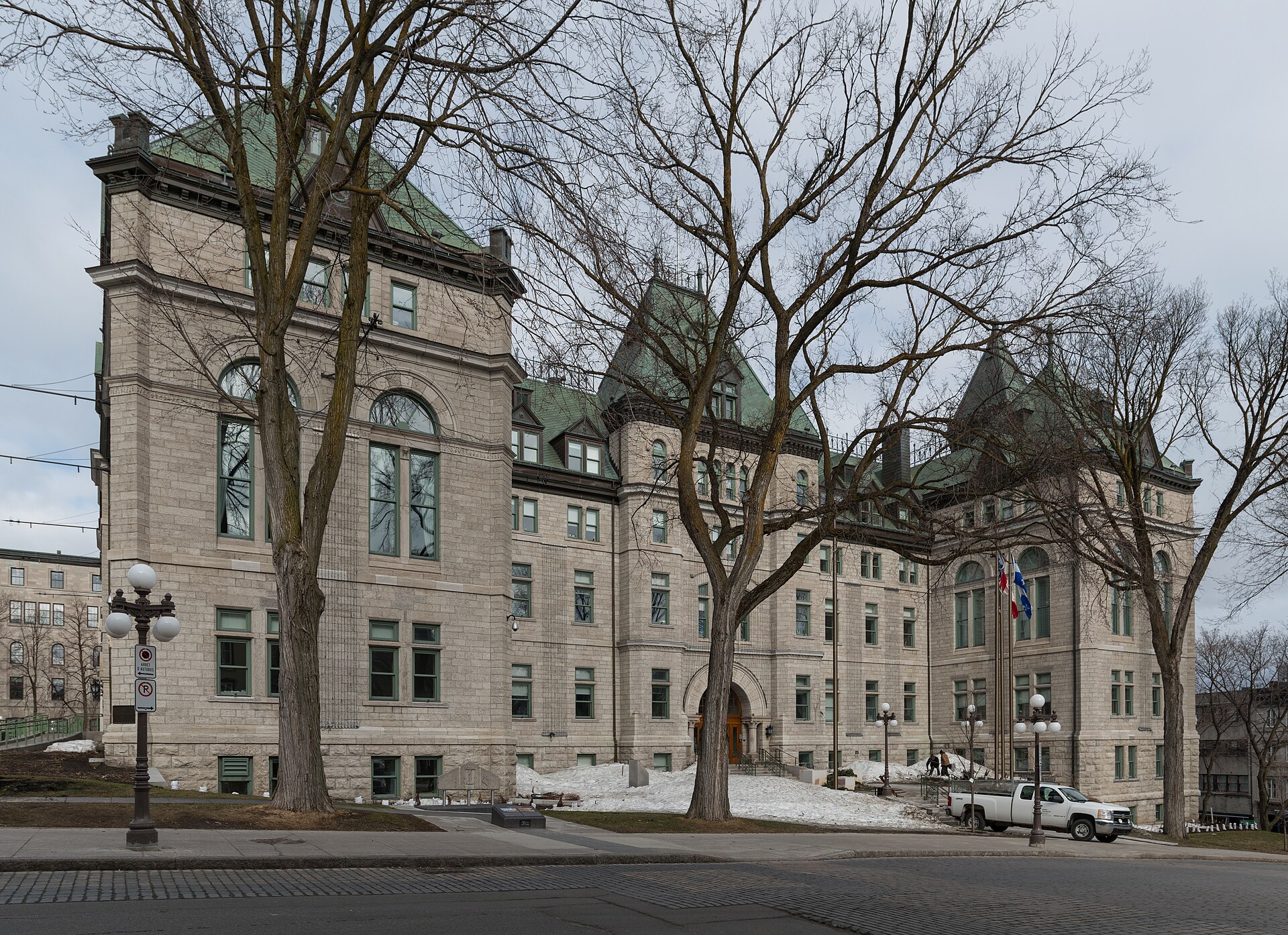
Quebec City says its 2021-2025 climate plan will end with $276.4 million in investments, including $175.6 million paid by the city, according to a final report presented to council’s committee of the whole on Nov. 18.
The city had planned on $100 million of municipal investment. In a French-language news release, it said it will instead have invested $175.6 million, which by our calculation is 75.6 per cent more than planned. It also said grants from its partners helped speed up the work.
The 56-page presentation given to councillors puts grants at $100.8 million, or about 36 per cent of the total. That includes $49 million from the Quebec government, awarded in 2022 and funded through the province’s green economy plan, which draws on the carbon market. The city must pay out what remains committed under that agreement by March 31, 2027.
The presentation also sets the $100-million target beside the full $276.4 million. The release compares it with the city’s own $175.6-million share, which leaves out grant money.
By category, the presentation assigns $103.3 million to decarbonization, $31.1 million to resilience, $11.2 million to the transition effort and $130.8 million to projects that serve all of those goals. It says the totals leave out some larger projects, including the Quebec City tramway, the development and operation of the àVélo bike-share service, and the construction and startup of the biomethanation plant.
The city says it rebuilt 403 street segments to be greener, safer and more people-friendly, about double its target of 200. It also reports planting 67,589 trees across its 35 neighbourhoods and carrying out 41 municipal projects to remove pavement and add greenery, plus funding 28 on private land.
“When we’re given the means, we’re able to deliver,” Marie-Josée Asselin, the executive committee vice-chair responsible for the environment, said in the release, translated from French.
On electric vehicle charging, the two documents describe the count differently. The release says the city installed 152 charging stations. The presentation says 207 charging ports in city parking lots have been installed or are planned, and that 152 ports were subsidized by the Quebec Environment Ministry.
The presentation reports other results against targets. Heating oil use in buildings was down 30 per cent as of 2023, beating a goal of 25 per cent. Investment in walking and cycling networks reached $49 per resident in 2024, above a target of $36, and the city had subsidized 171 climate projects by 2025, compared with a goal of 150.
It says work on municipal buildings cuts more than 1,000 tonnes of carbon dioxide equivalent a year. We found no citywide emissions result for the five-year period in the presentation, which says the city has since built emissions inventories, targets and reduction pathways. Elsewhere in Canada, a recent inventory showed Toronto-area emissions rising 8 per cent.
The city said a new climate plan for the Quebec City agglomeration is being prepared and will build on this one. At the provincial level, the government has pledged a road map to phase out fossil fuels.
If you find reporting like this useful, consider supporting Canada News Media, an independently owned Canadian newsroom.
Sources: Ville de Québec news release and final report on the 2021-2025 transition and climate action plan, both dated Nov. 18, 2026. Percentages comparing the city’s share and grants with the targets and total are Canada News Media calculations.
Follow Canada News Media
Get the day's top Canadian stories and our two daily 60-second news videos wherever you scroll.
X Threads Facebook Instagram LinkedIn TikTok YouTube Pinterest Reddit Substack Flipboard Newsletter RSS