


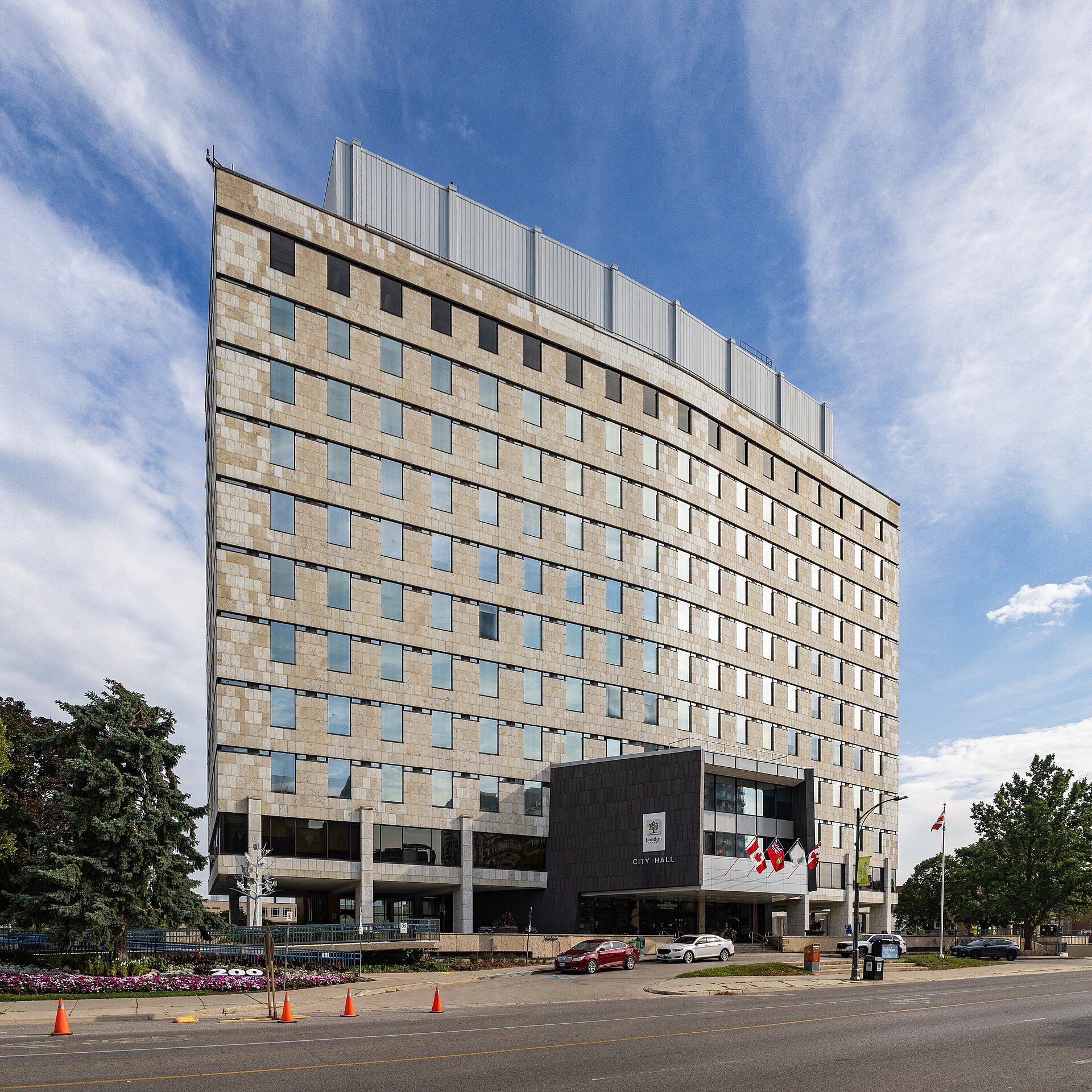
More people used homeless services in London, Ont., in 2025 than a year earlier, but the number experiencing chronic homelessness has edged down, according to a research update the city summarized online on Nov. 25.
The city says 4,708 people connected with homelessness services in 2025, up 6.8 per cent from 4,408 in 2024. People experiencing chronic homelessness numbered 2,284 in 2025-26, down about three per cent from 2,353 the year before.
Western University’s Centre for Research on Health Equity and Social Inclusion prepared the update for London’s Health and Homelessness Partnership. The city’s summary says the estimated number of people experiencing homelessness across Ontario rose 7.8 per cent from 2024 to 2025.
It also reports that coroner investigations recorded 213 deaths among people experiencing homelessness in London from January 2022 through June 2026. The yearly count fell each year from 2022 through 2025, but there were 26 deaths in the first six months of 2026, up from 16 in the same period of 2025.
Housing costs remain far above what social assistance provides for shelter. The average one-bedroom rent was $1,381 a month in late 2025, while a single person on Ontario Works could receive up to $390 a month in shelter allowance. By our calculation, that rent is about 3.5 times the allowance, a gap of $991 a month.
The overall rental vacancy rate rose to four per cent, but it stayed at 1.2 per cent for the most affordable units, the summary says. Nationally, federal data have shown newer rental buildings sitting emptier than average in most large metro areas.
As of September, London had 422 highly supportive housing units completed, in development or being planned, including 169 that were finished. The units combine a permanent home with health care and daily support on site.
At Indwell’s Thompson Road building, emergency department visits among 26 residents fell to 26 from 111 in the year after they moved in, compared with the year before. Hospital admissions fell to three from 16.
At House of Hope, participants had 97 per cent fewer emergency department visits and 84 per cent fewer police interactions at an 18-month follow-up, compared with the six months before they moved in. CBC News reported that House of Hope is preparing to close after its funding arrangement ends, and that bridge funding announced in July gives partners more time to find other housing for residents.
The summary also points to gaps in health care. Among people experiencing homelessness who used the London Health Sciences Centre emergency department, 38 per cent had a primary care provider, compared with 82 per cent of the general hospital population. They were also far more likely to return within a week, at 48 per cent compared with 12 per cent.
The city says reliable operating money is needed alongside capital spending, and that proposed investments in the federal budget could help create more supportive homes. That budget pledged $11.2 billion toward ending homelessness. Pressure on low-income households has also shown up elsewhere in Ontario, where the Ottawa Food Bank reported 591,686 visits.
If you find reporting like this useful, consider supporting Canada News Media, an independently owned Canadian newsroom.
Sources: City of London summary of the Health and Homelessness Partnership 2026 Research and Evaluation Update, and CBC News, Nov. 25, 2026. The rent comparison is a Canada News Media calculation. We relied on the city’s summary and did not review the full report.
Follow Canada News Media
Get the day's top Canadian stories and our two daily 60-second news videos wherever you scroll.
X Threads Facebook Instagram LinkedIn TikTok YouTube Pinterest Reddit Substack Flipboard Newsletter RSS