



Quebec has already recorded more food-law convictions this year than in all of 2025, and restaurants account for most of the increase, according to a Canada News Media count of the province’s conviction list.
The list shows 1,193 convictions under the Food Products Act with judgments dated from Jan. 1 to Nov. 16, and fines totalling $2,096,360. All of 2025 produced 1,108 convictions and $1,706,300 in fines.
For a like-for-like comparison, we counted only convictions judged between Jan. 1 and Nov. 16 of each year and published by Nov. 18 of that year. On that basis, convictions rose 26 per cent, to 1,193 from 947, and fines rose 38 per cent, to $2,096,360 from $1,521,100. Each row in the list is one conviction, and one business can have several. The 2026 rows cover 925 distinct combinations of operator name and address, up from 734.
These figures count court judgments, not the state of kitchens or stores today. Of this year’s 1,193 convictions, 785 are for offences dated 2025 and 164 for offences dated 2024. Only 238 are for offences from this year, and six are older. The midpoint between the offence date and the judgment was 294 days. The file does not say why convictions rose. It cannot show whether there were more violations, more inspections, more charges or faster court processing.
The province’s sector coding puts 224 of the 246 additional convictions in restaurants. Restaurant convictions rose 34 per cent, to 879 from 655, and restaurant fines rose 49 per cent, to $1,459,410 from $981,700.
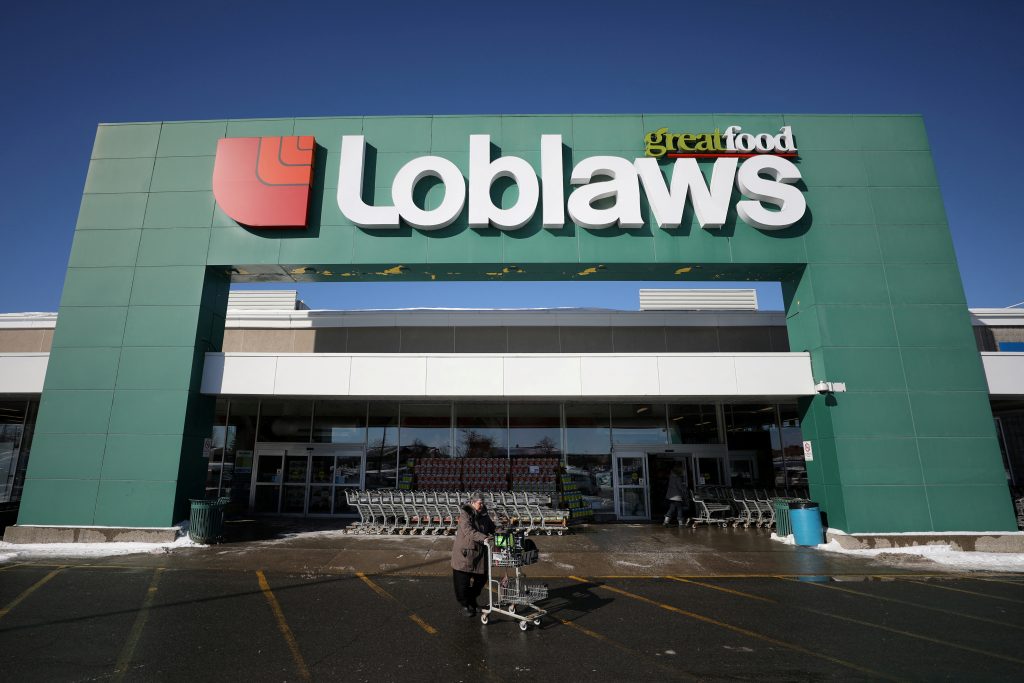
Food retail, a category that includes grocers, butchers, bakeries and large supermarkets, barely changed in number, with 218 convictions against 216. Retail fines rose 15 per cent, to $410,100 from $358,100.
This year’s 218 retail convictions involve 162 combinations of operator name and address, and 37 of them have more than one conviction. Fines ranged from $500 to $15,000, and the median was $1,000.
By section of the province’s food regulation, 68 of the retail convictions cite the rule that premises or vehicles must be free of contaminants, pollutants and animals, including insects, rodents and their droppings. The rule is broad, so that figure is not a count of pest cases. Another 58 cite temperature rules for perishable food and 35 cite the cleanliness rule for premises and equipment. The remaining 57 cite other provisions.
The increase appears in both groups of prosecutions identified in the file. Convictions listed under the Quebec Ministry of Agriculture, Fisheries and Food, known as MAPAQ, rose to 588 from 440. Those listed under the City of Montreal rose to 605 from 507. On Nov. 20, we reported on Montreal’s own conviction data. That is a separate file, and its totals do not match the Montreal rows in the provincial list, so the two should not be added together.
The province says on its conviction page that the list covers the past 24 months, uses information from the Justice Department and includes cases arising from Montreal inspections. It says there can be a delay between an offence and a conviction, and that consumers do not need to worry about their health because of it. According to the page, operators must make the corrections an inspector requests as soon as an infraction is found, and inspectors follow up. When there is an imminent health risk, an inspector can order an operator to stop for up to five days, a period that can be extended by 30 days.
Quebecers can filter the online list by municipality or business name. The province also posts a separate list of food businesses with suspended permits, and it takes complaints about unsanitary conditions and suspected food poisoning. A conviction can relate to a past operator. The data file notes some cases where the business has since stopped operating or changed hands.
How we checked: We downloaded the list of food establishment and animal welfare convictions from Données Québec on Nov. 25. It is published by MAPAQ under a CC BY 4.0 licence. The version we used had 2,915 rows. We kept only rows under the Food Products Act, which excludes animal welfare, animal health and other laws. We grouped them by judgment date, the file’s sector and prosecutor fields and the regulation section cited. Because the list is limited to 24 months, we did not compare full years before 2025. Entries can be added or removed after our download, and this year’s total can still grow as more judgments are posted. We did not review court files, and we did not name businesses because this story is about the overall pattern. We make no allegation beyond the convictions in the public record, so we did not request comment.
Follow Canada News Media
Get the day's top Canadian stories and our two daily 60-second news videos wherever you scroll.
X Threads Facebook Instagram LinkedIn TikTok YouTube Pinterest Reddit Substack Flipboard Newsletter RSS