

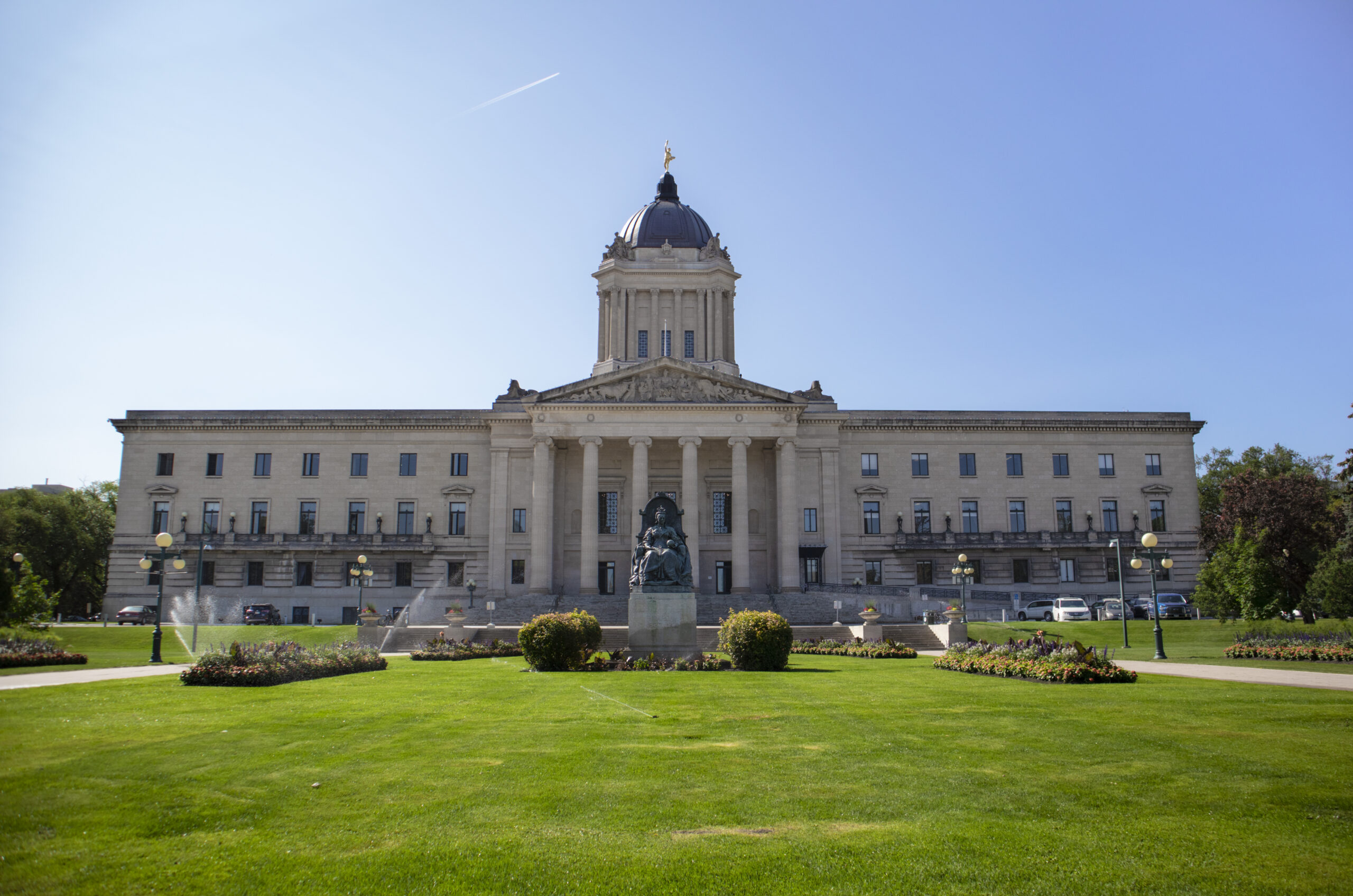
Manitoba’s rules against using a shopper’s personal data to charge that person more have been in force since July 1, and a close reading of the law shows its new price clauses are aimed at two kinds of sellers: online retailers and distributors, and stores that use electronic shelf labels.
A separate disclosure clause reaches further. The province’s consolidated Business Practices Act records that the changes, chapter 41 of the 2026 statutes, received royal assent June 1 and took effect July 1 under a proclamation published June 19. The government introduced them as Bill 49 on March 17, saying they would stop retailers from using consumers’ personal data to raise the price of goods for a specific consumer.
The law calls the practice personalized algorithmic pricing. It covers an algorithm or automated processing that sets, recommends or changes the price offered to a specific consumer because of data about that person, whether or not the person consented to or knew about the data’s use. The examples listed include browsing and purchase history, electronic devices, inferred willingness to buy, income level, pay period or financial assistance payment schedule, credit history, location including a delivery address, and medical history or health status. The Act’s definition of goods includes services.
Three new provisions deal directly with higher prices. One makes it an unfair business practice to demand a higher price at the point of sale because of personalized algorithmic pricing where part of the price is shown on an electronic shelf label. A second covers an online retailer or online distributor that uses the practice to increase the price demanded. A third treats it as unfair for an online seller, or a supplier using electronic shelf labels, to take advantage of a consumer by demanding a higher price than others are offered because of it.
None of those three provisions is written to cover a store that uses only paper price tags and does not sell online. That does not put such a store outside the law. The amendments also say the use of personalized algorithmic pricing is a material fact, and the Act already makes it an unfair business practice to fail to disclose a material fact about goods or a sale. That clause is not limited to online or electronic-label sellers. The Act’s general rule against conduct that might reasonably deceive or mislead a consumer also still applies.
The three price provisions speak of higher prices or increases. They do not name a personalized discount. We also found no wording in those three that lets a seller charge the higher price if the customer agrees. The amendments do spell out what express consent means for online sellers, requiring a prominent explanation and a clear action by the shopper, but that definition is tied to an older clause about charging materially more than an estimate.
Other changes matter if a case reaches court or an investigator. An unfair practice can occur through algorithms or artificial intelligence run by the supplier or a third party, even if no sale is completed. In weighing whether conduct took unfair advantage of a consumer, the Act normally lets the question of whether a price grossly exceeded what similar buyers could get be considered. The amendment removes that factor where personalized algorithmic pricing is used. For online sellers and stores with electronic labels, one factor to be considered is the extent to which the consumer has access to the data about them that the seller has.
The Act says no supplier shall commit an unfair business practice. A person convicted of contravening it faces a fine of up to $100,000, up to 12 months in jail, or both for a first offence, rising to $300,000, 36 months, or both for a later one. A corporation faces up to $300,000 for a first offence and $1 million for a later one. Directors and officers who authorized or permitted a corporation’s offence can also be convicted. Judges may order compensation to affected consumers. Separately, a consumer can sue, and a court can award damages, order money repaid and, unless the supplier took reasonable precautions and used due diligence, award punitive damages. Courts must consider whether the consumer made a reasonable effort to limit the harm and resolve the dispute first. Prosecutions must start within two years after evidence sufficient to justify one comes to the knowledge of the government official who administers the Act.
Ontario has a bill that copies much of Manitoba’s approach but is drafted differently. Bill 104, the Fair Grocery Prices Act, sponsored by MPP John Fraser, would make it an unfair practice to use personalized algorithmic pricing “to inform a change in price for an individual consumer.” Electronic shelf labels and online platforms appear as examples, without limiting that general rule to them, and the wording refers to a change in price, not only an increase. Its list of consumer data closely follows Manitoba’s. Despite its title, the operative wording we read is not limited to groceries. The legislature’s page showed the bill at first reading and ordered for second reading when we checked on Nov. 25. It is not law. If passed, it would generally take effect six months after royal assent, with a further condition for the part amending Ontario’s 2023 consumer protection law.
In Ottawa, NDP MP Jenny Kwan introduced Bill C-297 on Nov. 23. It would amend the federal Competition Act to address automated personalized pricing. It has had first reading only and is not law, and this story does not assess it. The federal privacy commissioner has separately said his office will issue guidance on surveillance pricing.
For Manitoba shoppers, the practical step is to keep evidence. If you think your data led to a higher price online or on an electronic shelf label, save screenshots, receipts, the time, and any explanation the seller gave, and raise it with the seller. Manitoba’s Consumer Protection Office handles consumer matters. A different price on its own does not show the law was broken, because prices can differ for reasons that have nothing to do with data about you.
How we checked: We read the chapter 41 amending statute and the Manitoba government’s unofficial consolidated version of the Business Practices Act, which was marked current to Nov. 23, 2026, including its proclamation record, offence section and court remedies. We read the government’s March 17 news release, the text and status of Ontario’s Bill 104 on the Legislative Assembly of Ontario’s site, and the federal LEGISinfo page for C-297, all on Nov. 25. The comparison is our reading of the wording and is not legal advice. No court ruling is cited, and we did not search for complaints, prosecutions or court cases under the new provisions. The definitions in Manitoba’s law are subject to regulations, and we did not review whether any regulation changes them. We looked only at the measures named here, not at every province or at the federal government’s privacy bill. This story makes no allegation against any business.
Related: Algorithmic pricing alone is not illegal, Bureau tells MPs
If you find reporting like this useful, consider supporting Canada News Media, an independently owned Canadian newsroom.
Follow Canada News Media
Get the day's top Canadian stories and our two daily 60-second news videos wherever you scroll.
X Threads Facebook Instagram LinkedIn TikTok YouTube Pinterest Reddit Substack Flipboard Newsletter RSS