


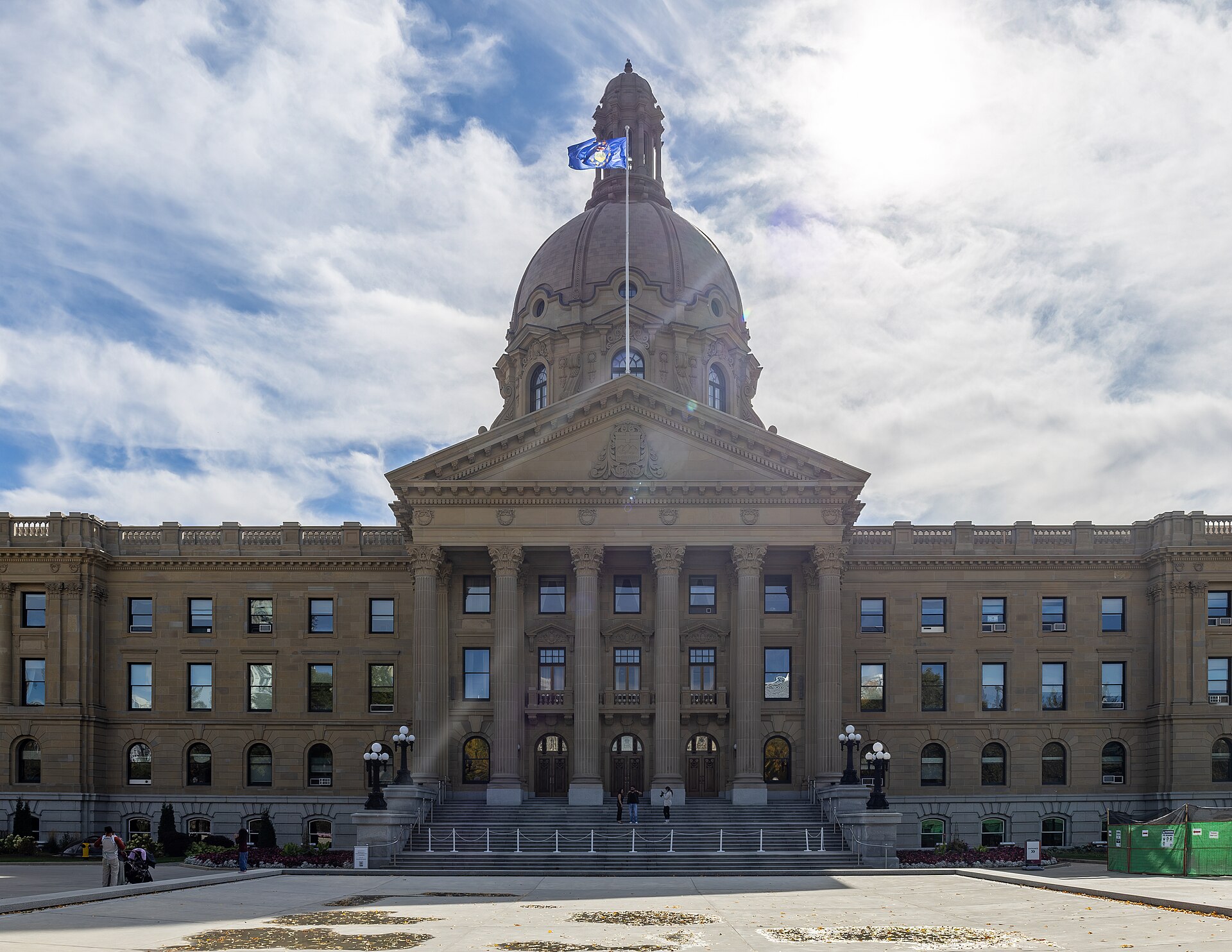
The Alberta government tabled legislation Tuesday that would stop the provincial public service and other public bodies from considering diversity, equity and inclusion in hiring decisions, CBC News reported.
Justice Minister Mickey Amery introduced the bill, the first of the legislature’s fall sitting, according to a government news release. It would bar provincial Crown corporations, publicly funded post-secondary institutions, school boards and municipalities from hiring employees based on “personal characteristics.”
“Hiring decisions should be about who is best qualified for the job, and these changes will help ensure that fairness is at the heart of hiring,” Premier Danielle Smith is quoted as saying in the release.
Bill 33, the Justice Statutes Amendment Act, 2026 (No. 2), would amend the Alberta Human Rights Act so employers could not consider protected characteristics such as gender identity, race, religion or disability in hiring and promotion. The government could grant exemptions through regulations. Provincial entities also could not require employees to take diversity, equity or inclusion training, and workplace training would have to be “ideologically neutral and focused on job-related duties and skills,” according to a government briefing note cited by CBC.
Officials said at a technical briefing that the bill would not stop post-secondary institutions from tailoring programs for particular students or reserving spots for those with unchangeable characteristics, such as training for Indigenous teachers, doctors or lawyers. Some private and non-profit organizations that receive government funding could also be covered, officials said, but the Alberta Human Rights Commission would decide which ones, and only after someone files a complaint. Global News also reported the plan to end DEI hiring in the public sector.
The same bill would rename and expand the Victims of Non-consensual Distribution of Intimate Images Act to cover sextortion, meaning threats to share intimate content to blackmail someone. It would include digitally altered material, including AI-generated deepfakes, and let victims sue anyone who shares or threatens to share such content without consent. The bill would create a provincial offence punishable by a fine of up to $10,000, up to two years in jail, or both. Officials said a provincial right to sue over threats to share intimate content would be the first of its kind in Canada.
The Education Act would also change so principals could discipline students who threaten to share another student’s intimate images, and the rules would cover sound, video and other media. The bill makes other changes, many affecting the legal profession, CBC reported.
The bill has not yet passed. It arrives as the legislature returns after the referendum vote, a session that has already seen UCP MLA Shane Getson quit the legislature and the province refuse to drop its appeal of a quashed separation petition.
If you find reporting like this useful, consider supporting Canada News Media, an independent Canadian newsroom with no corporate parent.
Follow Canada News Media
Get the day's top Canadian stories and our two daily 60-second news videos wherever you scroll.
X Threads Facebook Instagram LinkedIn TikTok YouTube Pinterest Reddit Substack Flipboard Newsletter RSS