

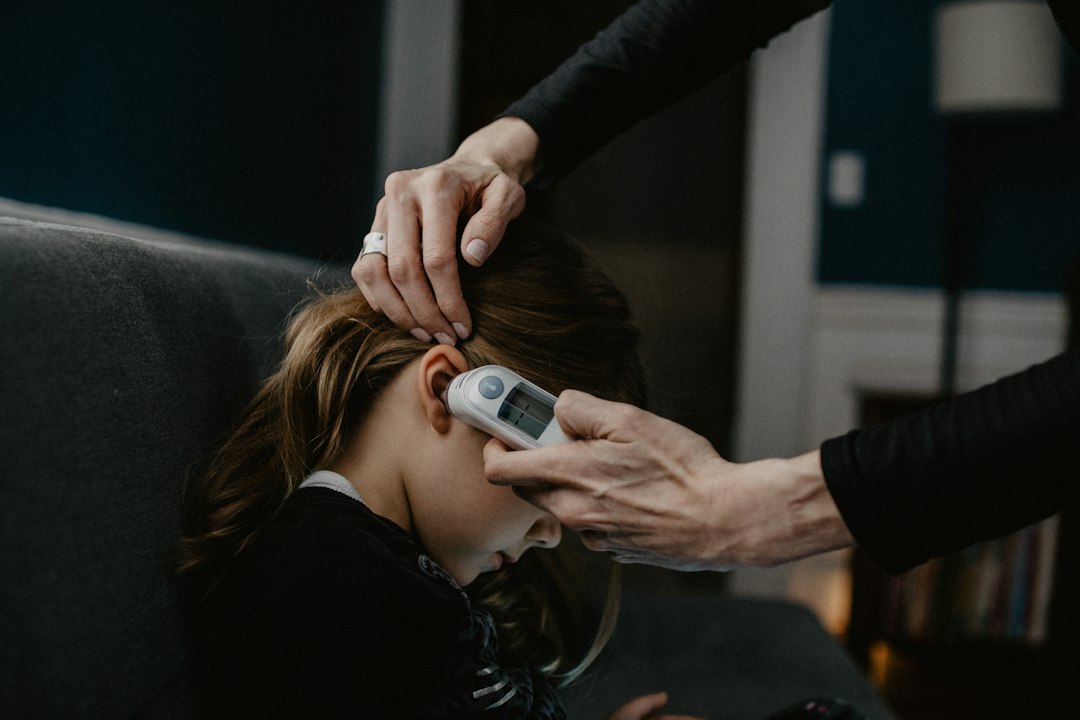
When a child has a stuffy nose and a nagging cough, the cold and flu aisle at the pharmacy can look like an easy fix. Health Canada’s guidance is clear that for young children, it is not. The department says non-prescription cough and cold medicines should never be given to children under the age of six, and it has said so for well over a decade. Here is what that rule covers, why it exists and what the labels are supposed to tell you.
The rule dates to 2009, when Health Canada required manufacturers to label these products as not for use in children under six. According to the department, such medicines had been used in this age group for years, but there was limited evidence that they worked. There were also reports of misuse, overdose and, rarely, serious side effects. In other words, the benefit was hard to show and the risks were real enough to change the labels.
Which ingredients are covered
Health Canada’s page on children’s medication lists the active ingredients that parents should not give to children under six. They are grouped by what they are meant to do:
- Antihistamines (for sneezing and a runny nose): brompheniramine, chlorpheniramine, dexbrompheniramine, diphenhydramine, doxylamine, promethazine and triprolidine.
- Cough suppressants: dextromethorphan and diphenhydramine.
- Expectorants (for loosening mucus): guaifenesin.
- Decongestants (for a blocked nose): phenylephrine and pseudoephedrine.
Diphenhydramine appears in two of those groups on the department’s list. That is one reason the ingredient list on the back of the box is worth reading, rather than relying on the name on the front.
What the label has to say
Health Canada’s labelling standard for non-prescription oral paediatric cough and cold products applies to products meant for children aged 6 to under 12. It requires the warning “Do not use this cough and cold product in children under 6 years of age.” The standard also requires several other statements on every product, including:
- Keep out of reach of children.
- Read the complete label before use and follow all instructions.
- Do not exceed the single or maximum daily dose, and do not use for longer than seven days.
- Do not give with other cough and cold medications unless a health care practitioner recommends it.
Products must also show the quantity of each medicinal ingredient, the type of ingredient, the single dose, the maximum daily dose and how many hours to leave between doses. Antihistamine, cough suppressant and decongestant products carry extra warnings specific to those types of ingredients. Liquid products labelled for ages 6 to under 12 must come with a measuring device, and the directions must say to use only the measuring device provided. Under the standard, the single dose is built around a 5.0 mL unit, and the device must accurately deliver that amount. The products must also come in child-resistant containers.
Why the measuring device matters
Health Canada’s separate page on safe use of medication for children advises families to read the label carefully so they know how much to give, how often and for how long. It also suggests asking for a measuring tool such as a calibrated oral syringe for liquid medications. The labelling standard’s requirement for a supplied device points in the same direction: the amount on the label is meant to be measured with the tool in the box, not guessed.
Combining products
The labelling standard says not to give these products with other cough and cold medications unless a health care practitioner recommends it. The safe use page also asks parents to tell their health professional about every other medicine the child takes. That includes prescription drugs, over-the-counter products and natural health products, so that the professional can say whether they should be combined.
If something goes wrong
Health Canada says that in the case of an accidental overdose, you should contact your poison control centre. The page also recommends asking your health professional about any change in how a medication looks, tastes or feels each time a prescription is filled.
The short version
For children under six, Health Canada’s position is simple: these non-prescription cough and cold medicines should not be used. For children aged 6 to 11, the labelling rules are designed to give parents the information they need, including limits on dose and duration and a proper measuring device. In either case, the department’s advice to check the label first, so you know the medication suits your child, is a good habit to keep as the cold and flu season gets going.
This article is based on official guidance from Health Canada and is provided for general public information. It’s not a substitute for medical advice, if you have questions about how this applies to you, talk to your doctor or pharmacist.
If you find reporting like this useful, consider supporting Canada News Media, an independent Canadian newsroom with no corporate parent.
Sources: Health Canada, Concerns about children’s medication; Health Canada, Guidance Document: Nonprescription Oral Paediatric Cough and Cold Labelling Standard; Health Canada, Safe use of medication for children.
Follow Canada News Media
Get the day's top Canadian stories and our two daily 60-second news videos wherever you scroll.
X Threads Facebook Instagram LinkedIn TikTok YouTube Pinterest Reddit Substack Flipboard Newsletter RSS