

Since July 2, 2026, Albertans renewing a driver’s licence have received something no other Canadian has: a single card carrying their photo, their personal health number, and — for citizens — a mandatory “CAN” citizenship marker. Two months into the rollout, Alberta’s Official Opposition renewed its call this week for the province to reconsider the policy, arguing it creates unnecessary barriers for residents. But the more pressing question raised months before launch, by Alberta’s own privacy watchdog, has gone largely unanswered: has consolidating this much personal data onto one plastic card actually made anyone less safe?
A Warning From Alberta’s Own Privacy Commissioner
Before the cards ever reached a wallet, Alberta Information and Privacy Commissioner Diane McLeod flagged the redesign as a fraud risk. She told CBC News that combining a health number with a citizenship marker and standard licence data “creates a risk that now we have more information in one place that could be subject to snooping or hacks,” noting that personal health numbers are “a sought-after commodity on the dark web” precisely because Canada’s health system is publicly funded. McLeod’s office also pointed out a structural gap: Alberta’s Registrar of Motor Vehicles, which issues the cards, is not itself subject to the province’s privacy legislation — meaning the body handling this newly merged data sits outside the oversight that would normally apply to it.
Two months after the first cards went out, neither the province nor the Registrar has published any data on attempted misuse, breach incidents, or whether McLeod’s recommendations — including bringing the Registrar under privacy law — have been adopted. That gap is the story the rollout coverage and this week’s political dust-up both skipped past.
Why Alberta Is Alone in Canada
No other province combines a citizenship marker with health data on a driver’s licence, which is what made Alberta the first jurisdiction in the country to do either. Ontario, British Columbia and Quebec all keep health cards and driver’s licences as separate documents, partly because merging identity systems raises exactly the oversight questions McLeod’s office is now raising. The closest parallel is the long-running debate in the United States over REAL ID, where similar consolidation of identity data drew years of scrutiny from privacy advocates before wide adoption. Alberta’s move compresses that debate into a single provincial policy rolled out over a matter of months, with the oversight questions arriving after implementation rather than before.
The Friction Falls Hardest on Newcomers
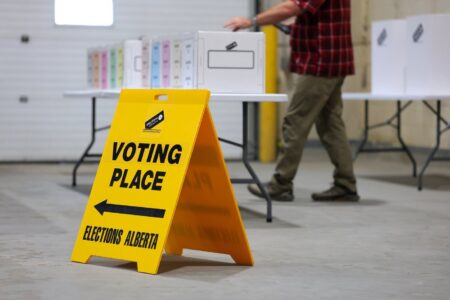
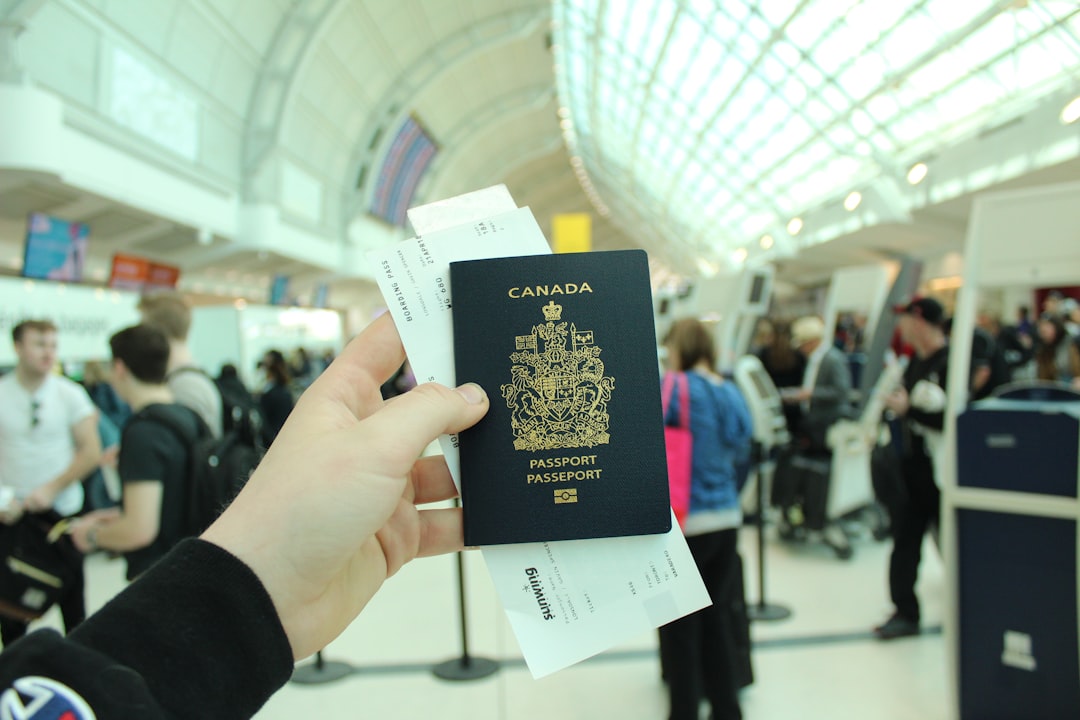
Permanent residents and other non-citizens see no marker on their card, but they — along with citizens who lack a passport — are the ones who most often hit friction at renewal, since proving citizenship or immigration status now requires supplementary documents like a birth certificate that many Albertans have not needed in years. NDP shadow minister Gurinder Brar has argued the government has yet to name a single Alberta service that is restricted to citizens only, apart from voting, which leaves the practical burden of the new requirement falling on exactly the people least equipped to absorb it.
The Unanswered Question
Two months in, Alberta has neither a public accounting of fraud incidents tied to the new cards nor confirmation that the Registrar of Motor Vehicles has been brought under the province’s privacy oversight regime. Until one of those things happens, the debate over citizenship markers is likely to keep circling the same political talking points while the security question that started it goes unresolved.
via CBC News and Global News
Follow Canada News Media
Get the day's top Canadian stories and our two daily 60-second news videos wherever you scroll.