


At least 30 people were killed Wednesday when two high-speed trains collided near Urda, in Spain’s Toledo province, regional officials said, in the country’s second deadly high-speed rail crash this year.
The death toll is expected to rise. Castilla-La Mancha regional government spokeswoman Esther Padilla said the crash happened on the high-speed line between Madrid and Seville, south of the capital. Some outlets reported a higher figure and the exact toll has not been confirmed, so the number is preliminary.
Al Jazeera reported that a train run by state operator Renfe, travelling from Madrid to Seville with 397 passengers aboard, struck the rear of a stationary train run by private operator Iryo, which carried 147 passengers. Two carriages derailed, and two Iryo carriages reportedly fell down an embankment. The cause was not immediately clear.
Early reports put the number of injured at around 100, though the regional government did not release an official figure when it first confirmed injuries. Spain’s health minister, Monica Garcia, said rescuers were concentrating on finding survivors and recovering bodies in the two most badly damaged cars.
Madrid Mayor Jose Luis Martinez-Almeida said the city was sending medical teams and firefighters to the scene. Spain’s Civil Guard sent a disaster investigation team.
Spain’s rail infrastructure manager, ADIF, suspended high-speed services between the Madrid region and Andalusia while emergency crews worked at the site. Travellers booked on the corridor should check with Renfe and Iryo for cancellations and alternatives.
Prime Minister Pedro Sanchez expressed shock and solidarity with the victims. European Commission President Ursula von der Leyen and French President Emmanuel Macron also offered condolences.
The collision comes nine months after a high-speed derailment near Adamuz, in southern Spain, in January. International media reported that more than 40 people died in that crash, which led to a national period of mourning. News organizations have reported different figures for the January toll, ranging from 41 to 45.
No Canadians have been reported among the dead or injured. Global Affairs Canada did not immediately comment. Canadians with family or friends travelling in Spain can contact the department’s emergency watch and response centre, and travellers can check current advice on the federal government’s travel advisory page for Spain.
Spain’s high-speed network is one of the largest in the world and is popular with Canadian visitors travelling between Madrid, Andalusia and Barcelona. Air Canada has also been expanding its Spanish flying, with new service to Tenerife, as we reported on Oct. 25.
The crash was among the trending searches in Canada on Wednesday morning, according to Google Trends, as French-language outlets such as La Presse reported at least 31 dead.
Canada News Media will update this story as officials confirm the toll and the cause.
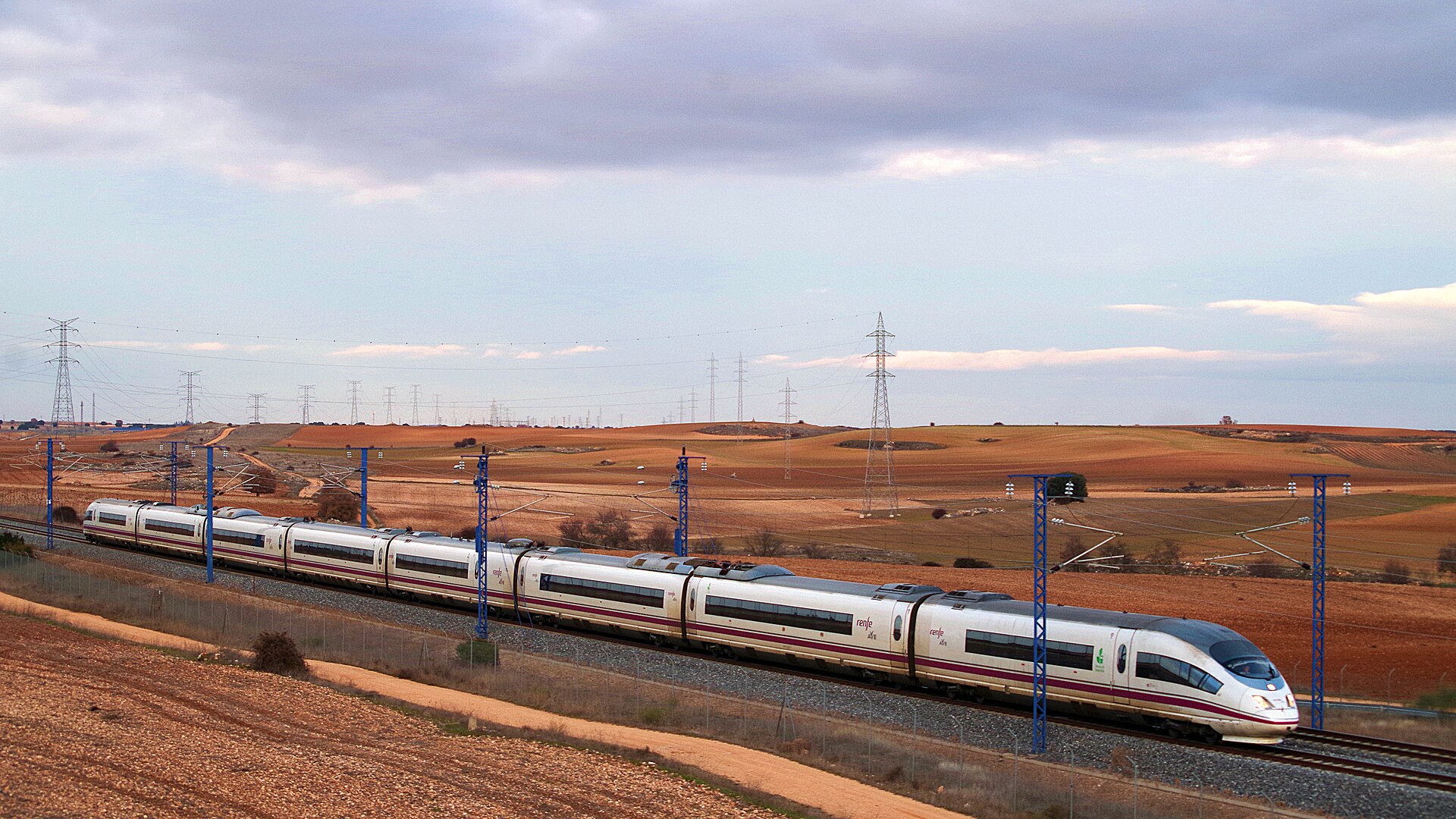
Sources: Al Jazeera, La Presse, CNN, NPR, ABC News (Australia) and CNBC reports, Oct. 28, 2026. Photo: file photo of a Renfe AVE train, not from the crash.
If you find reporting like this useful, consider supporting Canada News Media, an independent Canadian newsroom with no corporate parent.
Follow Canada News Media
Get the day's top Canadian stories and our two daily 60-second news videos wherever you scroll.
X Threads Facebook Instagram LinkedIn TikTok YouTube Pinterest Reddit Substack Flipboard Newsletter RSS