


Several First Nations in British Columbia have gone to court to challenge Ottawa’s decision to designate the proposed Pacific Link oil pipeline a project of national interest, a move that fast-tracks its federal review.
The Tsartlip First Nation on Vancouver Island said it has filed a Federal Court application for judicial review, arguing the federal government has not provided enough information about the project and its potential effects. The St’at’imc Chiefs Council, which represents nine nations along the proposed route in B.C.’s Interior and Fraser Valley, said it has also started legal action to have the designation overturned.
The council said approving the project without a full assessment of the risks to salmon and fishing rights, and without deep consultation to secure the consent of every affected nation, is unacceptable and unlawful. The Tsartlip application asks the court to confirm that Ottawa must “meaningfully consult” the nation before deciding whether the pipeline serves the national interest, The Canadian Press reported.
Pacific Link was the first project to receive the designation under the Building Canada Act, announced last month by Prime Minister Mark Carney and Alberta Premier Danielle Smith. The designation sends the project through a streamlined review run by the federal major projects office.
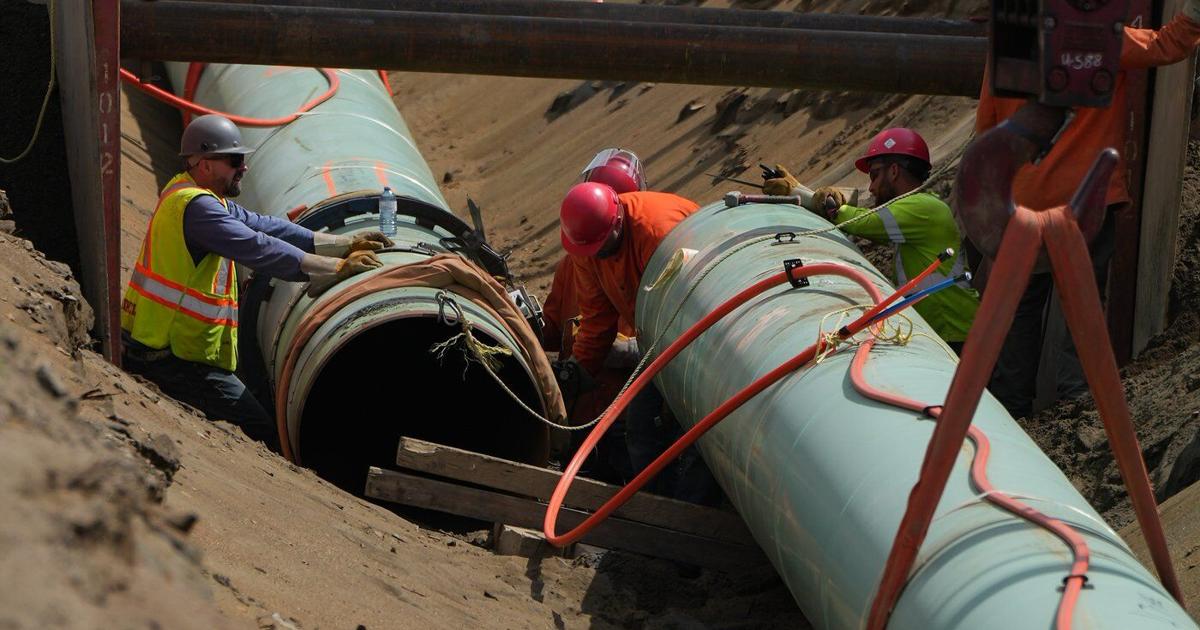
The proposal is for a new pipeline that largely follows the route of the existing Trans Mountain line to an export terminal in Metro Vancouver. Its estimated cost is between $35.2 billion and $42.7 billion, and it is not expected to be finished until 2032.
Tsartlip spokesman Adam Olsen, a former B.C. Green legislator, called the fast-tracked process “reckless” and said the consultation and decision took less than three months. He pointed to last week’s addition of the Port of Vancouver’s Roberts Bank Terminal 2 expansion to the national-interest list and warned that the way this decision is made will shape those that follow.
The challenges add to concerns raised earlier about the consultation process. Métis leaders from Wood Buffalo said Ottawa left them out of Pacific Link talks, and the major projects CEO has heard from B.C. chiefs on the same issue.
For Albertans, the pipeline matters because it would add export capacity at a time when heavy oil is selling at a steep discount. The gap between West Texas Intermediate and Western Canada Select has topped US$31, well above its usual spread. The pipeline is also tied to the Pathways carbon storage project, a condition of the federal-Alberta energy accord, and the political fight over tanker traffic on the coast continues, as seen when Liberals defeated a Conservative bill to repeal the tanker ban.
If you find reporting like this useful, consider supporting Canada News Media, an independent Canadian newsroom with no corporate parent.
Follow Canada News Media
Get the day's top Canadian stories and our two daily 60-second news videos wherever you scroll.
X Threads Facebook Instagram LinkedIn TikTok YouTube Pinterest Reddit Substack Flipboard Newsletter RSS