




Canada’s ban on foreign purchases of residential property expires Jan. 1, 2027, and with roughly three months left on the clock, the federal government has not said publicly whether it will extend the prohibition, let it lapse or replace it with something narrower.
The Prohibition on the Purchase of Residential Property by Non-Canadians Act took effect Jan. 1, 2023, and was extended by two years in February 2024, pushing its expiry from the end of 2024 to the start of 2027, according to the Canada Mortgage and Housing Corporation (CMHC) and a July 2026 analysis by the national law firm Borden Ladner Gervais (BLG). The act bars non-citizens, non-permanent residents and foreign commercial entities from buying residential properties of up to three dwelling units inside Canada’s larger cities and towns, with exemptions for vacant land, redevelopment projects, publicly traded real estate investment trusts and some temporary residents, according to CMHC’s official guidance on the act.

Housing Minister Gregor Robertson has pointed to Australia’s foreign investment framework, which permits non-resident purchases of new construction and vacant land while continuing to bar purchases of existing homes, as “a model of interest for Canada,” according to Bloomberg’s reporting on internal government deliberations, cited in BLG’s analysis. Robertson has also said offshore capital has a role to play in closing Canada’s housing supply gap, the same analysis said. Neither Robertson’s office nor CMHC has announced a final decision.
The case for revisiting the ban isn’t about the price effect economists have documented. Foreign buyers accounted for just 1.1 per cent of home sales in British Columbia in 2021, down from three per cent in 2017, according to data cited in BLG’s analysis, a province that led Canada into foreign buyer restrictions years before the federal ban existed. Royal LePage concluded in a 2024 report, also cited by BLG, that the federal ban had “virtually no impact” on home prices nationally, a finding consistent with how small a share of sales foreign buyers represented even before the prohibition took effect.
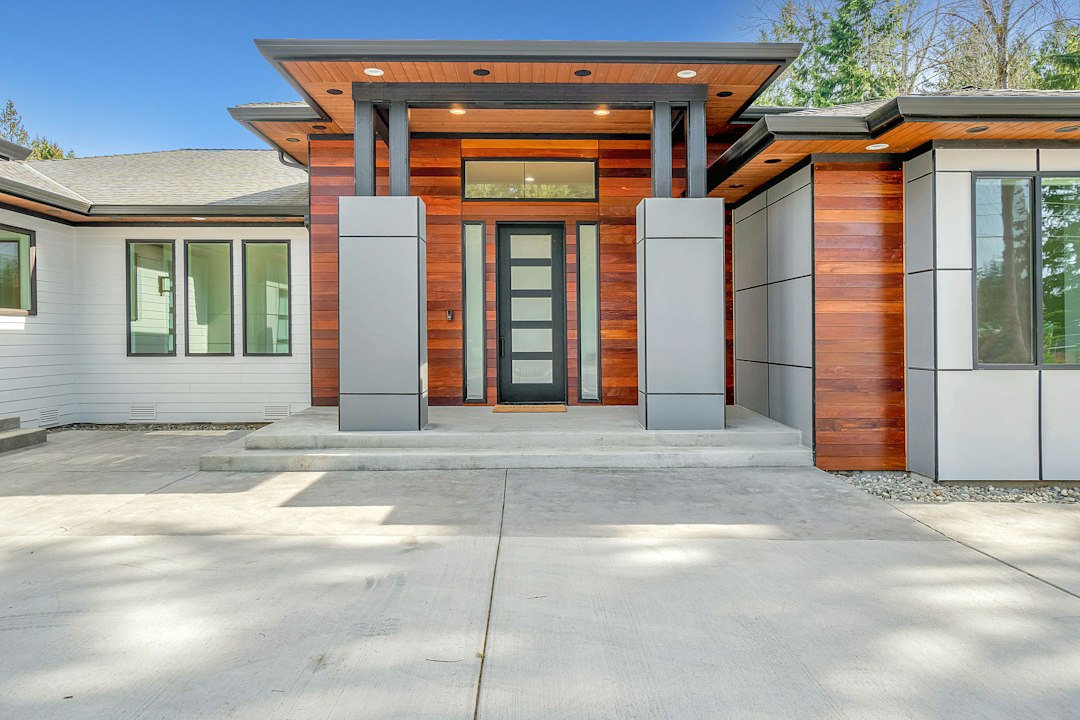
Instead, the pressure to loosen the rules is coming from homebuilders. A coalition called the Large Urban Centre Alliance, whose members include Mattamy Homes, Minto Group, Great Gulf and RioCan REIT, wrote to Ottawa arguing the ban has choked off pre-construction financing for new projects, according to a letter reported by the Globe and Mail. The letter said roughly 75,000 rental units already under construction remain ineligible for a separate GST rebate because their construction began before the government’s September 2023 cutoff, the Globe and Mail reported. Mike Moffatt, founding director of the University of Ottawa’s Missing Middle Initiative, has separately called for the ban to be relaxed specifically for preconstruction condos and houses, the same report said.
The debate is unfolding against a supply shortfall CMHC itself has sized. CMHC’s Fall 2026 Housing Supply Report found Canada needs 417,000 to 469,000 housing starts annually to restore 2019-level housing affordability by 2036, a pace the country is not currently on track to hit nationally, according to the report as covered by the real estate publication Storeys. A tiered exemption modelled on Australia’s rules would let foreign capital fund new supply directly, the approach Robertson has flagged as under review, rather than compete with Canadian buyers for existing homes.

If Ottawa takes no action, the ban lapses automatically on Jan. 1, 2027, and non-Canadians would once again be free to buy existing homes in Canadian cities without restriction, reverting to the rules in place before 2023. With fewer than 100 days left before that deadline, real estate lawyers and homebuilders alike say they are still waiting for Ottawa to say which way it will go.
Details on the current ban, its exemptions and enforcement are available from the Canada Mortgage and Housing Corporation at cmhc-schl.gc.ca.
Follow Canada News Media
Get the day's top Canadian stories and our two daily 60-second news videos wherever you scroll.
X Threads Facebook Instagram LinkedIn TikTok YouTube Pinterest Reddit Substack Flipboard Newsletter RSS