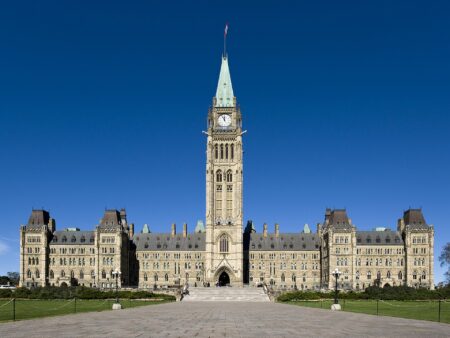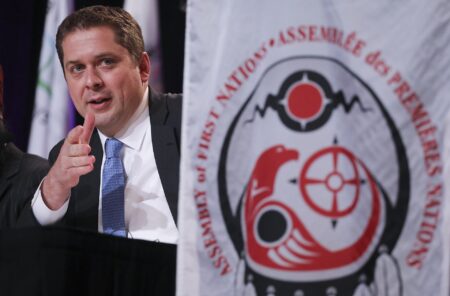


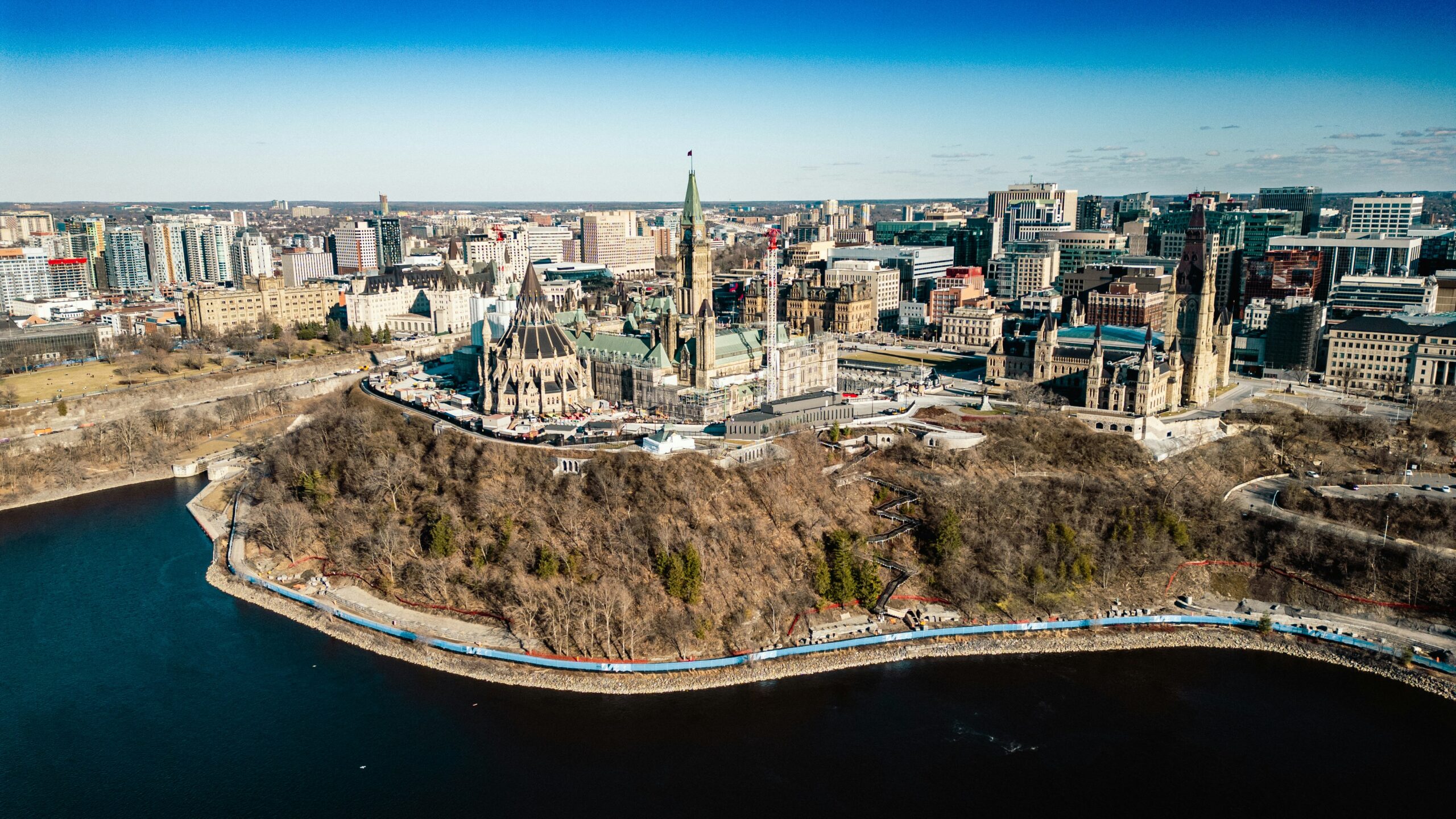
Prime Minister Mark Carney will host Canada’s first-ever First Ministers Meeting dedicated exclusively to First Nations issues on Oct. 26 in Ottawa, sitting down with 13 premiers and territorial leaders and a delegation of First Nations representatives led by Assembly of First Nations National Chief Cindy Woodhouse Nepinak, according to a report by CP24 published Thursday.
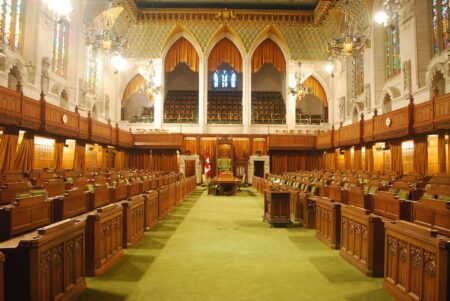
The main meeting room will seat 28 people at the table: Carney, the premiers and territorial leaders, and 13 First Nations representatives, most of them AFN regional chiefs, CP24 reported. A further 44 First Nations leaders, including youth representatives and delegates from Treaty 6, 7 and 8, are invited outside the main table. A ceremonial day is planned for Oct. 25, ahead of the formal session.
Woodhouse Nepinak called the gathering a “big test” of whether Canada can pursue economic growth without setting aside First Nations rights, a framing that points to the tension sitting at the centre of the agenda.
According to a July 22 press release from the Assembly of First Nations, chiefs asked Ottawa to use the October meeting to discuss fast-tracking legislation, pipeline development and major project approvals, the same issues that have driven friction between Ottawa and First Nations since Parliament passed the Building Canada Act, the government’s “national interest” projects law, last year. But the AFN’s own account of that request pairs it with a second, less-reported ask: stronger environmental oversight and protections for Free, Prior and Informed Consent, the international standard requiring Indigenous communities sign off on projects affecting their land before they go ahead.
That pairing is the detail that gets lost when this story runs as a scheduling update. First Nations leaders are not simply asking Ottawa to speed up or slow down development, they are asking for faster project timelines and a stronger say over which projects proceed, two goals that have proven difficult to reconcile in practice. Canadanewsmedia.ca reported last week on the backlash facing Trans Mountain’s offer of 15 per cent collective equity to Indigenous groups along its pipeline route, where leaders argued the stake fell well short of an earlier proposal for up to full Indigenous ownership. The Oct. 26 meeting is where that same argument, over how much control First Nations get in resource decisions rather than just a financial share of them, moves from individual project disputes onto a first ministers’ agenda.
The gathering also marks a shift in format, not just substance. Federal-provincial First Ministers Meetings have historically left Indigenous leaders off the table entirely, treating consultation with First Nations as a separate process handled after the fact. Ottawa has said the Oct. 26 session will be livestreamed, though it has not said whether the feed will be open to the public or restricted to accredited media.
Whether the meeting produces firm commitments or another round of statements will not be clear until the day itself. What is measurable now is the scale of what has already been promised: an unprecedented seat count for First Nations leaders at a first ministers’ table, and a written request, in the chiefs’ own words, for consent protections to accompany any acceleration of pipeline and major project approvals. In the weeks before Oct. 26, the clearest sign of how seriously Ottawa is taking that pairing will be whether the federal government or the provinces respond publicly to it, since it separates a faster yes on development from a fairer one.
This report draws on reporting via CP24/The Canadian Press (original story) and a July 22, 2026 press release from the Assembly of First Nations.
Follow Canada News Media
Get the day's top Canadian stories and our two daily 60-second news videos wherever you scroll.
X Threads Facebook Instagram LinkedIn TikTok YouTube Pinterest Reddit Substack Flipboard Newsletter RSS