



Breaking News:
- Brazil’s real falls 12%, stocks halted after Lula win
- Whitehorse living wage rises to $32.43 an hour, report finds
- Canadiens’ Fowler named NHL’s third star of the week
- Sarnia mayor objects to U.S. surveillance drones on lakes
- Parks Canada ends search and rescue dog program
- Ottawa to widen First Nations lending, fund $260M job plan
- Black people 11% of federal prisoners, CSC data shows
- U.S., Canada work on deal to ease steel, auto tariffs


Browsing: DIY & How-To
Step-by-step practical guides for Canadian homeowners, gardeners, and families.

The Government of Canada recommends a full sump pump test once a year. Here is how Canadian homeowners check the pit, float, check valve and backup pump.

Carrots keep 16 to 20 weeks and parsnips up to 26 weeks at just above 0 C. Here is how Canadian gardeners store the fall harvest without a root cellar.

Service your snowblower in September, not after the first storm. A step-by-step pre-season tune-up for Canadian homeowners: fuel, oil, plugs, belts, pins.

Across most of Canada the fall overseeding window runs from late August to about mid-September, and seed needs roughly 45 days of growing weather before hard frost. A step-by-step guide to timing, seed selection, soil contact, seeding rates and watering.

Canadian gardeners have from late August through October to winterize: divide perennials, clear spent annuals, lift tender bulbs, and mulch 5 inches deep before the first hard frost. University of Saskatchewan horticulture experts say cleanup should start in late August.
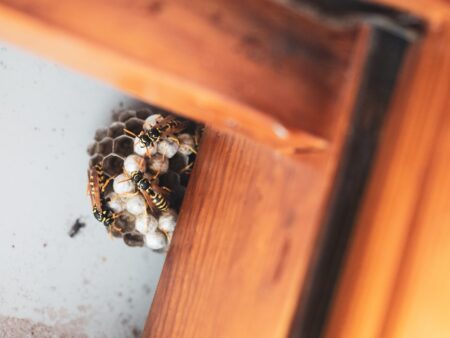
Wasp colonies peak in August across Canada. Here’s how to safely remove a small, accessible nest yourself, and when to call a licensed pest control pro instead.

Fill driveway cracks while daytime highs are still above 10 C. After the first frost, the filler will not bond and winter freeze-thaw widens the gap.
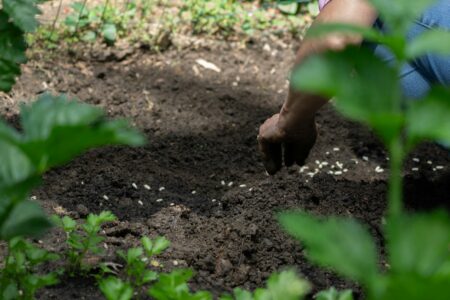
Dahlia tubers won’t survive a Canadian winter outdoors. Here’s how to dig, cure, pack and store them after the first hard frost so they bloom again.

Health Canada says mice can squeeze through a crack the size of a dime, so mouse-proofing a Canadian home means sealing every exterior opening at least that big, packing steel wool or copper mesh around pipes before caulking, then removing the food, water and nesting material that draw rodents in. Traps come second, set at right angles to the wall and baited but unset for three to four days first. Poison is a last resort: Health Canada says baits should never be the only method of control. Never sweep or vacuum dry droppings, soak them in one part bleach to nine parts water instead, because the deer mouse is Canada’s most common carrier of hantavirus.

Transport Canada says every vehicle should carry a winter emergency kit from roughly October to April. At minimum it holds a first aid kit, a shovel, traction material such as sand or cat litter, booster cables, windshield washer fluid, an ice scraper, a flashlight, warm layers and blankets, non-perishable food and water, and road flares or a reflective vest. CAA advises against using road salt as an abrasive because it can rust the vehicle, and recommends a crank-type flashlight since batteries fail in extreme cold.