


Breaking News:
- Senior officials’ travel hits $25.7M as Defence leads
- How to descale a kettle in Canada
- TSX edges up after three-day slide as U.S. stocks climb
- Ministers’ travel up 16% as foreign trip costs jump
- Border food fines: travellers lost 78 of 79 tribunal appeals
- Business breaches reported to privacy watchdog hit 20.3M Canadians
- Cyber Centre security warnings hit a record in 2026
- Uninsured loans now three-quarters of bank mortgages


Browsing: DIY & How-To
Step-by-step practical guides for Canadian homeowners, gardeners, and families.

Closing a cottage for winter comes down to getting every drop of water out of the plumbing. Here is the full step-by-step checklist, plus the jobs to leave to a pro.

Empty and dry your humidifier daily and scrub it every third day. Health Canada and the U.S. EPA say dirty tanks can send bacteria and mould into the air.

Health Canada says one in five Canadian homes has a high radon level. Here is how to run a valid 91-day test this heating season, step by step.

The Government of Canada recommends a full sump pump test once a year. Here is how Canadian homeowners check the pit, float, check valve and backup pump.

Carrots keep 16 to 20 weeks and parsnips up to 26 weeks at just above 0 C. Here is how Canadian gardeners store the fall harvest without a root cellar.
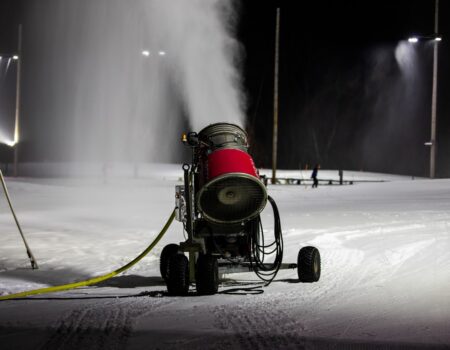
Service your snowblower in September, not after the first storm. A step-by-step pre-season tune-up for Canadian homeowners: fuel, oil, plugs, belts, pins.

Across most of Canada the fall overseeding window runs from late August to about mid-September, and seed needs roughly 45 days of growing weather before hard frost. A step-by-step guide to timing, seed selection, soil contact, seeding rates and watering.

Canadian gardeners have from late August through October to winterize: divide perennials, clear spent annuals, lift tender bulbs, and mulch 5 inches deep before the first hard frost. University of Saskatchewan horticulture experts say cleanup should start in late August.
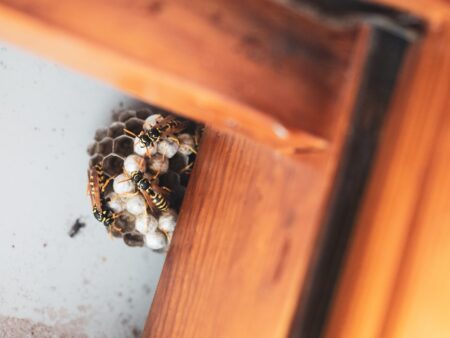
Wasp colonies peak in August across Canada. Here’s how to safely remove a small, accessible nest yourself, and when to call a licensed pest control pro instead.

Fill driveway cracks while daytime highs are still above 10 C. After the first frost, the filler will not bond and winter freeze-thaw widens the gap.