


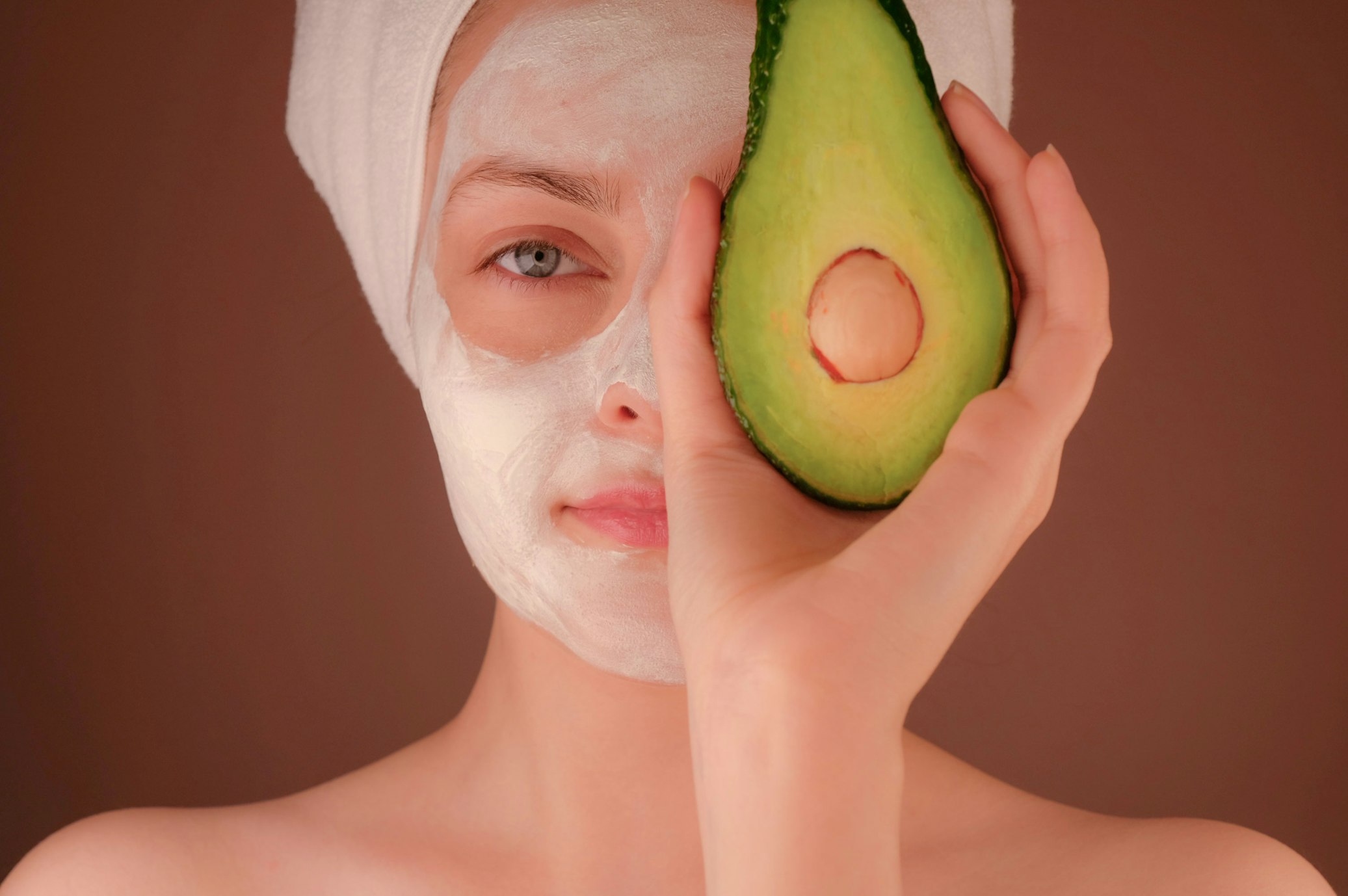
A chemical peel can significantly improve skin texture and appearance, but proper aftercare is essential to ensure the best outcome. From the moment you leave the clinic, your skin needs careful attention to maximize the benefits of the treatment. Knowing how to care for your skin can make a significant difference in recovery time and comfort level. If you’re considering a chemical peel in Vancouver, this guide provides essential insights into managing post-treatment effects, taking into account Vancouver’s often humid and rainy climate, which can influence skin hydration levels.
Immediate aftercare for the first day
The first day following your chemical peel requires immediate attention to prevent irritation and discomfort. Start by avoiding direct sunlight as much as possible; UV rays can exacerbate sensitivity and slow down healing. Apply a broad-spectrum sunscreen with an SPF of at least 30 whenever exposure is unavoidable, even if you are indoors near windows. Use gentle cleansers to wash your face, avoiding any products that contain harsh chemicals or fragrances.
Moisturizing is critical during this initial period. Choose a moisturizer that is specifically designed for sensitive skin and apply it liberally throughout the day. This will help maintain hydration and create a protective barrier over your newly exfoliated skin. Stay hydrated by drinking plenty of water; this supports overall skin health and helps flush out toxins.
It’s also important to resist the urge to touch or scratch your face, even if it feels itchy or irritated. Your hands carry oils and bacteria that can aggravate sensitive skin, potentially leading to infection or prolonged redness. Emphasize a gentle approach in all skincare steps to foster a soothing recovery environment.
Managing dryness and tightness on days two and three
As you progress into days two and three, dryness and tightness may become more pronounced. This is normal as the skin begins to renew itself after the peel. Continue using a gentle cleanser without exfoliating agents, as mechanical exfoliation can irritate your already sensitive skin. Regular moisturizing remains a priority; consider using products with hyaluronic acid for added hydration.
Avoid hot showers or baths, as heat can further dehydrate your skin and exacerbate tightness. Instead, opt for lukewarm water when cleansing your face or showering. During these days, patience is key; the natural peeling process means that old skin cells are being shed to reveal fresh layers underneath.
If dryness becomes uncomfortable, applying a hydrating mask specifically designed for post-peel care can provide relief. These masks often contain ingredients like aloe vera or chamomile, known for their soothing properties. Remember to follow up with your regular moisturizer to lock in hydration after removing any mask product.
Addressing redness and flaking on days four and five
By days four and five, you might notice an increase in redness and flaking as part of the healing process. While it might be tempting to pick at peeling skin, it’s vital to avoid doing so to prevent scarring or discoloration. Instead, continue with your gentle skincare routine and allow the natural peeling process to proceed without interference.
Consider incorporating products with calming ingredients such as niacinamide or calendula extract into your regimen; these can help reduce redness while promoting healing. It’s also beneficial during this phase to introduce red light therapy in Vancouver into your skincare routine if available; this non-invasive treatment can enhance recovery by stimulating collagen production and reducing inflammation.
If discomfort persists, applying cool compresses can alleviate some of the heat associated with redness while offering temporary relief from itching. Ensure you’re not over-moisturizing during this phase; too much product can clog pores and delay recovery.
Final recovery steps for days six and seven
The final days of recovery focus on maintaining gentle care while allowing your skin’s natural regeneration process to complete. By now, most of the peeling should have subsided, leaving behind renewed and healthier-looking skin.
Your skincare routine should continue to emphasize hydration and protection against environmental stressors like UV rays or pollution. Sunscreen remains essential every day as new skin is especially susceptible to sun damage. Opt for mineral-based sunscreens that are less likely to irritate sensitive areas.
This period is also ideal for assessing whether additional treatments could complement your results, such as professional facials tailored to nourish post-peel skin further. The journey through the chemical peel process day by day concludes with visible improvements in texture and tone.
Follow Canada News Media
Get the day's top Canadian stories and our two daily 60-second news videos wherever you scroll.