
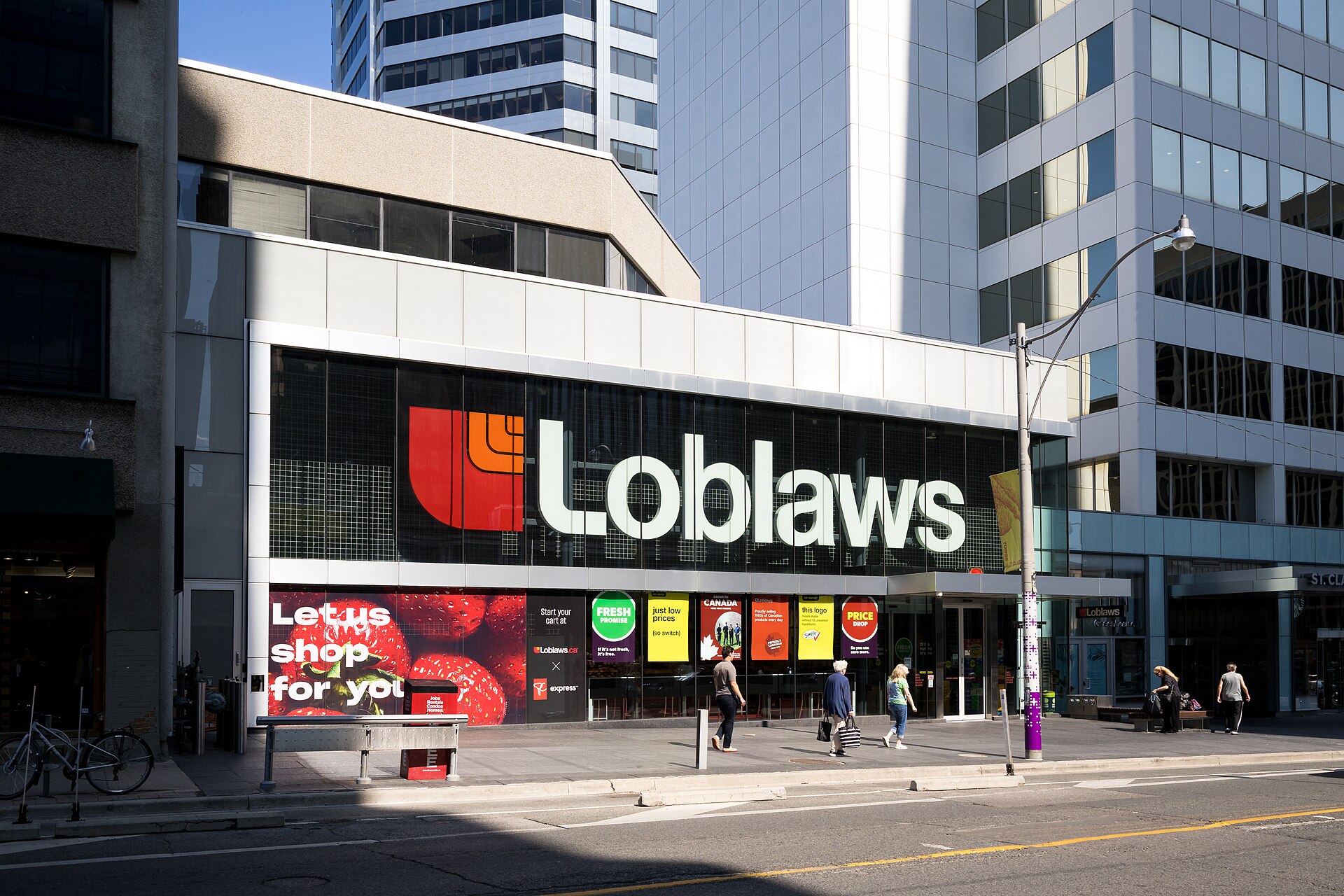
Loblaw Companies Ltd. said it has pushed back on “hundreds of millions” of dollars in proposed supplier price increases so far this year, as the value of requested cost hikes climbs, Canadian Grocer reported on Oct. 28.
The grocer said the dollar value of supplier cost increases in its fourth quarter rose 120 per cent compared with a year earlier, even though the number of requests fell 35 per cent. Loblaw said it is challenging increases it considers “unjustified.”
The company attributed the pressure to rising commodity prices. In its latest Food Inflation Report, Loblaw said eight of the 10 commodities it tracks became more expensive in September. It also pointed to higher diesel and freight costs and new tariffs as sources of uncertainty, according to Canadian Grocer.
Loblaw said Canada’s latest retaliatory tariffs could affect 2,500 products, compared with 5,000 in 2025, but at rates that reach 50 per cent, up from 25 per cent last year. The retailer said it is managing supplier submissions covering 2,000 items tied to those tariffs, representing $32 million in proposed annualized increases. The products include both food and non-food items such as haircare, baking mixes, doughs and cheese.
A few dozen items on Loblaw shelves carry a “T” symbol that flags a tariff impact. The company said it reinstated the symbol in August as the Canada-U.S. trade war reignited.
The pushback comes as Canadians watch grocery bills closely. Statistics Canada reported earlier in October that grocery prices rose 1.7 per cent year-over-year in September, the smallest annual increase since May 2024. Fresh vegetables fell 2.9 per cent and sugar and confectionery fell 2.7 per cent, while fresh or frozen beef rose 8.7 per cent. Grocery prices are still up 33 per cent since September 2020, Canadian Grocer reported.
The overall inflation picture is less benign. Canada’s headline rate reached 3.1 per cent in September, driven by fuel, as Canada News Media reported earlier this week. U.S. tariff changes affecting Canada also take effect Oct. 30, according to a White House notice covered in our earlier report.
CTV News, citing The Canadian Press, reported on Oct. 25 that Loblaw chief executive Per Bank sees discount stores as key to winning shoppers who are weary of high prices. Canadian Grocer noted that discount banners make up about 40 per cent of the company’s grocery footprint.
Loblaw did not name individual suppliers or products whose requests were rejected, and the figures above are the company’s own. Whether the rejected increases will eventually show up on shelves will depend on negotiations with suppliers, the company’s statements suggest, as well as on how long tariffs and commodity costs remain elevated.
The company’s pushback is one of the few windows shoppers get into the price negotiations that sit behind store shelves. Suppliers submit proposed cost increases, retailers accept, reject or negotiate them, and the outcome helps determine what Canadians pay at the checkout.
If you find reporting like this useful, consider supporting Canada News Media, an independent Canadian newsroom with no corporate parent.
Source: Canadian Grocer, CTV News, Statistics Canada figures as reported by Canadian Grocer.
Follow Canada News Media
Get the day's top Canadian stories and our two daily 60-second news videos wherever you scroll.
X Threads Facebook Instagram LinkedIn TikTok YouTube Pinterest Reddit Substack Flipboard Newsletter RSS