


Monfwi MLA Jane Weyallon Armstrong asked the Northwest Territories government on Tuesday to investigate whether environmental pollutants could be contributing to cancers in the Tłı̨chǫ region.
Speaking in the legislature in Yellowknife on Nov. 3, Weyallon Armstrong said figures from the Department of Health and Social Services show the Tłı̨chǫ region averaged 10 new cancer diagnoses a year between 2011 and 2022. Across the territory, the department reported an average of 164 invasive cancer diagnoses a year over the same period. By our calculation, the Tłı̨chǫ region’s average is about six per cent of the territorial figure.
“Tłı̨chǫ residents have long-standing concerns about the historical mining activities, particularly at the former Rayrock uranium mine,” Weyallon Armstrong said. She said residents question whether exposure to hazardous material and contamination of surrounding lands and waters may have played a part. She added that similar concerns have been raised about local landfills and improper waste disposal.
She called on the territorial government to work with the Tłı̨chǫ Government on the issue. “Residents deserve reliable information about the health of their communities and a thorough investigation into the concerns they have raised for years,” she said.
Health Minister Denny Rodgers said he could not speak to any existing assessment of links between historical mining and cancer rates in the region. He noted that water testing is carried out across the territory, and he committed to speaking with the chief public health officer about what information is available. “I’m absolutely willing to sit down with the Tłı̨chǫ Government to assess this in any way that they feel is appropriate,” Rodgers said.
Neither the MLA’s figures nor the minister’s response establishes a link between the former mine and cancer diagnoses. The numbers show how many people were diagnosed, not what caused their illness.
A territorial report released in August, Cancer in the Northwest Territories, 2011-2022, found that overall cancer rates in the territory were similar to those in the rest of Canada after accounting for age, but that Indigenous people continue to have higher cancer mortality.
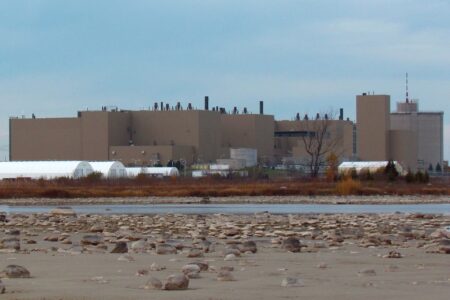
The Rayrock site, known in Tłı̨chǫ as Kwetı̨ı̨ɂaà, is about 145 kilometres northwest of Yellowknife and sits in the traditional territory of the Tłı̨chǫ Nation. Rayrock Mines Ltd. operated the underground uranium mine from 1957 to 1959, processing about 70,000 tonnes of ore to yield 207 tonnes of uranium concentrate, before abandoning it.
Crown-Indigenous Relations and Northern Affairs Canada, which is custodian of the federal contaminated site, says the Tłı̨chǫ are particularly concerned about the site’s effects on the health of mine workers, families who lived nearby during mining, and downstream impacts in Behchokǫ̀. Canada first cleaned up the site in 1996, covering tailings and sealing the mine entries, but confirmed in 2017 that more work was needed. The federal department says active remediation by contractor Sanexen is expected to take about three years.
The territorial legislature has also been pressed this week on northern cost of living and housing. Earlier this week, N.W.T. MLAs sought an audit of Housing NWT spending. For readers elsewhere in Canada, our guide to colon cancer screening and FIT kits by province explains how to get tested, and our look at the N.W.T.’s most expensive homes shows the territory’s housing market.
Sources: Cabin Radio reporting on the Nov. 3 legislature exchange; Crown-Indigenous Relations and Northern Affairs Canada’s Kwetı̨ı̨ɂaà (Rayrock) Mine Remediation Project page; N.W.T. Department of Health and Social Services.
If you find reporting like this useful, consider supporting Canada News Media, an independent Canadian newsroom with no corporate parent.
Follow Canada News Media
Get the day's top Canadian stories and our two daily 60-second news videos wherever you scroll.
X Threads Facebook Instagram LinkedIn TikTok YouTube Pinterest Reddit Substack Flipboard Newsletter RSS