

On Oct. 2, 1952, North Korean shore batteries struck the Canadian destroyer HMCS Iroquois near Songjin, killing three sailors and wounding 10 others, according to the naval history site For Posterity’s Sake.
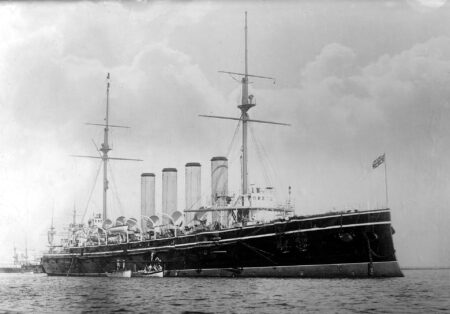
Iroquois, a Tribal-class destroyer that was commissioned on Nov. 30, 1942, at Newcastle upon Tyne, was on the first of three Korean War tours when it was hit. That tour ran from April 21, 1952, to Jan. 8, 1953, according to For Posterity’s Sake. The ship was under the command of Cmdr. William Landymore, who later rose to rear-admiral.
The ship’s task that day was to keep a North Korean rail line out of service. According to For Posterity’s Sake, a tunnel near Songjin on the main line was the target for about two hours, as Iroquois worked to stop repair crews from getting trains moving again. Songjin sits on North Korea’s east coast.
At 4 p.m., the destroyer stopped firing and began a slow turn out to sea. Shore batteries opened fire while the ship was fully broadside, according to the same account. Legion Magazine reports the attack came at the same hour and place.
A shell hit the ship’s “B” gun deck. Lt.-Cmdr. John Quinn and Able Seaman Elburne Baikie were killed instantly, according to Legion Magazine and For Posterity’s Sake. Able Seaman Wally Burden was critically wounded and died hours later. Legion Magazine puts his death at about five hours after the attack, while For Posterity’s Sake says only that he died several hours later.
The count of wounded is consistent across the sources. Legion Magazine says two sailors, Able Seamen J.A. Gaudet and E.M. Jodoin, were seriously wounded and eight more suffered splinter wounds, for 10 injured in all.
According to Legion Magazine, Iroquois transferred its dead and wounded to a U.S. Navy tanker bound for Japan. After a brief memorial service, the destroyer went back into action the next day. It returned to the bay where it had been struck and engaged the North Korean gun batteries again, the magazine reports. The three dead were given full military honours and buried in the Commonwealth war cemetery near Yokohama, Japan, according to Legion Magazine.
The ship carried on with its mission, and its record in the war carries a stark distinction. Legion Magazine states that Iroquois became the only Canadian naval ship to suffer losses to enemy action during the Korean War. For Posterity’s Sake makes the same point. Canadian destroyers had been sent to the Korean theatre since the opening months of the conflict, and much of their work consisted of shore bombardment, patrol and interdiction of coastal rail lines like the one near Songjin.
Iroquois later completed two more Korean deployments, from April 29, 1953, to Feb. 10, 1954, and from July 1, 1954, to March 19, 1955, according to For Posterity’s Sake.
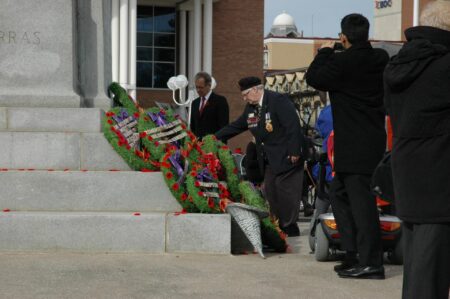
The events of Oct. 2, 1952, are a reminder that the Royal Canadian Navy’s contribution to the Korean War was not confined to escort duty. Sailors on the destroyers worked within range of enemy guns, close to the coast, for months at a time. Three of them did not come home from that afternoon off Songjin.
If you find reporting like this useful, consider supporting Canada News Media, an independent Canadian newsroom with no corporate parent.
Sources: Legion Magazine, “HMCS Iroquois damaged in Korea”; For Posterity’s Sake, HMCS Iroquois (G89/217) ship page.
Follow Canada News Media
Get the day's top Canadian stories and our two daily 60-second news videos wherever you scroll.
X Threads Facebook Instagram LinkedIn TikTok YouTube Pinterest Reddit Substack Flipboard Newsletter RSS