

Ottawa’s promised guarantee of clean drinking water for First Nations is back before Parliament this week without the constitutional language that anchored the original bill, and several chiefs say they saw the final wording only after it was already public.
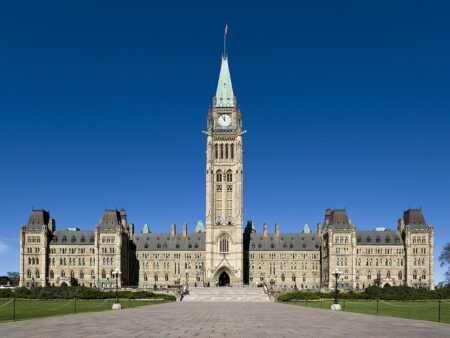
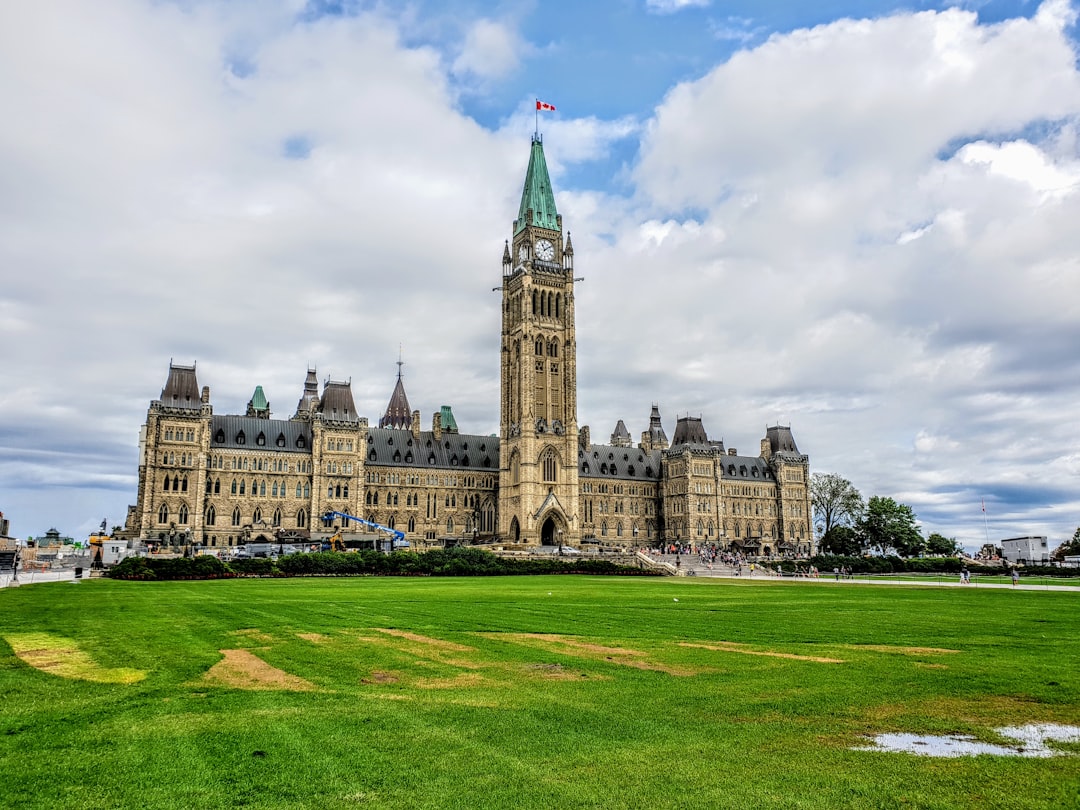
Indigenous Services Minister Mandy Gull-Masty introduced the First Nations Clean Water Act, Bill C-37, at a Parliament Hill news conference on June 16, 2026, reviving legislation that died on the order paper when then-prime minister Justin Trudeau prorogued Parliament in January 2025. That earlier bill, C-61, stated the law was to be construed as upholding rights recognized and affirmed by section 35 of the Constitution Act, 1982. Bill C-37 replaces that clause with a commitment to the “progressive realization” of the human right to safe drinking water, a standard drawn from a United Nations covenant rather than Canada’s Constitution.
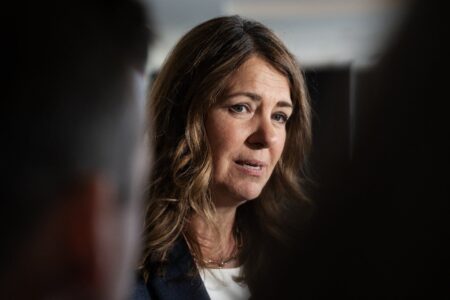
The distinction is not academic, according to Indigenous leaders who reviewed the bill. Anishinabek Nation Grand Chief Linda Debassige called the “progressive realization” wording “insane,” saying First Nations already hold the right to clean water and should not need Ottawa to phase it in gradually. “Our nations have this right. Right now,” she said, according to APTN News. Assembly of First Nations National Chief Cindy Woodhouse Neepinak said she received the bill’s final wording only the Friday before it was tabled, with no chance to negotiate further changes before MPs saw it.
Woodhouse Neepinak still credited the $4.6 billion in funding attached to the bill as “unprecedented,” though she estimated it covers roughly 20 per cent of what communities actually need for water and wastewater infrastructure. As of May 2026, 40 long-term drinking water advisories remained in effect across 37 First Nations communities, according to Water Canada, concentrated heavily in Ontario and Manitoba. Some communities, including Neskantaga First Nation in northern Ontario, have lived under advisories for decades.
Not every reaction was negative. Chiefs of Ontario regional chief Abram Benedict said he was glad the bill kept language recognizing source water, the rivers, lakes and groundwater First Nations draw from before it ever reaches a treatment plant, calling that protection important on its own. Nishnawbe Aski Nation Grand Chief Alvin Fiddler said the bill remains imperfect but that his nation will keep pushing for stronger source-water and rights language rather than walk away from the process entirely.
The timing gives the dispute a bigger stage. The House of Commons returns this week for a fall sitting that Government House Leader Steven MacKinnon has described as centred on “significant economic legislation,” alongside six pending byelections and a federal budget Finance Minister François-Philippe Champagne has not yet scheduled, according to a Canadian Press report carried by CP24. That overview listed Bill C-37 among the legislation coming back to the floor this fall but did not explain what had changed inside it, a gap that matters because the rights clause is exactly what Indigenous leaders say they intend to keep fighting over once committee hearings begin.
For communities that have boiled their water for years since Ottawa’s 2015 pledge to end long-term advisories, the debate now turns from whether Canada will legislate a right to water at all to how firmly that right gets written into law, a question MPs will start working through this fall.
Via APTN News and The Canadian Press (CP24). Original reporting: APTN News and CP24 (The Canadian Press).
Follow Canada News Media
Get the day's top Canadian stories and our two daily 60-second news videos wherever you scroll.