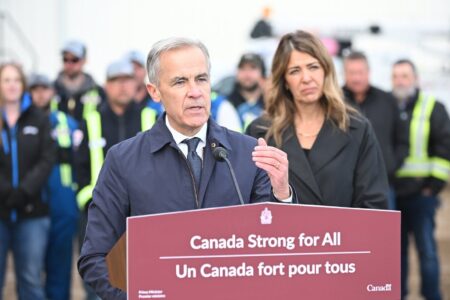


Canada’s own Major Projects Office says plainly, on its government website, that the tungsten headed for production at a proposed New Brunswick mine has “both civilian and defence applications, such as cutting tools, steel, military munitions, and protective equipment.” That single line, buried in a federal project summary, is the detail that connects two stories Canadians have mostly seen covered separately this month: Prime Minister Mark Carney’s push for $1 trillion in new investment, and a wave of Indigenous-led protest against it.
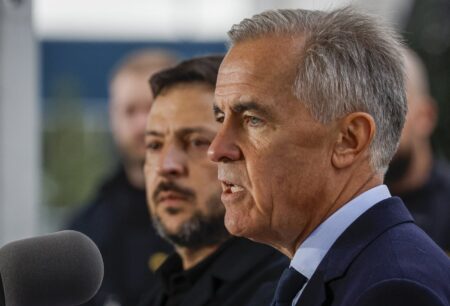
More than 1,000 people demonstrated outside Carney’s inaugural Canada Investment Summit in Toronto on Sept. 14 and 15, according to CBC News, with two arrests reported. Indigenous leaders, environmental groups including Dogwood, labour unions and youth-led collectives such as Okiniwak marched against what they called fast-tracked approvals for pipelines and mines on First Nations land. Among their listed grievances, according to wire coverage carried by the Lethbridge Herald, was that some of the investment on offer was headed toward military projects. Few reports named which project they meant.
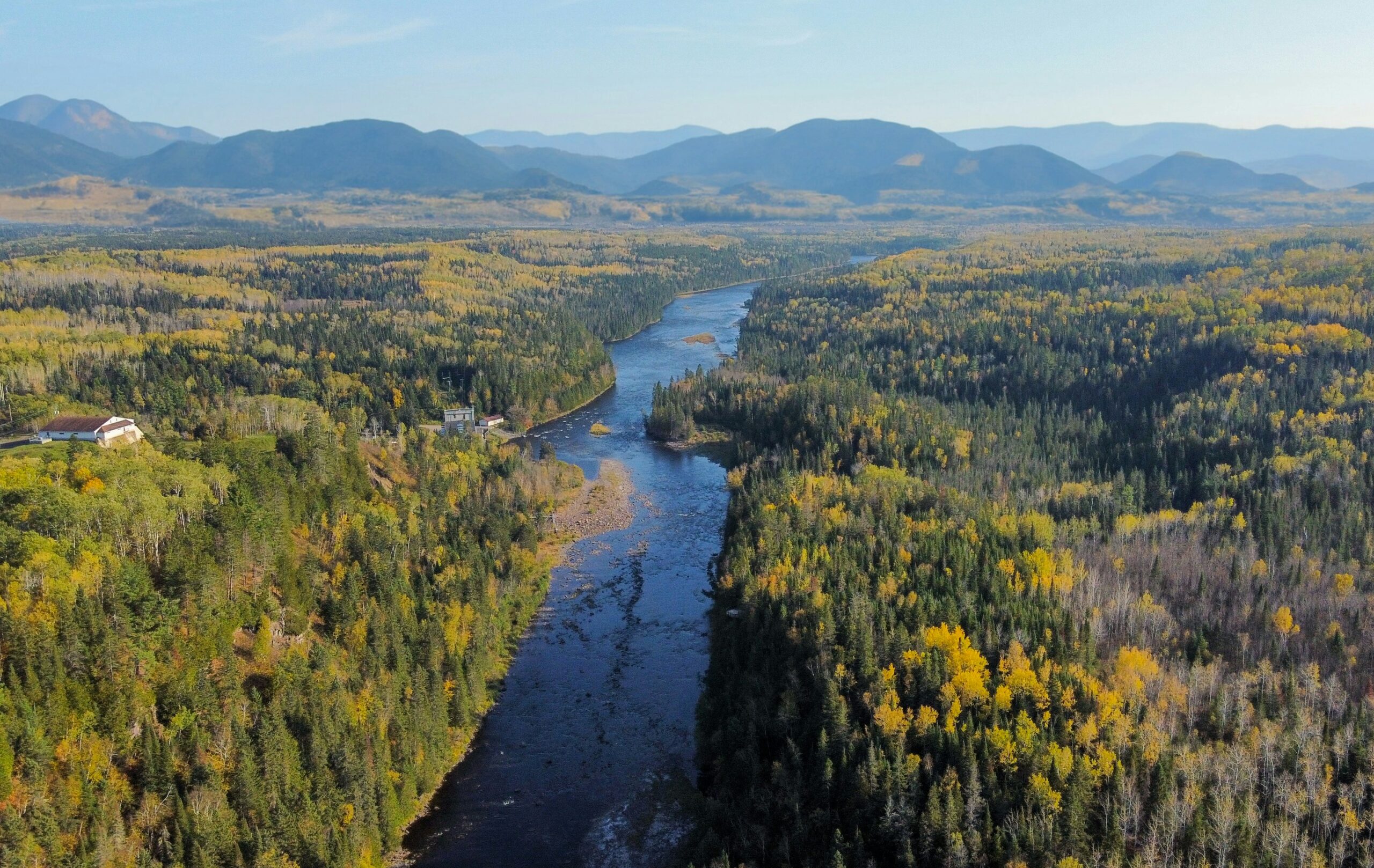
That project is almost certainly the Sisson Mine, an open-pit tungsten and molybdenum operation proposed for Wolastoqey territory near Fredericton. Northcliff Resources, the Vancouver-based company behind it, has confirmed it received up to $8.214 million from Natural Resources Canada’s Global Partnerships Initiative in August 2025, on top of US$15 million, or roughly $20.7 million, from the U.S. Department of Defense under the Defense Production Act, announced that May. The Pentagon money funds feasibility and engineering work, not construction, but it ties a Canadian mining project directly to American defence procurement, a link Ottawa’s own Major Projects Office page does not shy away from stating.
Wolastoqey leaders have opposed Sisson for years on environmental and treaty grounds, arguing the project sits on unceded territory and threatens the Wolastoq River their nation is named for. The defence funding sharpened that opposition. Elder Alma Brooks of the Wolastoqey Grand Council has linked the mine’s military end use to conflicts overseas, telling Peace Brigades International-Canada, a human rights observer group that has tracked the project’s financing closely, that the connection amounts to “a genocide that’s happening right under the nose of the world.” Grand Chief Ron Tremblay has separately maintained that the Peace and Friendship Treaties his ancestors signed in the 18th century ceded no land at all.
Northcliff, for its part, is targeting a construction decision in late 2027 and production by 2030, positioning Sisson as the mine that would revive Canadian tungsten output for the first time since the country’s last tungsten operation closed in 2015. The federal government has listed the project among its “nation-building” priorities as it races to secure critical minerals supply chains at a moment when both Washington and Ottawa are courting allied industry away from Chinese-controlled sources.
What is missing from the public record is any direct federal response to the specific charge that Canadian public money and Pentagon dollars are now flowing into the same New Brunswick mine over the objections of the nation whose territory it sits on. Indigenous Services Canada did not weigh in on Sisson specifically during summit week, and Natural Resources Canada’s public materials describe the funding in the neutral language of “critical minerals” and “supply chain resilience” rather than the munitions end use its own project page acknowledges elsewhere.
For readers trying to make sense of a summit remembered mostly for its size and its protest optics, the throughline is this: at least one of the projects Carney is courting investors toward has a documented weapons supply chain, a federal funding trail on both sides of the border, and a First Nation that says it was never asked.
Via Peace Brigades International-Canada, CBC News and Northcliff Resources’ own funding disclosures. Read the original PBI Canada investigation: pbicanada.org
Follow Canada News Media
Get the day's top Canadian stories and our two daily 60-second news videos wherever you scroll.