
More than 1,000 people marched through downtown Toronto on Monday evening in protest against Prime Minister Mark Carney’s first national investment summit, and the specific grievance several of them named, fast-tracked environmental assessments, points at a federal decision expected within weeks.
Protesters gathered first in Nathan Phillips Square and then marched to a police barrier near the Art Gallery of Ontario, where the summit’s opening gala was held, CBC News reported. Between 200 and 300 Toronto police officers were stationed in the area to keep the crowd from the barricade. The march brought together labour unions, Indigenous leaders, and climate and housing advocates, a coalition that said it rejects leaving Canada’s economic future to chief executives and worries about public services, pipelines and arms manufacturing.
Kakeka ThunderSky, a member of Poplar River First Nation, travelled from Winnipeg to join the march out of concern about fast-tracked environmental assessments and federal policies affecting First Nations land, The Canadian Press reported.
That phrase is not abstract, and it is where the wire coverage of Monday’s march stops short. The fast-tracking protesters described has a specific legal vehicle and a specific calendar, both already in motion.
The Building Canada Act, passed in 2025, allows the federal cabinet to designate infrastructure projects as being in the “national interest.” The Major Projects Office, formed on Aug. 29, 2025, then coordinates financing and consolidates federal regulatory conditions into a single document. The sequencing matters: under the Act, a project can be designated first, with regulatory departments, Indigenous communities, provinces and territories consulted in the process that follows.
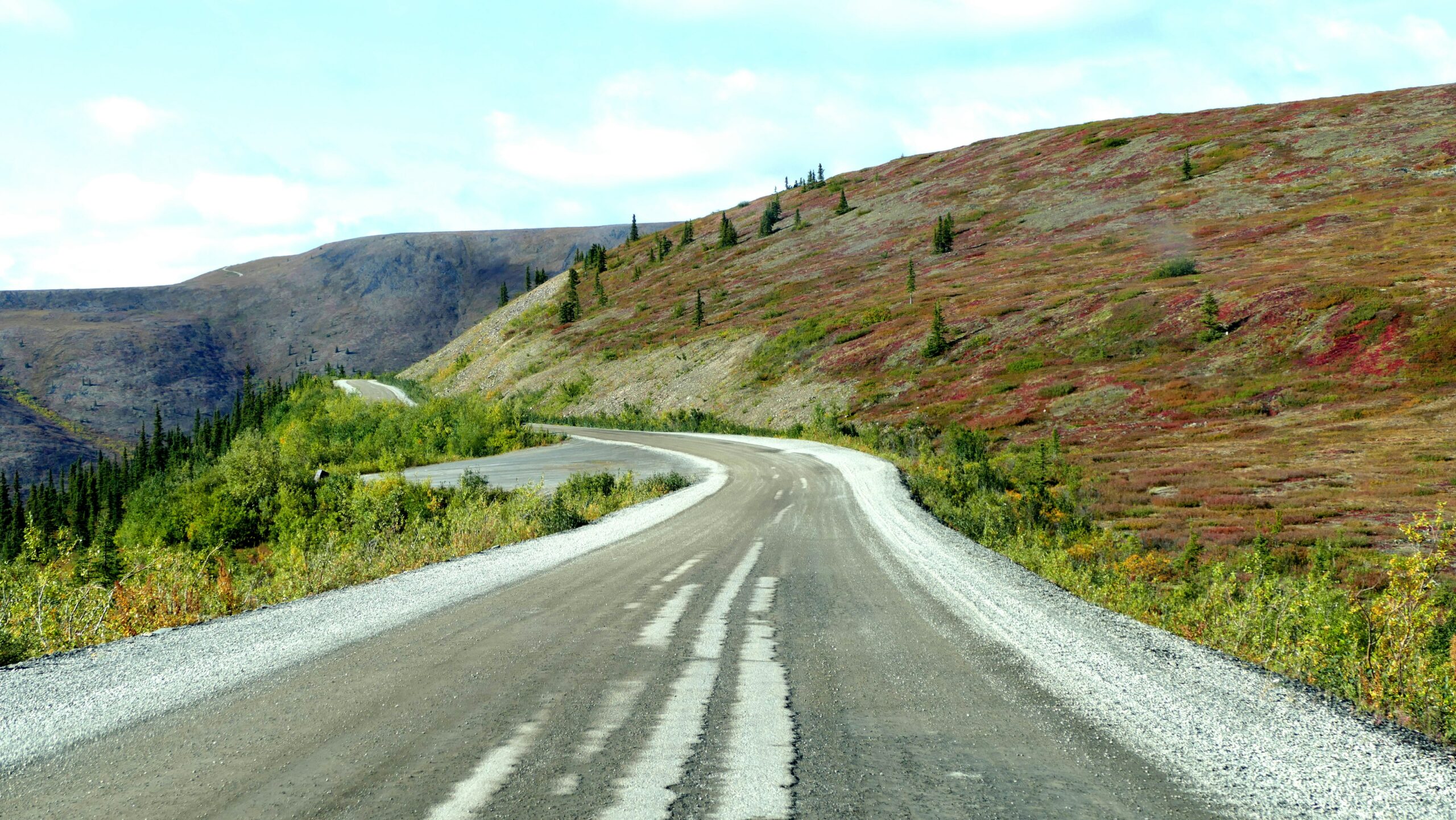
On June 24, 2026, Ottawa announced it was initiating the listing process for three projects. The Mackenzie Valley Highway would run roughly 800 kilometres north from Wrigley, N.W.T., to Inuvik, near the Arctic Ocean. The Grays Bay Road and Port project would build a deepwater port in Nunavut, an airstrip, and a 230-kilometre all-season road running into the Northwest Territories. The third is the Nuclear Waste Management Organization’s deep geological repository in northwestern Ontario, near Wabigoon Lake Ojibway Nation and the Township of Ignace. Consultations opened over the following weeks, with listing decisions targeted for this fall.
In other words, the protest outside the Art Gallery of Ontario and the first national interest designations under the Act are separated by a matter of weeks, not years.
The gap the marchers were pointing at is the one between consultation and consent. Ottawa’s own guidance on Building Canada Act projects states that its duty to consult is guided by section 35 of the Constitution Act, 1982, and that it recognizes the United Nations Declaration on the Rights of Indigenous Peoples Act along with modern treaties and self-government agreements. It does not require consent for a project to proceed. Recent case law has held that free, prior and informed consent is not a veto, but that it requires a process placing heightened emphasis on deep consultation and negotiation aimed at a mutually acceptable arrangement.
That distinction explains why Indigenous leadership was on both sides of the police line Monday. The Assembly of First Nations sent a proxy to the opening gala, and National Chief Cindy Woodhouse Nepinak and Inuit Tapiriit Kanatami president Natan Obed were expected to attend, according to The Canadian Press, even as members of individual First Nations marched outside. Engagement at the summit and opposition in the street are not contradictory positions when consent is not the legal test.
Carney has set a target of attracting $1 trillion in investment over five years, and the summit’s pitch leaned on energy, critical minerals and defence, sectors whose projects most often run through territory covered by treaty and asserted rights. The federal government’s own materials acknowledge the practical consequence of proceeding without community support: project development may be delayed by court proceedings and by physical intervention on the ground.
The open question after Monday is whether the consultations that began in June produce agreements before the fall listing decisions land, and what Ottawa does if they do not. That answer, rather than the size of the crowd outside the gallery, will determine how much Monday’s march actually mattered.
Via CBC News, with additional reporting from The Canadian Press and federal government sources.