
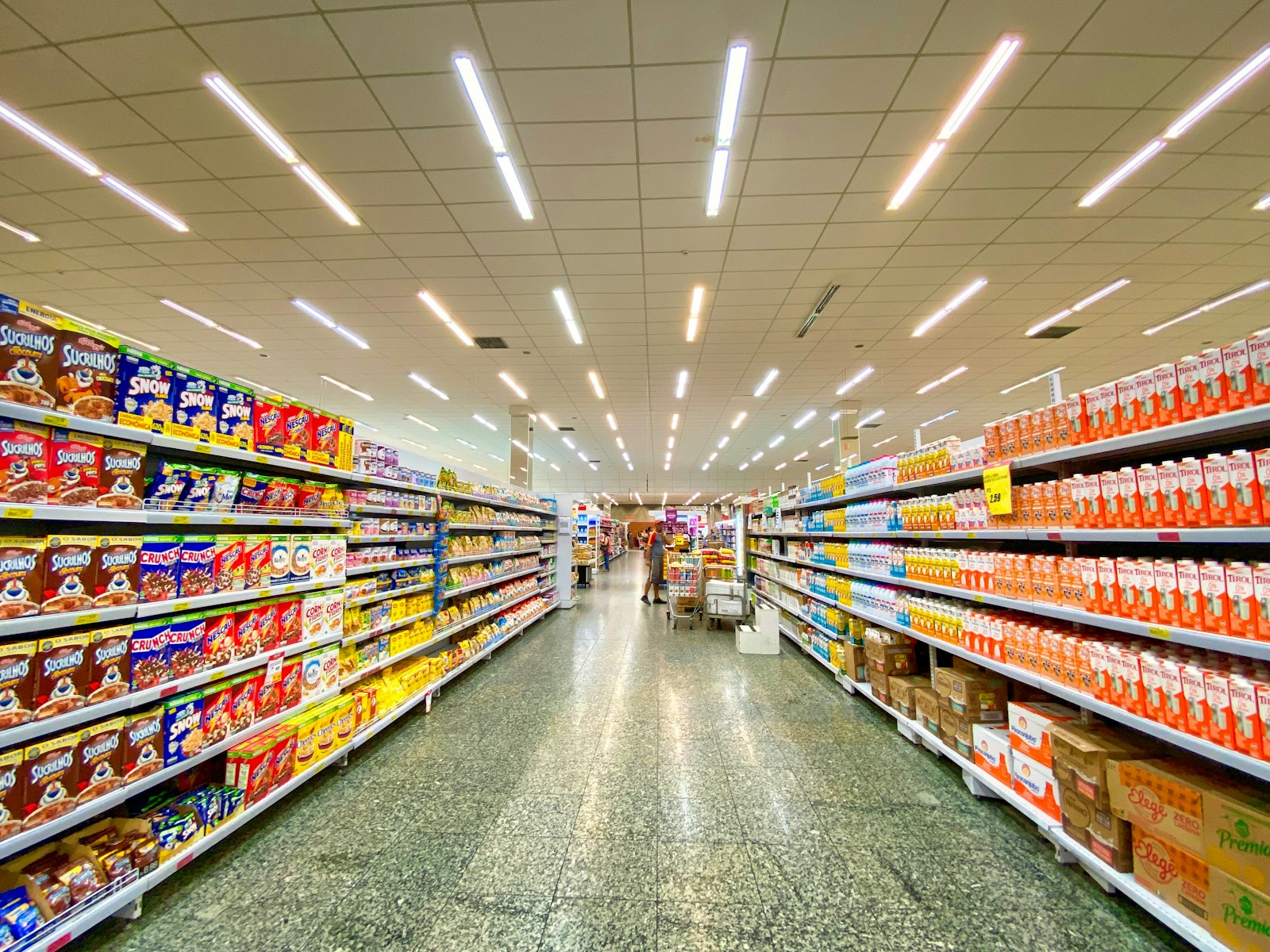
Empire Co. Ltd., the Nova Scotia company that owns Sobeys, Safeway, IGA, Foodland and FreshCo, is now legally barred from stopping rival grocers from opening near its stores, under a binding agreement with the Competition Bureau announced Sept. 22, 2026.
The deal, registered with the Competition Tribunal as a consent agreement, requires Empire to stop enforcing existing restrictive covenants, avoid entering new ones and limit its use of exclusivity clauses in commercial leases, the Bureau said in a statement. Unlike an earlier voluntary pledge Empire made in July, the new agreement is enforceable as a court order. “The agreement with Empire removes barriers to competition and will support new entry,” Jeanne Pratt, the Bureau’s interim commissioner of competition, said in the statement.
The two tools at issue sound technical, but their effect on a shopper’s grocery bill can be direct. A restrictive covenant is a condition attached to a property, often written into the sale agreement, that bars the land from ever being used by a competing grocery store, sometimes for decades. An exclusivity clause does something similar through a lease, preventing a landlord from renting nearby space to a rival. Both tools can keep a single chain as the only grocery option in a plaza or a small town, according to the Bureau, which has said such controls “make it difficult, or even impossible, for businesses to open new stores” in a given area.
For a concrete sense of what that looks like in practice, Albertans do not have to look far. In Crowsnest Pass, an Empire-owned IGA had been the only grocery store in the southern Alberta community since 2017 under a restrictive covenant tied to the property. After the Bureau pushed Empire to drop the restriction in January 2025, a second grocery store was cleared to open in the community that year. “Market forces, not property controls, should determine whether and where new grocery stores can open,” the Bureau’s then-commissioner, Matthew Boswell, said at the time. It is the clearest public example so far of what Ottawa’s grocery competition push is meant to deliver nationwide.
Tuesday’s agreement did not come out of nowhere. The Bureau first flagged property controls as a barrier to grocery competition in a 2023 report, then opened formal investigations into Empire and Loblaw over practices in the Halifax area in 2024, backed by Federal Court orders compelling the companies to hand over records. Loblaw made its own voluntary commitment to phase out the practice in June 2025, and Walmart Canada followed with a similar pledge. Manitoba went further, passing legislation banning certain grocery property controls outright. A Federal Court order in June 2026 then expanded the Bureau’s probe into Empire’s practices across the country, a legal escalation that preceded this week’s settlement.
What is still missing, more than two and a half years into the Bureau’s campaign, is public evidence that any of this is moving prices or store counts beyond that one Alberta case. Neither the Bureau nor Empire has published data showing how many properties are affected nationally, how many new competitors have actually opened as a result of Loblaw’s or Walmart’s earlier commitments, or how long shoppers in other underserved communities might wait to see a second grocery store arrive. The Crowsnest Pass example took roughly eight years to resolve.
That gap matters for the grocery affordability debate Canadians have been living through since 2023. A legally binding order gives the Bureau a stronger hand than a voluntary pledge, since Empire could now face Competition Tribunal enforcement for backsliding. Whether that translates into a second grocery store opening in more Canadian communities, rather than just fewer barriers on paper, is the question the Bureau’s own numbers do not yet answer.
Via Competition Bureau of Canada and BNN Bloomberg. Read the original Competition Bureau statement here.
Follow Canada News Media
Get the day's top Canadian stories and our two daily 60-second news videos wherever you scroll.
X Threads Facebook Instagram LinkedIn TikTok YouTube Pinterest Reddit Substack Flipboard Newsletter RSS