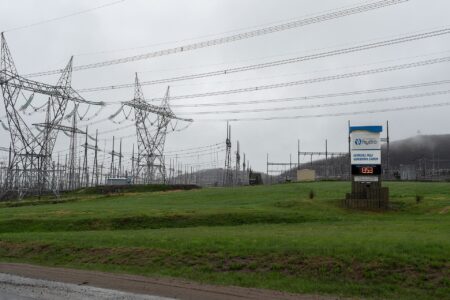



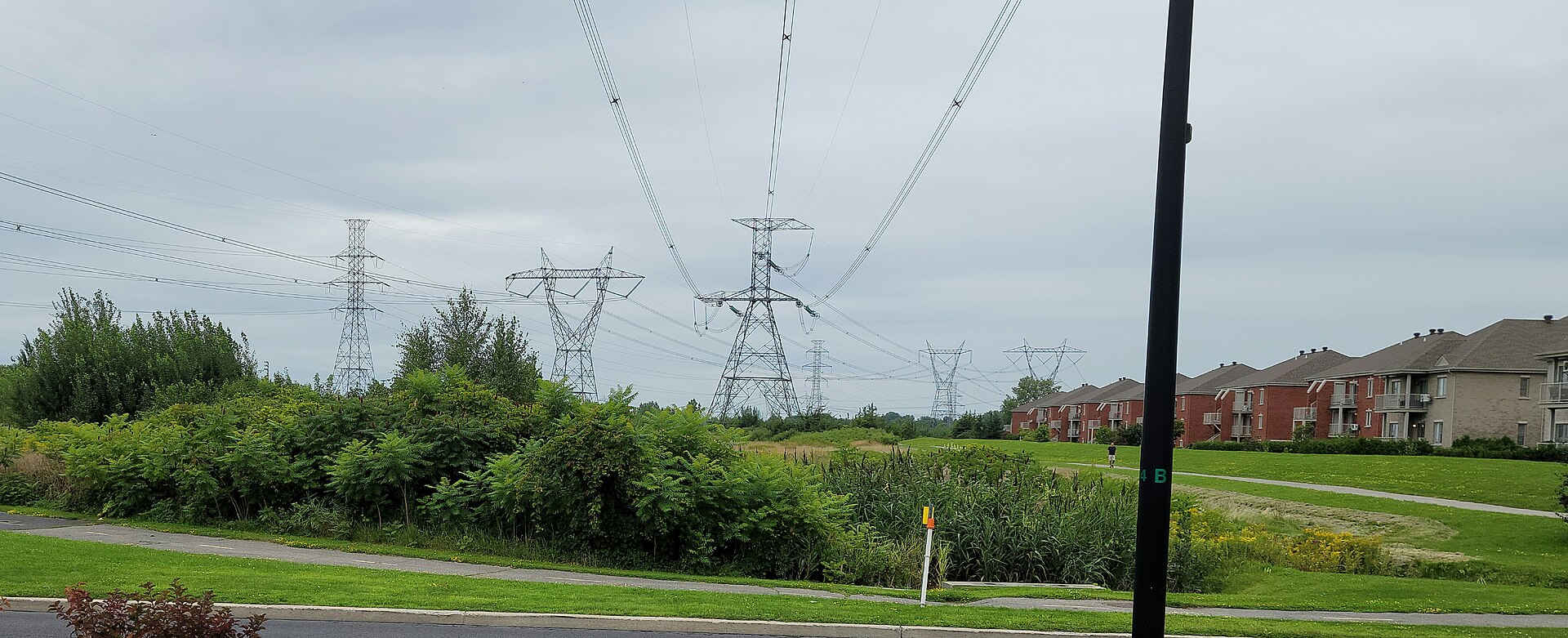
Hydro-Québec is asking Quebec’s energy regulator to raise the average price data centres pay for electricity to 13 cents per kilowatt-hour from 6.82 cents, a proposal now before a public hearing at the Régie de l’énergie.
The utility’s proposal, filed under file R-4333-2026, would create a new rate for data centres and adjust the existing rate for cryptographic use applied to blockchains, according to Hydro-Québec’s public notice (translated from French).
Updated Oct. 17, 2026.
Hydro-Québec has said its average cost of producing power is about 12 cents per kilowatt-hour and rising, and that it does not want other customers to cover the difference on power sold cheaply to data centres, The Canadian Press reported.
Two consultants hired by the utility told the hearing on Oct. 8 that they expect data centre demand to more than double between 2024 and 2030, The Canadian Press reported. They attributed much of the growth to the expansion of artificial intelligence.
Alexis Renaud-Bezot, an analyst with the consulting firm Dunsky, said electricity use by data centres in North America could rise 133 per cent over that period, according to a French-language Canadian Press report (translated from French). The figure covers the continent, not Quebec alone.
The data centres that would be affected currently draw 190 megawatts at peak, a figure that could reach 1,000 megawatts by 2035, the report said. Crypto mining and crypto exchange operations would face an average rate of 19.5 cents per kilowatt-hour.
Even at 13 cents, Hydro-Québec power would remain cheaper for data centres than in many neighbouring markets, though not all, the report said. Ontario, New Brunswick and parts of the United States have cheaper options.
Lawyers for industry participants questioned whether those comparisons with other markets are relevant, noting that Hydro-Québec is Quebec’s sole electricity supplier. Marie-Pierre Boudreau, who represents the Coalition des centres de données, said Quebec offers customers no choice of supplier.
Lawyers for Google and a coalition of environmental groups were scheduled to question the utility’s consultants on Oct. 9. The hearing is to resume in December, when industry participants are to present their own views. The regulator has not announced a decision date.
The rate fight comes as demand for grid capacity for artificial intelligence grows across the country. Canada News Media has reported on OpenAI’s interest in Canadian data centres as grid space runs out, and on how the Parti Québécois transition team has approached the province’s other major power file, the Churchill Falls agreement. The incoming government also met the outgoing premier on the transition to power.
If you find reporting like this useful, consider supporting Canada News Media, an independent Canadian newsroom with no corporate parent.
Follow Canada News Media
Get the day's top Canadian stories and our two daily 60-second news videos wherever you scroll.
X Threads Facebook Instagram LinkedIn TikTok YouTube Pinterest Reddit Substack Flipboard Newsletter RSS