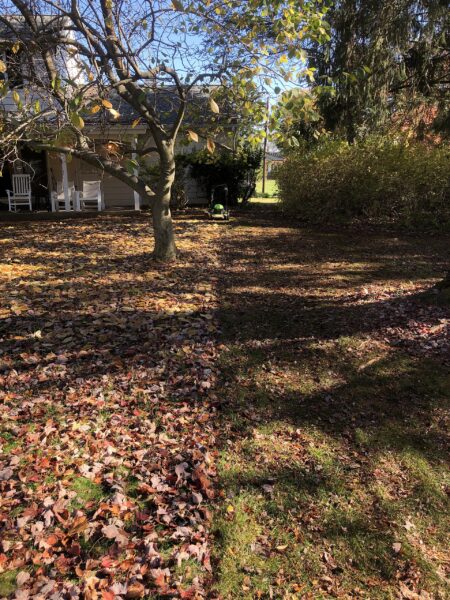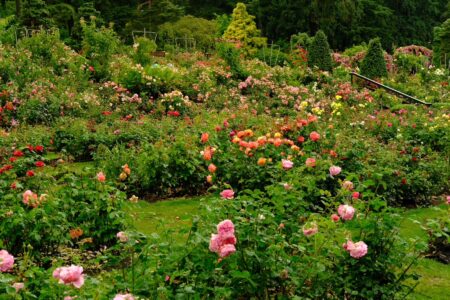



September is the window to divide crowded perennials across most of Canada, and the rule that governs the whole job is simple: get divisions back in the ground at least four to six weeks before the soil freezes. Spring and early-summer bloomers are the candidates for fall division, according to South Dakota State University Extension and the University of Minnesota Extension; late-summer and fall bloomers should be left alone until spring, when they are not trying to support flowers at the same time.
Most perennials benefit from division every three to five years, SDSU Extension notes, and the plant usually tells you when it is time. A clump that has died out in the centre, produces smaller flowers or leaves than it used to, blooms less than it once did, or has started flopping over and needing staking is a plant that has outgrown its own root space, according to the University of Minnesota Extension. Overcrowded roots compete for water and nutrients, and the restricted airflow through a dense clump invites disease.
Fall has practical advantages over spring for this particular chore. Cooler temperatures reduce transplant shock. You can see exactly where every plant sits and how large it has become, which makes it far easier to decide where the divisions should go. Plants with large fleshy roots, bulbs or rhizomes carry a good store of energy into winter, which is why peonies, Oriental poppy and Siberian iris are best split in fall rather than spring. And there is simply less competing garden work in September than there is in May.
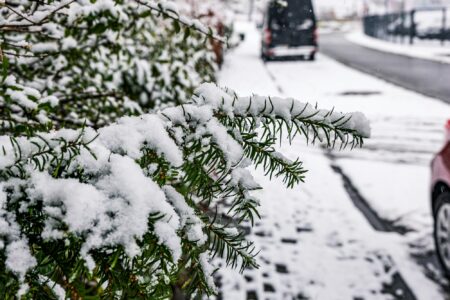
The timing is the part Canadian gardeners have to calculate for themselves, because the ground freezes at very different dates in Whitehorse, Winnipeg and Windsor. Count back four to six weeks from when your soil typically freezes hard. In much of the Prairies and northern Ontario and Quebec, that means the work should be done by roughly late September; in southern Ontario, the Lower Mainland and much of Atlantic Canada, early to mid-October is still reasonable. Divisions that go in too late do not have time to grow roots and are the ones that heave out of the ground over winter.
1. Decide whether the plant is a fall candidate
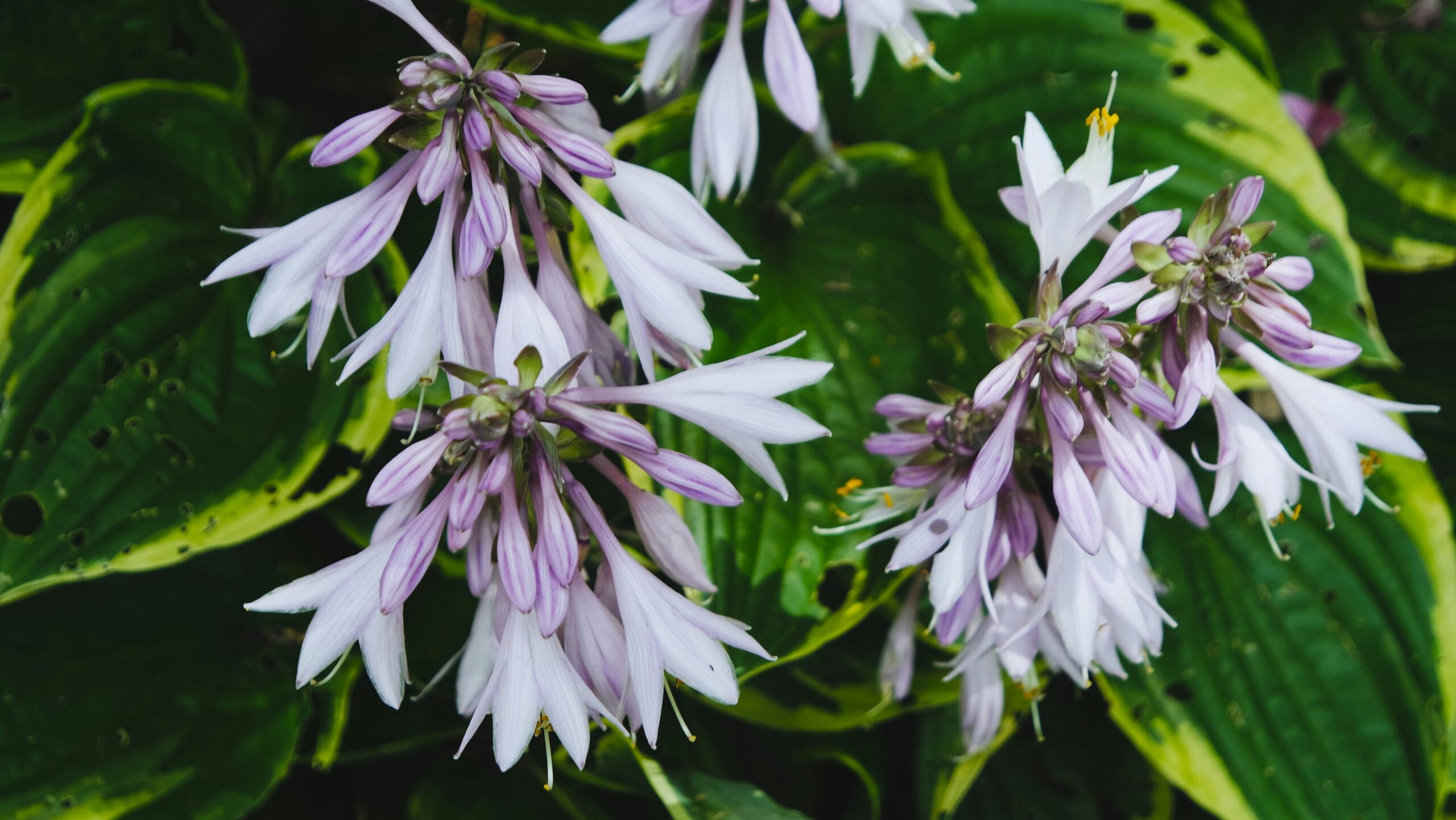
SDSU Extension lists these as good fall divisions: allium, astilbe, black-eyed Susan, blanket flower, coralbells, ferns, solidago, hosta, ligularia, mint, Oriental poppy, peony, phlox, salvia, Shasta daisy, Siberian iris and veronica. Daylilies are the flexible exception and respond well to division in any season. Leave asters, chrysanthemums and other late-season bloomers for spring.
2. Know which plants not to touch
Some perennials resent division outright. False indigo (Baptisia) has long, deep roots that are almost impossible to lift without snapping, and the University of Minnesota Extension advises against dividing or moving it at all. Peonies can be divided but are trickier than most, because their fleshy roots break easily and the divisions must go back in at a specific depth — about 1.5 inches — or they will not bloom. Expect a few years before a peony division flowers again.
3. Pick your day and prepare the soil
Work on a cloudy, overcast day. Dividing in full sun dries out exposed roots quickly. If the bed is dry, water it thoroughly the day before so the soil lifts cleanly rather than crumbling off the roots. Ideally, schedule the job when a couple of days of showers are in the forecast, the University of Minnesota Extension advises — free irrigation for the transplants.
4. Dig well outside the root zone
Push a spade or garden fork into the ground four to six inches out from the base of the plant and work all the way around it before lifting. Cutting in close to the crown severs the roots the division needs most. Lift or tip the whole clump out of the ground rather than prying at it.
5. Clear the soil so you can see what you are cutting
Shake, tease or loosen the soil off the root mass until the crown and roots are visible. If the soil is heavy and will not break up, rinse it off with a gentle stream from a hose. You cannot make sensible cuts through a clump you cannot see.
6. Separate the clump
There are three standard methods, and the right one depends on the plant. Loose, fibrous roots can be pulled or teased apart by hand. Dense clumps — hostas and ornamental grasses in particular — need a sharp garden knife or a spade driven through them. For a large, stubborn crown, insert two garden forks back to back into the centre and lever them apart. Each new division should have roughly three to five vigorous shoots or leaves plus a healthy share of roots, and the best material comes from the outside edges of the clump, where the growth is newest. The worn-out centre can go in the compost.
7. Inspect before replanting
Check each division for discoloured roots or signs of rot, and pull out any weeds that have worked their way into the clump. Dividing is the one moment you get a clear look at a plant’s root system, and it is the easiest time to catch a problem. Keep the divisions in the shade with their roots moist until they go back in the ground; replanting immediately is best.
8. Replant at the original depth
Set each division at the same depth it was growing before, spreading the roots out in the hole and covering them with soil. Planting too deep smothers the crown; too shallow leaves roots exposed to winter. This is where the extra divisions get useful — fill gaps in your own beds, or pot them up for neighbours.
9. Water well and mulch
Water new plantings thoroughly, then mulch to conserve moisture and improve overwintering survival, SDSU Extension advises. Keep watching soil moisture for several weeks afterward. A freshly divided plant has a smaller root system than it did in August and cannot take up water as efficiently, so fall rain alone may not be enough.
Divisions planted in September will not put on much visible growth before winter, and that is expected — the work is happening underground. The payoff comes the following June, when the same plants that were sulking and blooming poorly this year come back thicker, and when the extra plants you did not have to buy fill in the corners of the bed. If you are unsure whether a particular plant tolerates fall division, the University of Minnesota Extension maintains a reference list covering 125 common perennials with species-by-species timing.
Sources: South Dakota State University Extension, Dividing Perennials in the Fall; University of Minnesota Extension, How and when to divide perennials.
Follow Canada News Media
Get the day's top Canadian stories and our two daily 60-second news videos wherever you scroll.
X Threads Facebook Instagram LinkedIn TikTok YouTube Pinterest Reddit Substack Flipboard Newsletter RSS