


Calgary’s composite benchmark home price was $569,800 in August, one per cent lower than a year earlier, the Calgary Real Estate Board reported in its Sept. 1 monthly release. That headline figure conceals a spread of roughly nine percentage points between the city’s strongest and weakest housing types.
Semi-detached homes carried a benchmark price of $690,500 in August, up nearly one per cent from a year earlier. Detached homes were at $744,300, down one per cent. Row homes came in at $415,200, down five per cent. Apartment condominiums were at $295,400, down eight per cent.
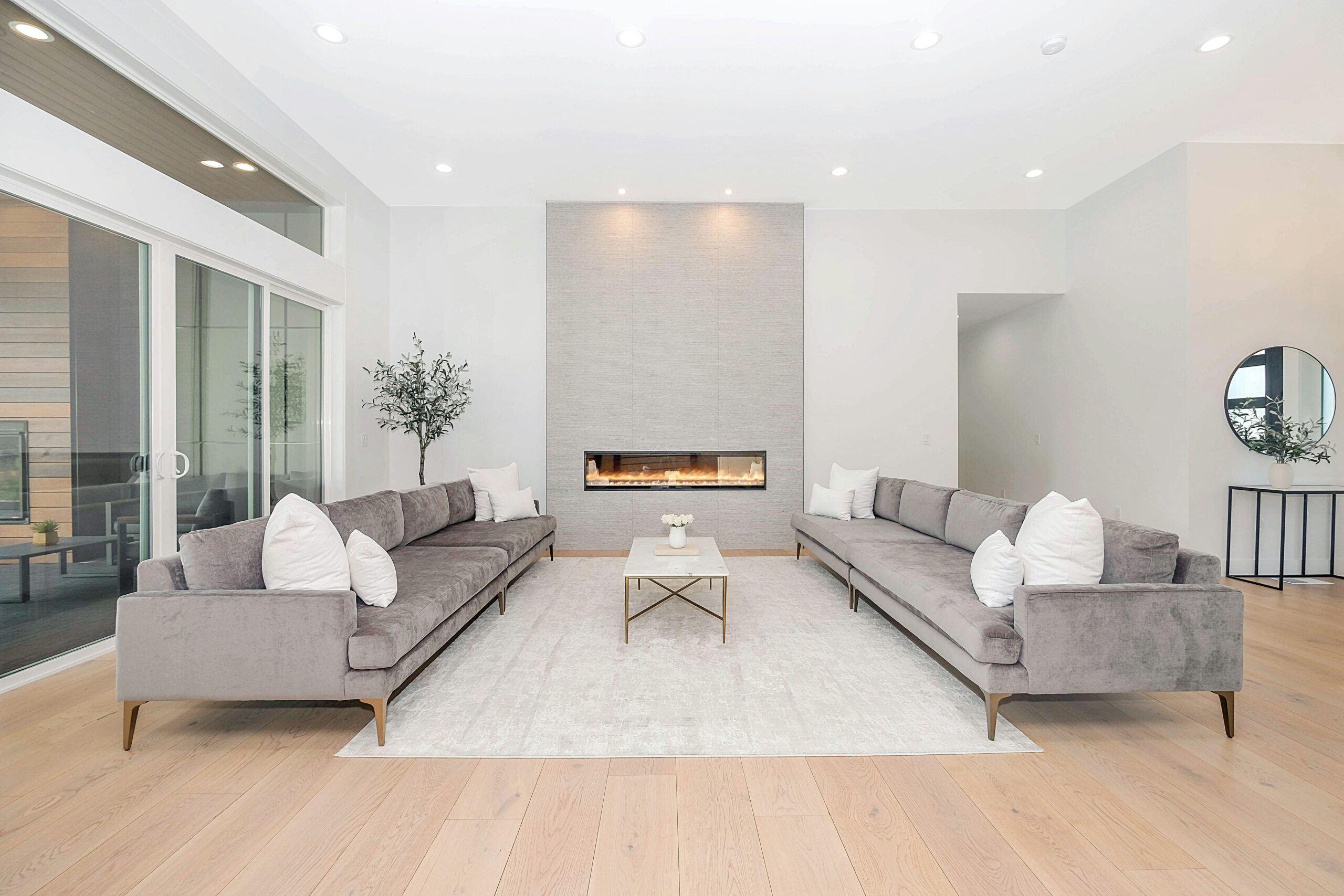
The apartment figure has the longest arc behind it. CREB reports apartment-style prices peaked in August 2024 at $341,300. Two years on, the benchmark sits nearly 13 per cent below that high, and CREB says year-to-date apartment sales are down 26 per cent.
Supply explains the split more cleanly than demand does. Calgary held 6,509 units in inventory in August, and with sales of 1,660 units, down 16 per cent from a year earlier, months of supply across the city pushed up to nearly four. But that citywide average splits in two. Apartment-style homes carried nearly six months of resale supply, buyer’s-market territory by any conventional reading, while detached homes sat above three months.
“Meanwhile, we have not seen the same pickup in activity in the lower price ranges, as favourable rental conditions are slowing the transition to ownership,” said Ann-Marie Lurie, chief economist at CREB. Sales above $1 million rose year over year, CREB said, driven mostly by detached and semi-detached homes.
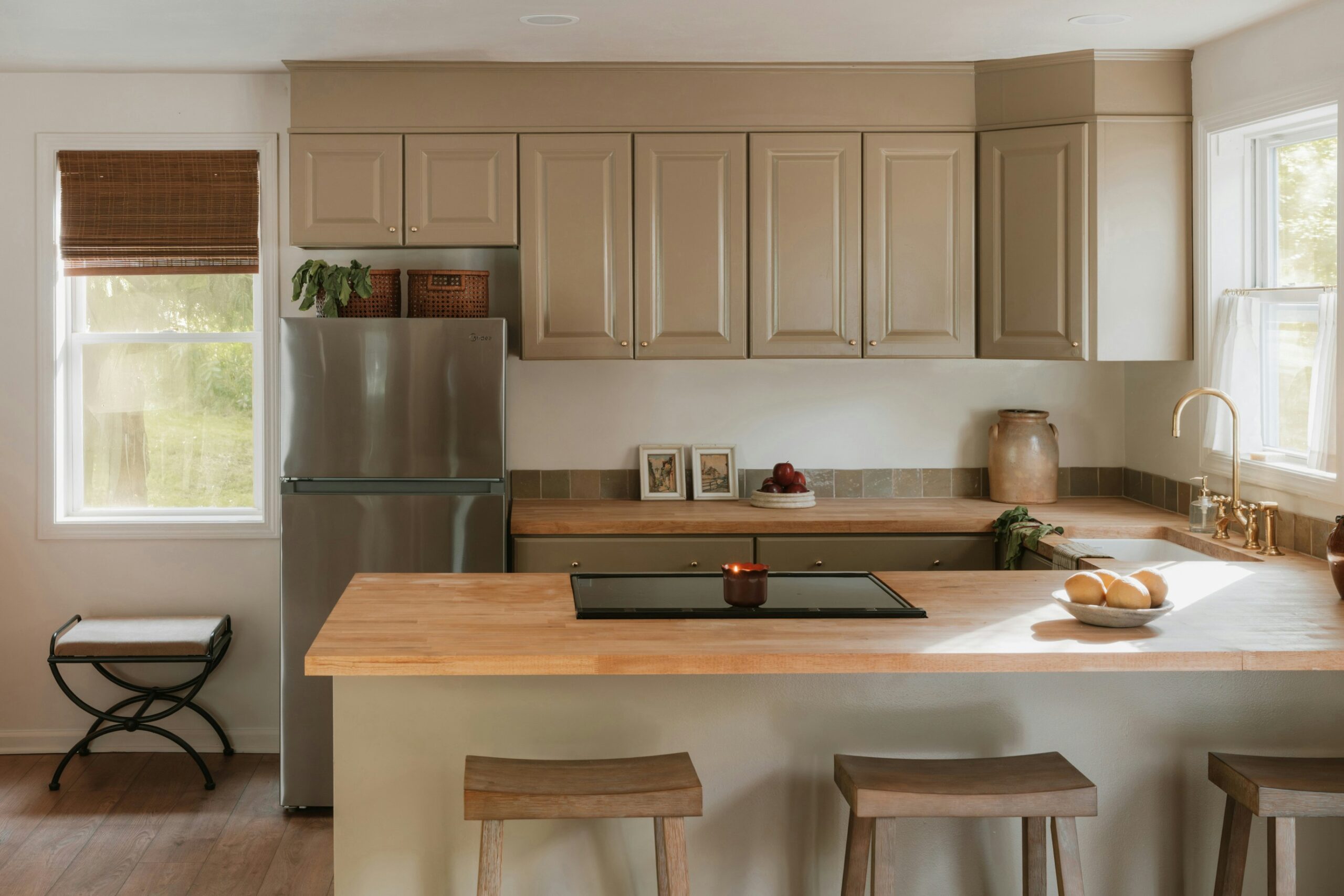
Geography widens the spread further. Within the detached segment alone, CREB reports year-over-year price gains above two per cent in the West and City Centre districts against declines steeper than six per cent in the North East. Row prices fell just over one per cent in the North West and more than 12 per cent in the North East. Measured district by district and type by type, the range inside one city in a single month runs from roughly plus two to minus 12. In Chestermere, months of supply reached nine in August.
The obvious question is whether this is simply what interest rates and a slowing migration picture do to a Prairie housing market. Edmonton’s numbers suggest not.
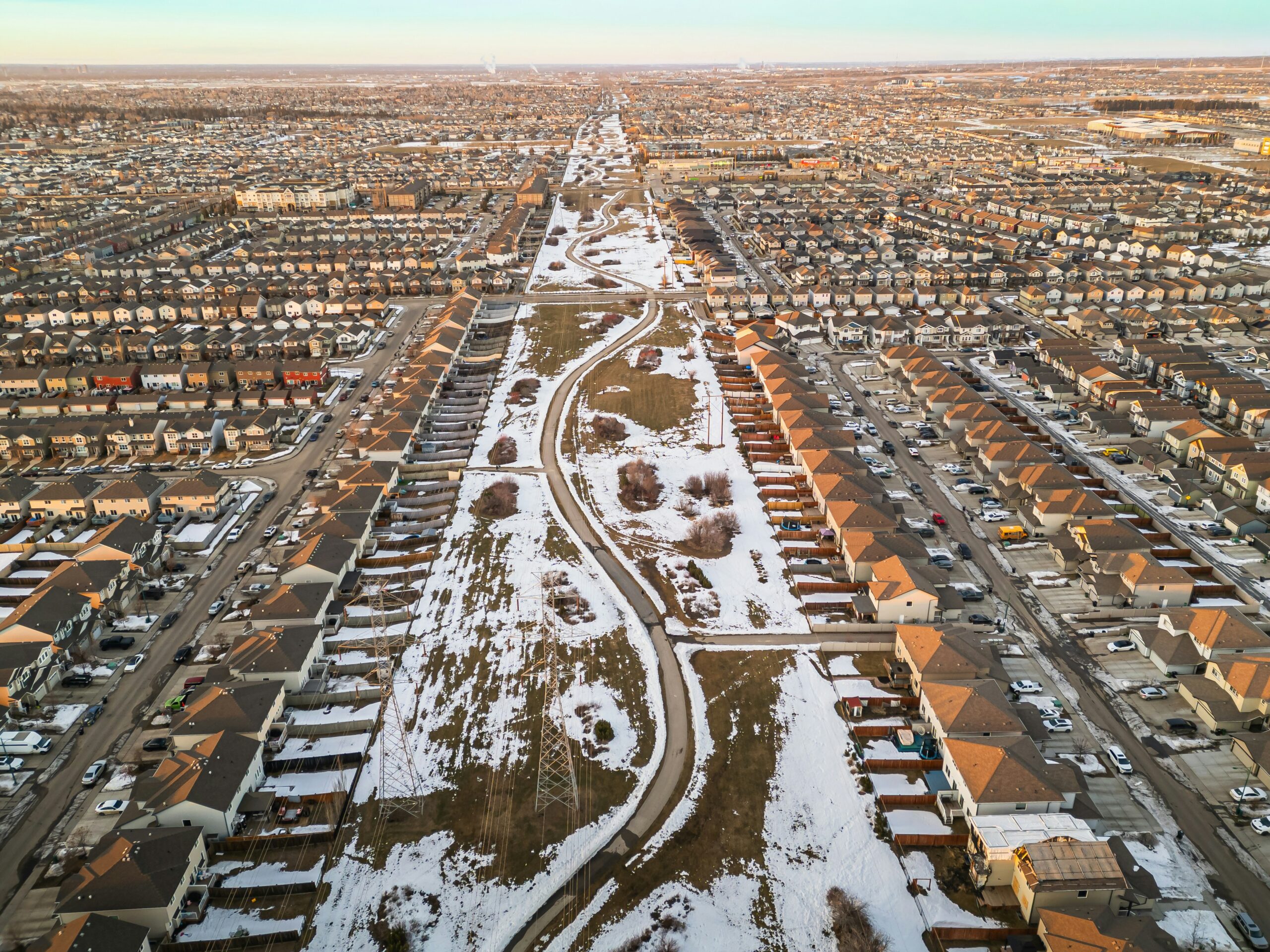
The REALTORS Association of Edmonton reported 2,143 sales in August, down 9.8 per cent year over year, with the Greater Edmonton Area’s MLS Home Price Index composite benchmark at $426,900, down 0.6 per cent from a year earlier. That is a milder composite decline than Calgary’s, in the same province, under the same interest rates and the same national migration slowdown.
The apartment gap is wider still, though the two boards publish different measures and the comparison is not exact. Edmonton’s association reports an average apartment condominium price of $215,422 in August, down 1.2 per cent year over year, an average rather than a benchmark. Calgary’s eight per cent apartment decline is a benchmark figure. Even allowing for that mismatch, the direction and the magnitude differ sharply.
What Calgary has that Edmonton does not, at the same scale, is the pipeline. CMHC’s spring 2026 housing supply report found Calgary set another record for new home construction in 2025, with rental and missing-middle housing leading the growth, the agency said. That construction wave is now completing into the same market where CREB reports nearly six months of apartment supply and slowing sales in the cheapest ownership segment.
That connects back to Lurie’s point. A well-supplied rental market competes directly with the cheapest rung of ownership, which in Calgary is the apartment condominium. Edmonton is seeing inventory build too, 15.1 per cent above August 2025, but without the same completions wave behind it.
“Supply is ample, but unless demand keeps up, we are likely to see downward pressure on prices beyond the usual seasonal patterns,” said Darlene Reid, board chair at the REALTORS Association of Edmonton.
For Calgary buyers, the practical reading is that the one-per-cent headline is close to useless as a guide to any individual purchase. A detached house in the West district and an apartment in the North East are now moving in opposite directions, at a combined spread of more than 10 points a year.
Sources: Calgary Real Estate Board, “Sales and new listings slow in August,” Sept. 1, 2026; REALTORS Association of Edmonton, Sept. 4, 2026; Canada Mortgage and Housing Corporation, Spring 2026 Housing Supply Report.