

Canadians should get Thanksgiving leftovers into the fridge within two hours of cooking, eat them within two to three days and reheat them to an internal temperature of 74 C (165 F), according to Health Canada guidance. Anything left out longer than two hours should be thrown away.
Thanksgiving Monday falls on Oct. 12 this year, and a big meal usually means a lot of leftover turkey, stuffing, potatoes and gravy. The food is only as safe as the way it is handled after dinner, because bacteria multiply quickly at room temperature.
Health Canada’s food safety page on leftovers sets out the basic rules. The steps below follow that guidance in the order a cook would use them once the meal is over.
- Watch the clock. Health Canada says to throw away any cooked food left at room temperature for more than two hours. Start clearing the table before the last helpings are finished so nothing sits out through dessert and coffee.
- Take the meat off the bird. Carve the leftover turkey and pull the meat from the carcass so it cools faster. An archived Health Canada Thanksgiving notice also says to remove all stuffing from the bird right after roasting.
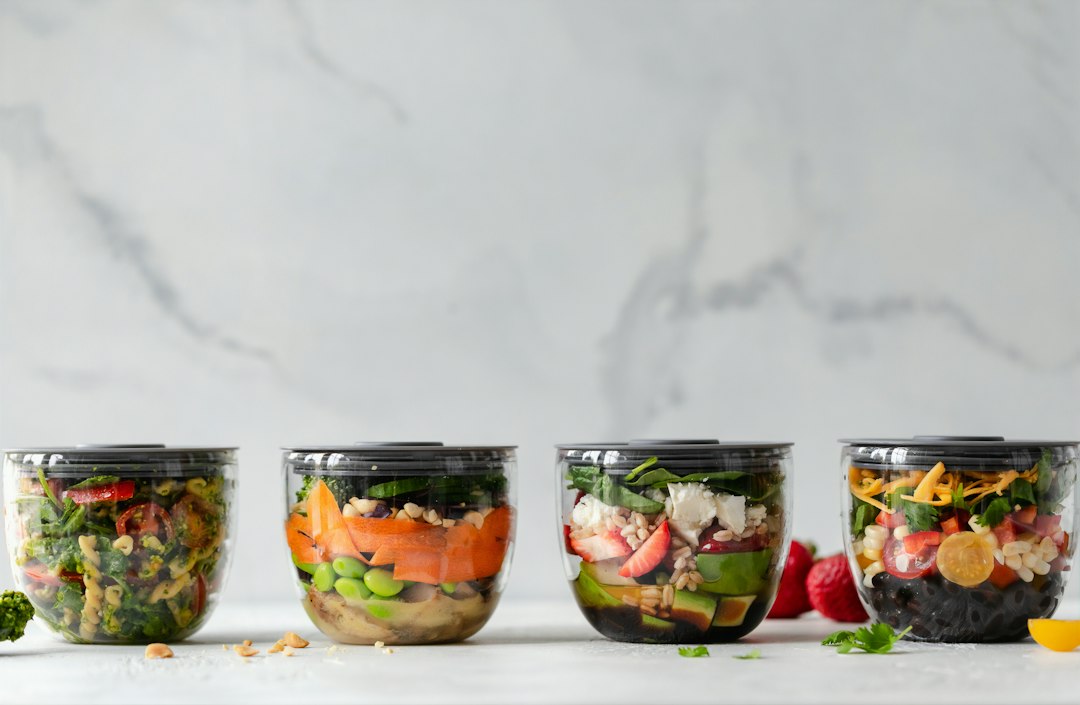
- Use shallow containers. Health Canada says to refrigerate leftovers in uncovered, shallow containers so they cool quickly. Split large amounts of turkey, stuffing, mashed potatoes and vegetables into several smaller containers rather than one deep pot.
- Let steam escape, then chill. Very hot food can cool briefly at room temperature before it goes into the fridge, once it stops steaming. Leave the lids off or wrap the containers loosely until the food is cold. Within two hours of cooking is the target.
- Give the fridge room. Health Canada says not to overfill the refrigerator, so cold air can circulate around the containers.
- Label and set a deadline. Eat refrigerated leftovers within two to three days, or freeze them. Writing the date on each container makes the deadline easy to track. Health Canada does not list a maximum freezer storage time on its leftovers page.
- Thaw the right way. Thaw frozen leftovers in the refrigerator or in the microwave, in sealed containers. Eat or cook thawed leftovers right away, and do not refreeze food that was thawed in the microwave.
- Reheat to 74 C. Heat leftovers to a safe internal temperature of 74 C (165 F) and check it with a digital food thermometer. Bring gravy, soups and sauces to a full, rolling boil, stirring as they heat.
- Know when to toss it. Health Canada says you cannot judge safety by how food looks, smells or tastes. If you are in doubt about a leftover, throw it out.
The same federal guidance notes that fully cooked poultry and potatoes can be eaten cold, as long as they were chilled promptly and are within the two-to-three-day window. Reheated food that is not eaten should be discarded rather than put back in the fridge, the page says.
Households with young children, older adults, pregnant people or anyone with a weakened immune system face a higher risk from food poisoning, so extra care with timing and temperatures matters most at those tables. Local public health units can answer questions about specific situations.
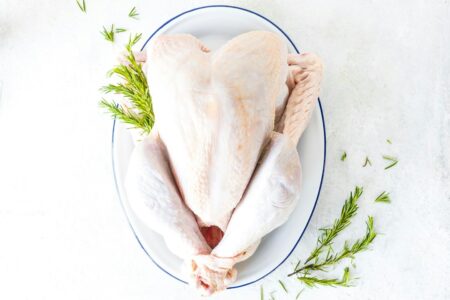
Cooking the bird correctly is the first step. Health Canada advises cooking whole poultry to at least 82 C (180 F) at the thickest part of the breast or thigh, and stuffing to at least 74 C (165 F) if it is cooked separately or inside the bird.
If you find reporting like this useful, consider supporting Canada News Media, an independent Canadian newsroom with no corporate parent.
Sources: Health Canada, Food safety tips for leftovers; Health Canada, Thanksgiving food safety tips (archived, 2017).