


A senior United Nations official said on Oct. 14 that the United States and Iran must agree within weeks to a UN-run scheme for moving fertilizer through the Strait of Hormuz, or farmers will miss the planting season.
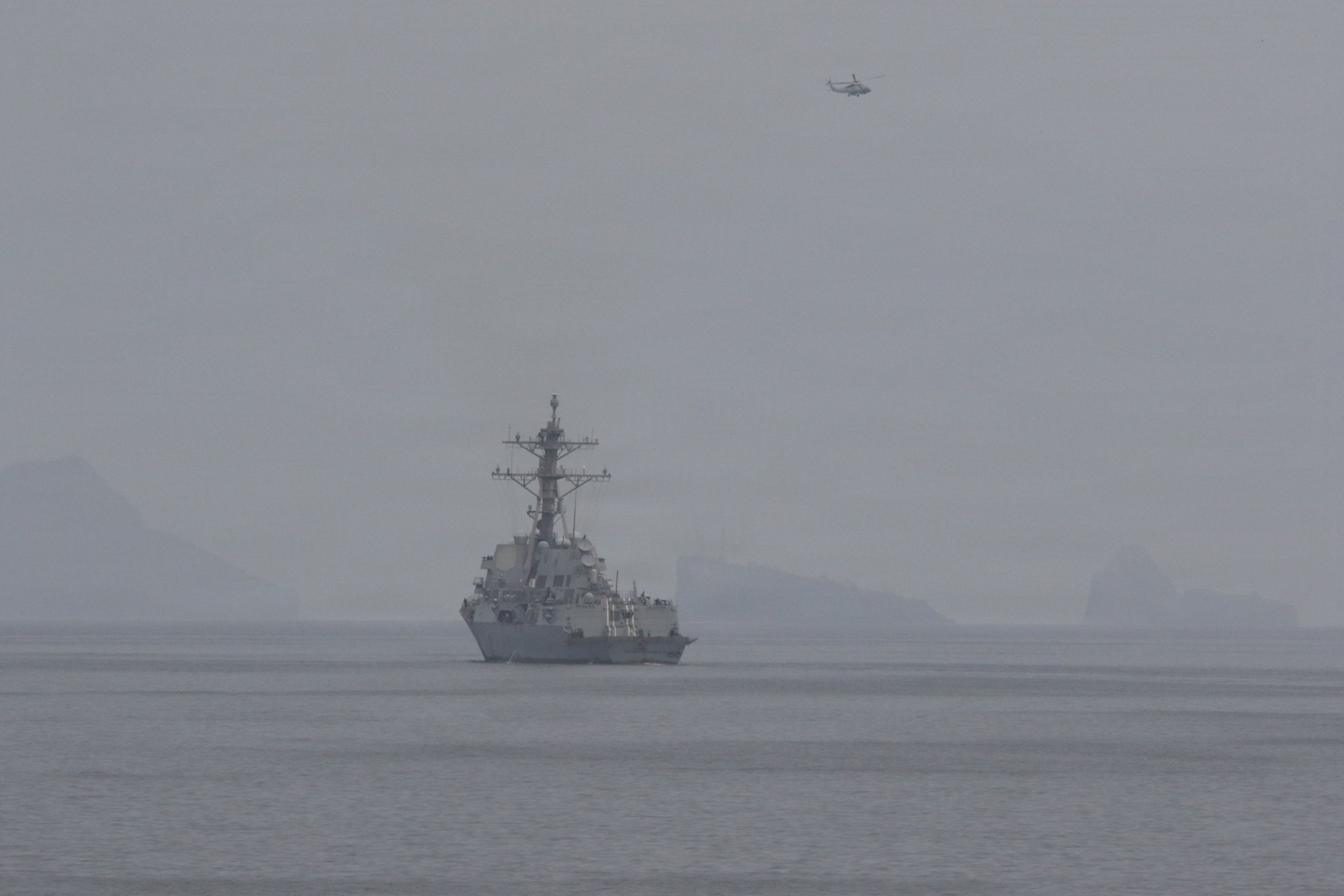
Before the war, about one-third of globally traded urea and nearly half of seaborne sulphur passed through the strait, Reuters reported. The UN plan would let only about five vessels a day through, enough, the official said, to keep fertilizer reaching the countries in greatest need.
Jorge Moreira da Silva, a UN under-secretary-general and executive director of the UN Office for Project Services, said the deal is needed soon. “It’s absolutely crucial to get the deal in the next few weeks. Otherwise, we will miss the planting season,” he told Reuters at the IMF and World Bank meetings in Bangkok.
The scheme was drawn up by a UN taskforce set up in March, Reuters reported. It would create a UN-staffed coordination centre in Oman to register ships, with UN monitors at Gulf ports verifying cargo. Vessels would be tracked in transit, and inspected further if a country raised concerns about a ship or its cargo, Al Jazeera reported.
Moreira da Silva said the mechanism could be switched on within seven to 10 days once both Washington and Tehran agree. He said it could run alongside talks on a broader deal to restore freedom of navigation in the strait. “Let us work, let us do our job,” he said, according to Al Jazeera.
Neither government has accepted it. Iran and the United States have swapped proposals through intermediaries since an interim ceasefire collapsed in June, and talks have stalled over Tehran’s conditions and Washington’s insistence that Iran’s nuclear program be addressed from the outset, Reuters and Al Jazeera reported. Moreira da Silva declined to say what the specific sticking points are on the fertilizer plan.
A U.S. State Department spokesman told Reuters that “the United States will continue to take decisive action against Iran’s attempts to disrupt freedom of navigation.” The White House and Iran’s embassy in Bangkok did not immediately respond to Reuters. Neither outlet quoted a U.S. or Iranian official on the fertilizer plan itself.
The stakes are measurable. An August International Chamber of Commerce report estimated that continued disruption could push prices up by as much as 81 per cent for cereals, 66 per cent for oil crops and 30 per cent for animal products, Reuters reported. The Washington-based International Food Policy Research Institute has said Gulf fertilizer shipments stayed largely halted more than six months into the conflict, and that fertilizer made up a “very negligible” share of the traffic that resumed during the mid-June to mid-July ceasefire.
Moreira da Silva pointed to a “concentration of factors,” including the climate crisis and simultaneous disruption at chokepoints in the Black Sea, the Red Sea and Hormuz. In South Asia, where most farmers rely on imported fertilizer, growers are already struggling with soaring costs and shortages, Al Jazeera reported. The UN Food and Agriculture Organization warned in May that fertilizer scarcity could tighten food supplies from late 2026 into 2027.
For Canadians, the link runs through farms and grocery bills rather than through Hormuz itself. Canada is the world’s largest potash producer, with about 25 million tonnes in 2024, or 32.8 per cent of global output, and it exported about 22.9 million tonnes, or 38.7 per cent of world exports, according to Natural Resources Canada. The UN plan concerns urea and sulphur, not potash.
Nitrogen products are the nutrients most exposed to the Hormuz disruption, Kreg Ruhl of the farm-supply group Growmark told Global News in March. Ontario farmer Ryan Flitton told the network that Canada does not produce all the nutrients farmers need and that most fertilizer made here is sold abroad. Our earlier reporting looked at how a diesel spike could make winter groceries pricier.
Moreira da Silva spoke on the sidelines of the Bangkok meetings, where G20 finance chiefs ended talks with no joint statement. No date has been set for a US-Iran decision on the fertilizer mechanism. Moreira da Silva said only that the window is a matter of weeks.
Via Reuters and Al Jazeera. Canada News Media has not independently verified the shipping figures.
If you find reporting like this useful, consider supporting Canada News Media, an independent Canadian newsroom with no corporate parent.
Follow Canada News Media
Get the day's top Canadian stories and our two daily 60-second news videos wherever you scroll.
X Threads Facebook Instagram LinkedIn TikTok YouTube Pinterest Reddit Substack Flipboard Newsletter RSS