

Iraq’s central bank raised the public price of the US dollar to 1,520 dinars from 1,320 on Oct. 7, 2026, a devaluation of about 15 per cent, as the Iran war and disruption in the Strait of Hormuz cut the oil income that pays for most of the government’s spending.
Oil supplies more than 90 per cent of Iraq’s federal budget, Al Jazeera reported. A weaker dinar gives the government more local currency for each dollar of oil it sells, but it raises the cost of imported food, medicine and goods for households.
The cabinet approved the change on the central bank’s recommendation, the Associated Press reported (via ABC News). The official rate moved to 1,500 dinars per dollar, from about 1,300 to 1,320 depending on the report. The central bank sells dollars to banks at 1,510 and to the public at 1,520, The National reported. The Associated Press said the unofficial market rate was already above 1,600 before the announcement and rose above 1,700 afterward.
The central bank called the move a “strategic step” to stabilize finances, Al Jazeera reported on Oct. 8. Iraqi exports, which mostly pass through the strait, were 2.34 million barrels a day in August, against a pre-war average of 3.6 million, according to the same report. Another Al Jazeera report on Oct. 15 put pre-war exports at about 3.5 million barrels a day. Central bank reserves fell from about $106 billion before the war to about $80 billion by late August, Al Jazeera reported.
Prime Minister Ali al-Zaidi said Iraq had lost about $60 billion in oil revenue, Al Jazeera reported. Al Jazeera said on Oct. 15 that he took responsibility for the devaluation and told parliamentary leaders his other options were to cut salaries by 35 per cent, pay salaries every 45 days or take foreign loans. The National reported that salaries have been delayed in several provinces and that payments to wheat farmers and construction firms have been deferred.
Dozens of members of parliament said in a joint statement they were not told how or why the decision was made, Al Jazeera reported. Hassan al-Asadi of the al-Nahj National Alliance rejected the measure and warned that the widening gap between official and parallel rates could “inflict severe harm on the poor and vulnerable,” Al Jazeera reported. Al Jazeera’s Oct. 8 report did not describe any vote to reverse the change.
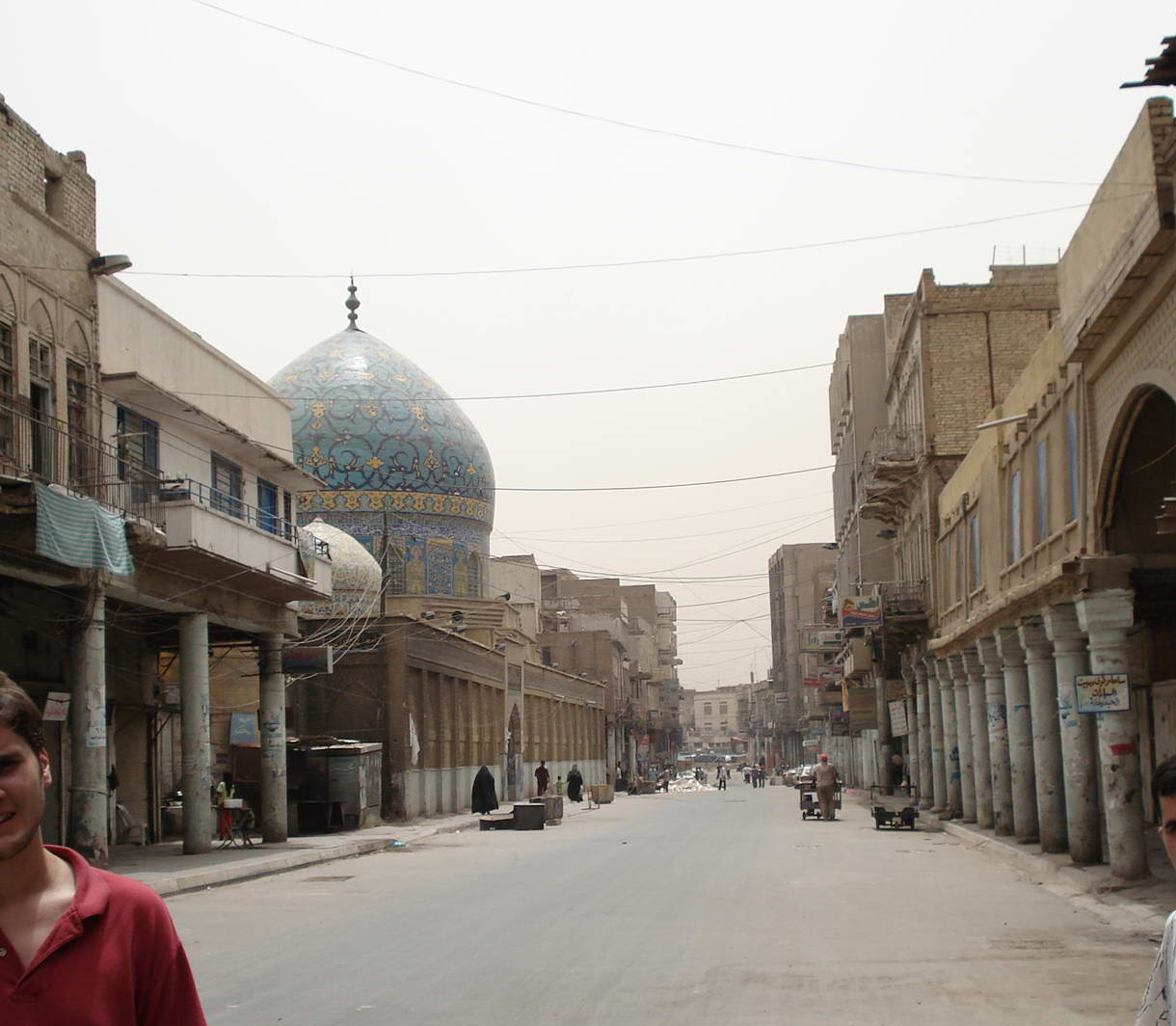
Traders in Baghdad say the effect has been immediate. Hamza al-Rudayni, a food trader in the Jameela market, told Al Jazeera he lost 25 million dinars, about $16,500 at the new rate, and that larger merchants lost billions. Traders buy goods in dollars but must sell in dinars, and many have paused buying and selling until the rate settles, Al Jazeera reported.
Iraq has done this before. The central bank cut the rate from 1,182 to 1,450 per dollar in December 2020 during an oil price crash. Inflation then rose and protests followed in southern provinces, The National reported. The rate was later strengthened to 1,320.
For Canadians, the connection is mainly through travel and family. The Government of Canada’s travel advisory for Iraq, last updated July 23, 2026, says to avoid all travel. People sending money to relatives in Iraq should expect rates to differ widely between the official and parallel markets, which Al Jazeera said most Iraqis rely on to buy dollars. Our report on the IMF’s Middle East outlook covers the wider regional slowdown.
What happens next is not clear. Al Jazeera reported on Oct. 8 that the finance minister and central bank governor were due to appear before parliament, and no reversal has been reported. This story is developing and the figures above come from news reports, not from the central bank’s own notice, which we did not see.
Via Al Jazeera, Al Jazeera (Oct. 8), The Associated Press via ABC News and The National.
If you find reporting like this useful, consider supporting Canada News Media, an independent Canadian newsroom with no corporate parent.
Follow Canada News Media
Get the day's top Canadian stories and our two daily 60-second news videos wherever you scroll.
X Threads Facebook Instagram LinkedIn TikTok YouTube Pinterest Reddit Substack Flipboard Newsletter RSS