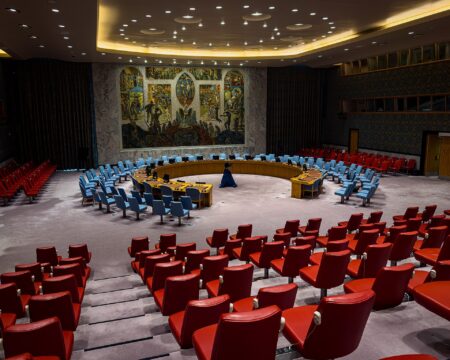

EU leaders opened a two-day summit in Brussels on Oct. 15 divided over how to answer a record €360-billion trade deficit with China, high energy prices and a 2028-2034 budget that still has no deal.
Updated Oct. 15, 2026. This story is developing and will change when summit conclusions are published.
The stakes are concrete: Reuters reported that the bloc’s goods deficit with China hit €360 billion in 2025 and is on track to exceed that this year, while a senior EU diplomat told the news agency that “every month that goes by, thousands of jobs are lost.” The European Council’s agenda also lists energy prices, the budget, Ukraine, defence, migration and enlargement.
On China, leaders met about a week after the European Commission struck a preliminary deal with Beijing to limit hybrid-car imports. Euronews reported the deal, announced Oct. 9 by trade chief Maroš Šefčovič, allows 350,000 Chinese hybrid cars a year over four years and eases China’s rare-earth export licensing. Officials call it a first phase, with more negotiating rounds expected in January and March, Euronews said.
Reuters reported that draft conclusions ask the Commission to keep talking with Beijing, use existing trade-defence tools and create new trade instruments. France and Germany want faster action on chemicals and PET plastic imports and quicker retaliation against countries that harm the bloc. Beijing says the EU is exaggerating economic imbalances as a pretext for protectionism, Reuters reported.
Energy prices are the second fault line. Euronews reported that oil remains above US$100 a barrel despite a coordinated G7 stock release, and that Italy and Greece want fiscal rules relaxed so governments can cap prices with temporary, targeted measures. Fiscally cautious states warn that would add to deficits. Reuters reported that Czechia and Italy want the Emissions Trading System, the EU’s carbon-permit market, weakened or suspended, while the prime ministers of Finland, Sweden and Denmark wrote a letter warning that “any weakening” would hinder investment in clean industry. The draft conclusions back a Commission proposal to delay methane rules for oil and gas imports by one year.
The budget is the hardest file. According to Euronews, the European Parliament wants about €1.9 trillion over seven years, while an Irish compromise stands near €1.6 trillion. Six net-contributor states and 17 states seeking more cohesion funding are far apart. German Chancellor Friedrich Merz said, according to Reuters, “We are, therefore, facing very, very difficult negotiations.” Euronews said Council President António Costa wants unanimous agreement by year-end. Reuters reported a special summit is planned for late November. The Council’s calendar lists an informal leaders’ meeting on Nov. 13 and the next formal summit on Dec. 17 and 18.
Ukraine moves to the front on Friday, Oct. 16, when Ukrainian President Volodymyr Zelenskyy joins leaders to discuss Kyiv’s 2027 funding needs. Reuters reported the draft conclusions express regret over a U.S. decision to temporarily lift sanctions on Russian diesel. Merz rejected a reported U.S. proposal, first reported by the Financial Times, to move some frozen Russian state assets into a U.S.-overseen vehicle. “These are assets that are frozen in Europe, and they should remain frozen in Europe,” he said, according to Reuters.
For Canadians, the main link is energy. The same price pressure that is lifting European fuel costs is showing up in Canadian oil markets, as in our report on the widening Western Canadian Select discount. The Hub reported on Sept. 19 that Prime Minister Mark Carney has pitched a Canada-EU energy alliance, though analysts told the outlet no Atlantic infrastructure exists yet to deliver it. Canada has not issued a statement on this week’s summit, and none was found.
Two of our earlier reports set the stage: the China trade debate ahead of the meeting and the Ukraine accession clusters opened on Oct. 13.
Via Euronews, Reuters (carried by Cyprus Mail) and the Council of the European Union. Summit conclusions had not been published when this story was written, and figures differ between outlets: Euronews cited both €360 billion and an expected €400 billion for the China deficit.
If you find reporting like this useful, consider supporting Canada News Media, an independent Canadian newsroom with no corporate parent.
Follow Canada News Media
Get the day's top Canadian stories and our two daily 60-second news videos wherever you scroll.
X Threads Facebook Instagram LinkedIn TikTok YouTube Pinterest Reddit Substack Flipboard Newsletter RSS