


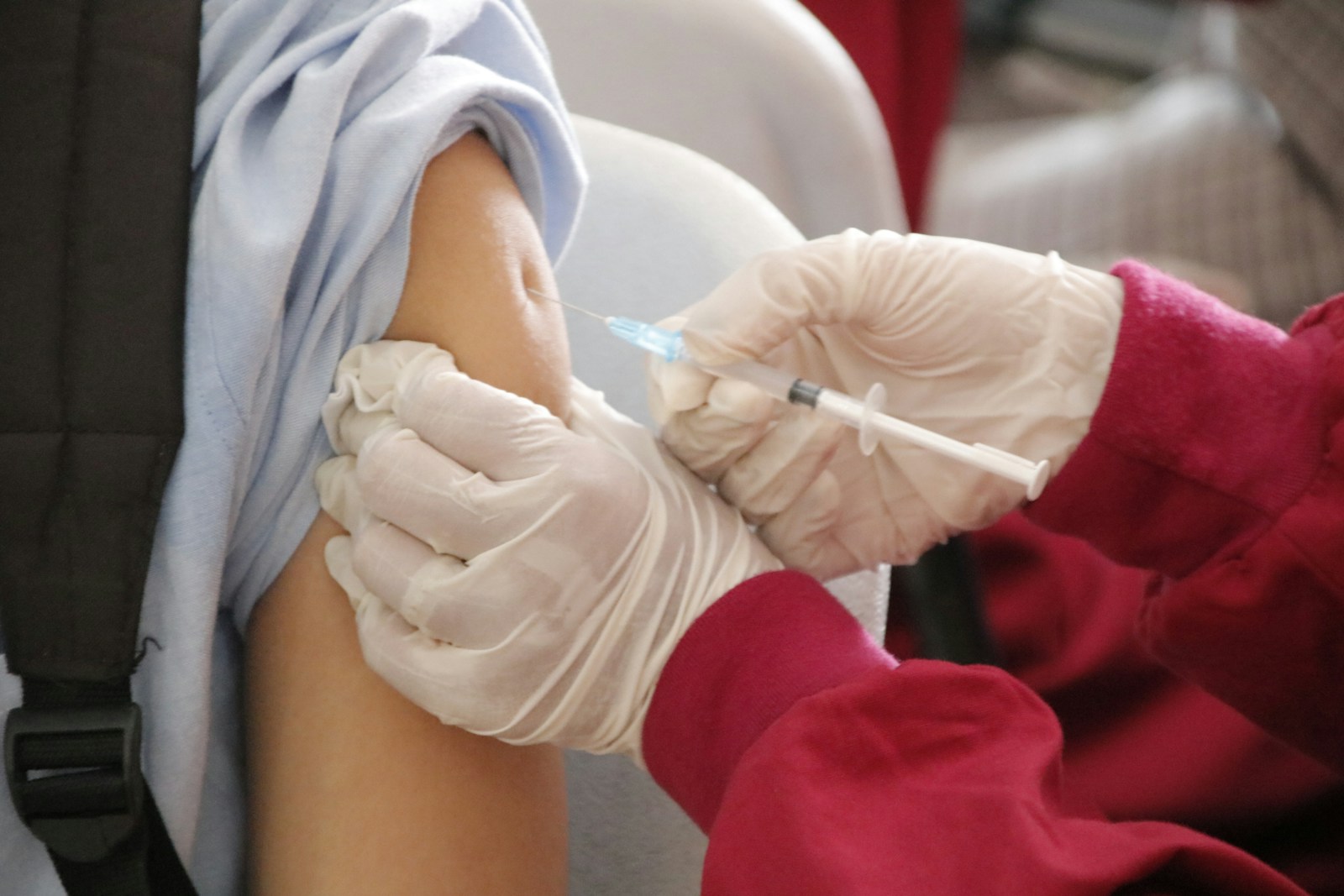
Canada’s school-age tetanus, diphtheria and whooping cough booster is given in Grade 6 in Nunavut, Grade 7 in four jurisdictions, Grade 8 or 9 in the Prairies and Grade 9 in British Columbia, according to the Public Health Agency of Canada’s provincial and territorial schedule, last updated in July 2026.
Adults need a tetanus-diphtheria (Td) booster every 10 years, said the agency’s Canadian Immunization Guide chapter on tetanus toxoid, updated in June 2026. Many adults skip it simply because nobody reminds them.
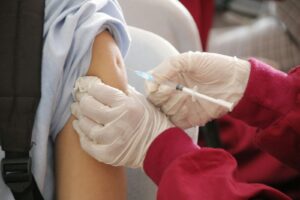
The shot given in school is called Tdap. It protects against tetanus, diphtheria and pertussis, also known as whooping cough. Quebec uses a Td version in secondary school instead. A separate booster, called Tdap-IPV because it also covers polio, is given to children before they start school.
School and preschool boosters by province and territory
The table below reflects what the federal agency lists for each jurisdiction. Local health units can run clinics on different dates within a school year, so check your own school or public health site for timing.
| Province or territory | School-age booster | Preschool booster |
|---|---|---|
| British Columbia | Tdap, Grade 9 | Age 4 to 6 |
| Alberta | Tdap, Grade 9 | Age 4 |
| Saskatchewan | Tdap, Grade 8 | Age 4 to 6 |
| Manitoba | Tdap, Grade 8 or 9 | Age 4 to 6 |
| Ontario | Tdap, age 14 to 16 | Age 4 to 6 |
| Quebec | Td, third year of secondary school | Age 4 to 6 |
| New Brunswick | Tdap, Grade 7 | Age 4 |
| Nova Scotia | Tdap, Grade 7 | Age 4 to 6 |
| Prince Edward Island | Tdap, Grade 9 | Age 4 to 5 |
| Newfoundland and Labrador | Tdap, Grade 7 and 8 | Age 4 to 6 |
| Yukon | Tdap, age 14 to 16 (Grade 9) | Age 4 to 6 |
| Northwest Territories | Tdap, Grade 7 | Age 4 to 6 |
| Nunavut | Tdap, Grade 6 | Age 4 to 6 |
The agency notes that in Newfoundland and Labrador and the Northwest Territories, a combined vaccine that also covers Haemophilus influenzae type b can be substituted for the preschool dose during shortages in children aged 4 to 6.
Several provinces publish their own details. Alberta explains the shot on its MyHealth Alberta Tdap page, and Manitoba has a Tdap fact sheet. In other provinces, your local public health unit or school nurse is the place to ask.
Adults
The immunization guide says a Td booster is recommended every 10 years. It also says adults who have never had an adult dose that includes pertussis should get one Tdap dose, no matter how long ago their last tetanus and diphtheria shot was.
Adults who were never vaccinated, or who have had fewer than three doses, are advised to start a primary series. The guide describes one Tdap-IPV dose first, a second tetanus-containing dose four to eight weeks later and a third dose six to 12 months after the second.
Tdap during pregnancy is covered separately. The agency says it is safe and effective at protecting newborns from whooping cough and tetanus, and we explained the national advice in our report on a whooping cough shot in every pregnancy.
Cuts and wounds
Tetanus bacteria live in soil and can enter the body through broken skin. For people who have had at least three doses, the guide says a clean, minor wound calls for a booster only if 10 or more years have passed since the last one. For all other wounds, a booster is advised if five or more years have passed.
People with unknown or incomplete vaccination histories are handled differently, and may also need an antibody treatment called tetanus immune globulin for wounds that are not clean and minor. That decision is made by a health professional, which is why it is worth knowing your last booster date before you need to ask.
Parents may also want to see how the school booster fits with other vaccines given around the same age. Our guides cover the HPV vaccine in schools, the meningococcal vaccine and the measles vaccine schedule, each by province.
To find your own record, check your provincial immunization record or yellow card, ask your doctor’s office or call your local public health unit. Pharmacists in many provinces can give adult boosters, though rules and costs vary.
This article is based on official guidance from the Public Health Agency of Canada and is provided for general public information. It’s not a substitute for medical advice, if you have questions about how this applies to you, talk to your doctor or pharmacist.
If you find reporting like this useful, consider supporting Canada News Media, an independent Canadian newsroom with no corporate parent.
Sources: Public Health Agency of Canada, provincial and territorial routine vaccination programs for infants and children; Canadian Immunization Guide, tetanus toxoid.
Follow Canada News Media
Get the day's top Canadian stories and our two daily 60-second news videos wherever you scroll.
X Threads Facebook Instagram LinkedIn TikTok YouTube Pinterest Reddit Substack Flipboard Newsletter RSS