

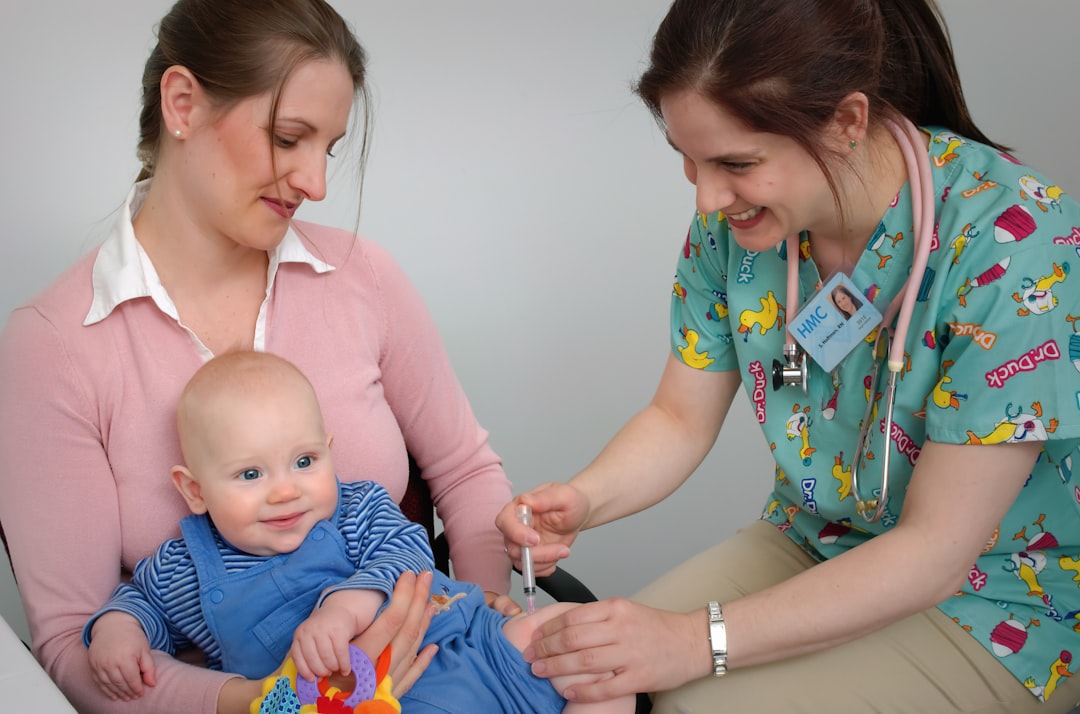
Canada’s provinces and territories give children two doses of chickenpox vaccine, usually as the combined MMRV shot at 12 and 18 months, according to the Public Health Agency of Canada’s table of provincial and territorial schedules, last updated Aug. 7, 2026.
The national recommendation, set out in the Canadian Immunization Guide, is two doses for healthy children from 12 months to under 13 years. The first dose is given at 12 to 15 months and the second at 18 months or later, no later than around school entry. The guide recommends a three-month interval between doses and says no booster is needed after the second.
Four vaccines are authorized: VARIVAX III and VARILRIX contain only the chickenpox vaccine, while PRIORIX-TETRA and ProQuad combine it with measles, mumps and rubella (MMRV). Provinces began routine one-dose chickenpox programs between 2000, in Prince Edward Island, and 2007, in Yukon, and have since moved to two doses.
Families who are not sure whether a child is up to date can check their immunization record or ask a public health nurse. The sections below summarize each jurisdiction as listed by the agency. Our earlier guide to the measles vaccine schedule by province covers the same MMR shots from a different angle.
British Columbia
B.C. lists a chickenpox (varicella) vaccine at 12 months, with a combined MMRV dose at age four to six. Details are in HealthLinkBC’s chickenpox vaccine file.
Alberta
Alberta gives the combined MMRV vaccine at 12 and 18 months. Since Jan. 1, 2021, the first dose has been given at 12 months and the second at 18 months, and doses given before 12 months do not count toward the two, the province said on MyHealth.Alberta.ca. Health Link at 811 can help with booking.
Saskatchewan
Saskatchewan gives MMRV at 12 and 18 months. The province posts its when to get immunized schedule online.
Manitoba
Manitoba gives MMRV at 12 months and again at age four to six. See the provincial routine immunization schedules.
Ontario
Ontario lists a chickenpox vaccine at 15 months, followed by an MMRV dose at age four to six. Ontario’s schedule is summarized in the federal table linked above, and local public health units can confirm how to book.
Quebec
Quebec gives MMRV at 12 and 18 months. A footnote in the federal table also points to a catch-up program in the third year of secondary school for missed vaccines, including those against measles, mumps, rubella and chickenpox. Quebec explains the combined vaccine on its website.
New Brunswick
New Brunswick gives MMRV at 12 and 18 months. The province has a page on the MMRV vaccine.
Nova Scotia
Nova Scotia gives MMRV at 12 and 18 months. The federal table linked above is the quickest way to confirm the schedule, and 811 can point families to a local public health office.
Prince Edward Island
P.E.I. gives MMRV at 12 and 18 months. The province posts childhood immunization information online.
Newfoundland and Labrador
Newfoundland and Labrador gives MMRV at 12 and 18 months. Provincial schedules are on the immunizations page.
Yukon
Yukon lists a chickenpox vaccine at 12 months and an MMRV dose at age four to six. The territory describes its program on a varicella vaccine page.
Northwest Territories
The Northwest Territories gives MMRV at 12 and 18 months. The territory explains the MMRV vaccine online.
Nunavut
Nunavut gives MMRV at 12 and 18 months and also lists a catch-up program in Grade 6. The federal table defines catch-up as a time-limited measure for a specific age group.
In the federal table, most provinces show the standalone chickenpox vaccine as “not publicly funded” and list the combined MMRV vaccine instead. Check with your province or territory for how each dose is delivered.
Older children and adults can still be vaccinated. The immunization guide says adolescents aged 13 to under 18 should get two doses of the chickenpox-only vaccine, at least four weeks apart. Adults under 50 who are not immune are also advised to get two doses. People 50 and older are generally presumed immune, and the guide says only those known to be susceptible should be vaccinated.
The guide lists pregnancy and a severe allergic reaction to a previous dose or a vaccine component as reasons not to vaccinate. It says susceptible people should be vaccinated after giving birth. Anyone with a weakened immune system should ask a doctor first, because the combined MMRV vaccine is not recommended in that case.
Other vaccine schedules we have compared by province include meningococcal, HPV in schools, tetanus boosters and the 2026 flu shot guide.
This article is based on official guidance from the Public Health Agency of Canada and is provided for general public information. It’s not a substitute for medical advice, if you have questions about how this applies to you, talk to your doctor or pharmacist.
If you find reporting like this useful, consider supporting Canada News Media, an independent Canadian newsroom with no corporate parent.
Sources: Provincial and territorial routine and catch-up vaccination schedule for infants and children in Canada, Public Health Agency of Canada; Varicella (chickenpox) vaccines: Canadian Immunization Guide, Public Health Agency of Canada; Varicella vaccine, MyHealth.Alberta.ca.
Follow Canada News Media
Get the day's top Canadian stories and our two daily 60-second news videos wherever you scroll.
X Threads Facebook Instagram LinkedIn TikTok YouTube Pinterest Reddit Substack Flipboard Newsletter RSS