


The safest way to de-ice a driveway or walkway is to shovel the snow first, apply a small amount of salt only where you need it, and switch to sand when temperatures drop too low for salt to work. Peel Region says salt only melts ice and snow at temperatures above -10 C, so a bag of rock salt will do little on the coldest mornings of a Canadian winter.
Fall is the time to get ready, before the first freezing rain arrives. Buying supplies now and knowing the limits of each product helps you avoid slips and keeps unnecessary salt out of the places it does not need to go. The steps below draw on guidance from Peel Region, the City of Saint John and a B.C. snow and ice removal expert.
Tools and materials: a snow shovel or pusher, rock salt (sold as driveway salt), coarse sand or non-clumping kitty litter for traction, a scoop, and boots with good treads.
Step 1: Check the forecast and the temperature
Timing matters more than quantity. The City of Saint John advises against putting salt or sand down before rain, because the rain will wash it away. Wait until the rain has stopped, or apply it as snow or freezing rain begins.
Sources give slightly different cold limits for salt. Egan Davis, a snow and ice removal expert who teaches horticulture at the University of British Columbia, told CBC News that road salt works best above -5 C, while Peel Region puts the cutoff at -10 C. If your thermometer reads colder than that, plan on traction rather than melting.
Step 2: Pre-treat if ice is forecast
Peel Region says that before snow falls or temperatures reach freezing, you can spread a small amount of salt on the driveway to keep ice and snow from bonding to the surface. Use only a small amount, because a thin, even layer is enough.
Step 3: Shovel the snow first
Clear snow from driveways and walkways as soon as possible to prevent ice from building up. Peel Region says to apply salt only after the snow is removed, and only where it is needed for safety, such as steps, the path to the door and the foot of the driveway.
Avoid piling snow where it can melt onto paved areas and refreeze. Pile it on the lawn or a garden bed away from the walkway instead.
Step 4: Spread salt sparingly
Davis suggested about a handful of salt per square metre for homeowners, and said that if you hear crunching under your boots as you walk, you have likely used too much. Bagged products vary, so follow the rate on the label. Salt needs to mix with or sink into the ice to work, and Saint John notes that sun, foot traffic and vehicles help the melting get started.
Wait a little while and check the surface. If ice remains once the salt has had time to work, scrape or shovel the loosened slush away rather than simply adding more.
Step 5: Use sand when it is too cold for salt
Sand does not melt ice, but it gives your boots and tires grip. Peel Region lists sand, grit, non-clumping kitty litter and magnesium chloride as options when it is too cold for salt, and says they add traction to prevent slips and falls. Saint John says to choose grittier sand, because the grittier it is, the better it works, and to spread it directly on top of icy patches.
Expect to reapply. Saint John notes that sand becomes less effective once it has been ground into the ice. You can also combine sand with salt if you want both traction and some melting.
Step 6: Stop ice from forming in the first place
Peel Region recommends cleaning and repairing eaves troughs, clearing storm drains, and pointing downspouts away from driveways and walkways so water does not freeze on them. Cleaning eaves troughs means working at height, so consider hiring a professional rather than climbing a ladder in cold weather.
Outdoor taps are another source of icy patches and burst pipes. Our guide on how to winterize outdoor faucets in Canada covers that step by step.
Step 7: Protect yourself on the way out
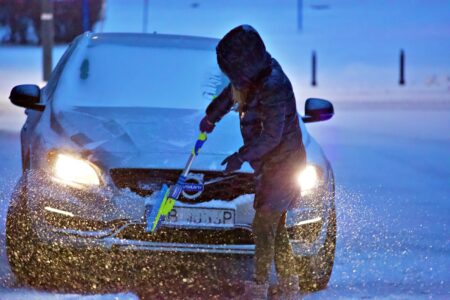
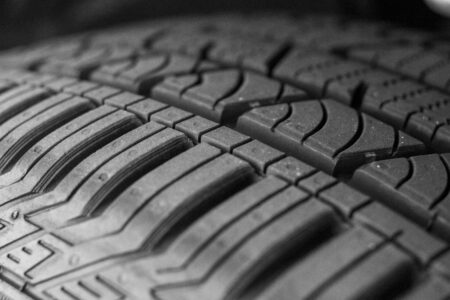
Wear boots with good treads and consider ice grippers for shoes and boots. Peel Region also suggests winter tires, slower speeds and extra travel time. Our overview of winter tire laws by province for 2026-27 explains where they are required, and a separate guide shows how to defrost a car windshield fast before you head out.
If you hire someone to clear your driveway, Peel Region suggests choosing a contractor certified by Smart About Salt.
The short version is to shovel early, salt lightly and keep sand on hand for the coldest days. Salt only works within a limited temperature range, and more of it does not make it work in colder weather.
If you find reporting like this useful, consider supporting Canada News Media, an independent Canadian newsroom with no corporate parent.
Sources: Region of Peel, City of Saint John, CBC News.
Follow Canada News Media
Get the day's top Canadian stories and our two daily 60-second news videos wherever you scroll.
X Threads Facebook Instagram LinkedIn TikTok YouTube Pinterest Reddit Substack Flipboard Newsletter RSS