

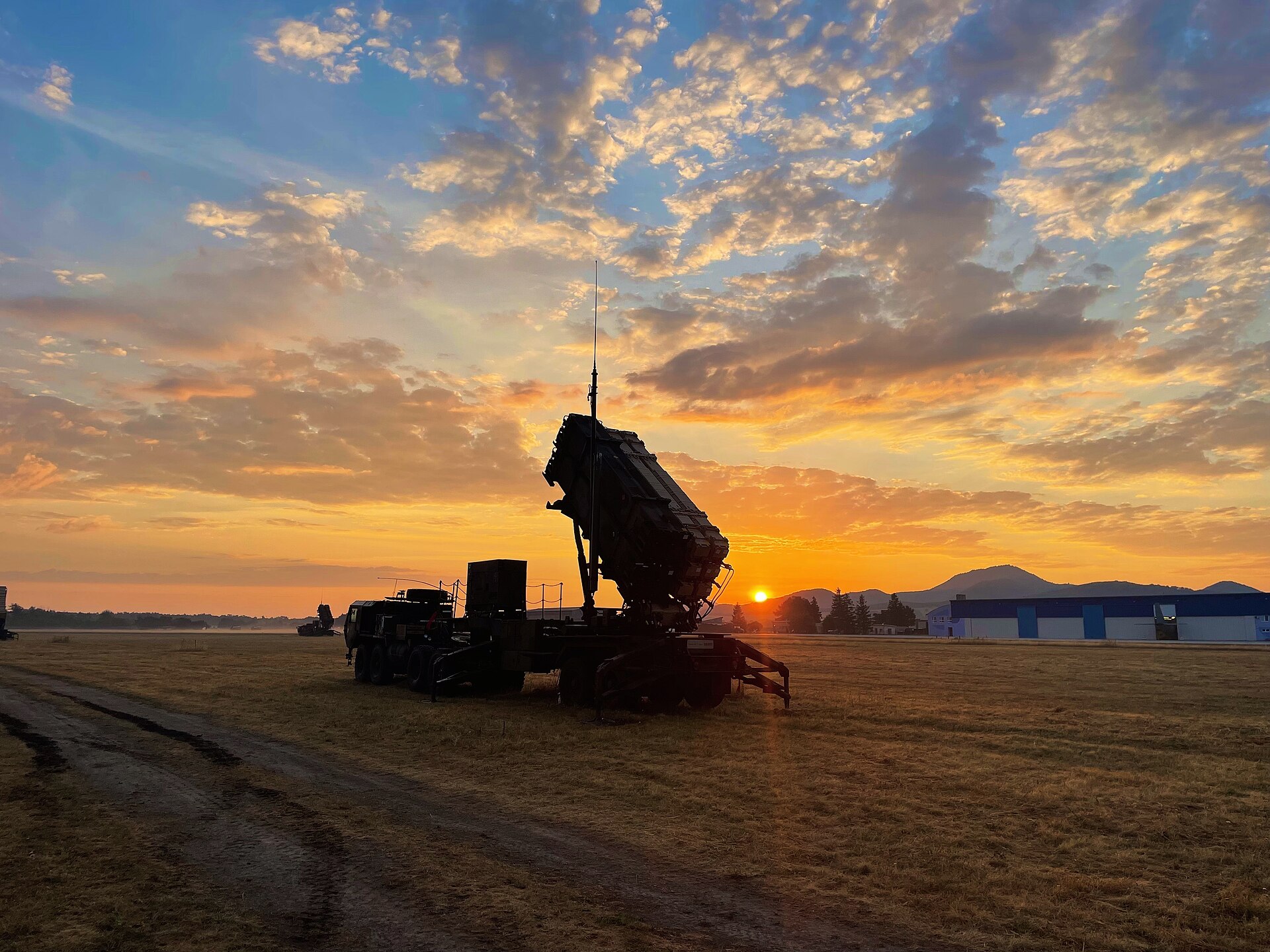
Ukrainian President Volodymyr Zelensky said Oct. 19 that the United States is delaying Patriot air-defence missiles that NATO allies have already paid for, as Russia fired ballistic missiles at Kyiv for a second day.
Zelensky said in a Bloomberg interview over the weekend that Washington now supplies only about 12 Patriot interceptors a month, roughly a quarter of the rate under the previous U.S. administration. The U.S. government has not confirmed that figure.
“The American side approved the delivery of only some of them, but not the rest,” Zelensky said of the missiles bought through the Prioritized Ukraine Requirements List, known as PURL, a NATO-coordinated mechanism that lets allies pay for U.S.-made weapons for Ukraine. “And this is not a technical issue,” he said.
The Kyiv Independent reported Oct. 19 that U.S. Defense Secretary Pete Hegseth has not approved the transfer of a significant batch of interceptors, citing a senior Ukrainian official and two Ukrainian military officers who spoke on condition of anonymity. “Hegseth has the contracts for Patriot missiles on his desk. He is not signing off on them,” the senior official said. Another Ukrainian official said: “It looks like this is a political refusal to sign.”
The Pentagon did not respond to the Kyiv Independent’s request for comment. A U.S. government official disputed the claims, calling them “not true,” the outlet reported. A NATO official said support through PURL “continues to flow,” including air defence, and another acknowledged some shipments could be delayed but said political reasons were unlikely. The size of the batch has not been made public, and Kyiv does not disclose its interceptor stocks.
The Washington Post, as relayed by the market-news site investingLive, reported Oct. 19 that U.S. officials said the Trump administration has not approved the Patriot transfers. We could not read the Post’s original report, so that account is secondhand.
Patriot batteries are Ukraine’s main defence against ballistic missiles. By mid-October stocks were again critically low, with a Ukrainian official telling the Washington Post that only a handful remained and CNN reporting that available missiles had been exhausted, according to the Kyiv Independent. Russia launched ballistic missile attacks on Kyiv on Oct. 18 and Oct. 19, and at least one person was killed in the first.
Zelensky also said he has offered a trade. “We don’t target Russian diesel, you give us missiles for Patriot systems to protect our facilities,” he said. Reports say the Trump administration has demanded that Ukraine stop striking Russian oil refineries and has threatened to restrict military and intelligence support unless it does. The U.S. has not publicly explained the delay.
The dispute comes days after U.S. President Donald Trump signed an order waiving Russia-related sanctions and tariffs, which Zelensky said would only help Russia. Trump waived 100 per cent tariffs on top buyers of Russian oil on Oct. 17, and Russian strikes have left hundreds of thousands of Ukrainian households without power, as we reported Oct. 14.
For Canada, the dispute matters because Ottawa is a NATO ally and a G7 partner that has announced its own Russia sanctions alongside Zelensky. Prime Minister Mark Carney announced new sanctions against Russia at a G7 meeting with him in June. Canada’s own contributions to PURL were not part of the reporting reviewed for this story. Claims about battlefield and stockpile conditions come from Ukrainian officials and cannot be independently verified.
Via The Kyiv Independent and investingLive. Read the original reporting on the Kyiv Independent.
If you find reporting like this useful, consider supporting Canada News Media, an independent Canadian newsroom with no corporate parent.
Follow Canada News Media
Get the day's top Canadian stories and our two daily 60-second news videos wherever you scroll.
X Threads Facebook Instagram LinkedIn TikTok YouTube Pinterest Reddit Substack Flipboard Newsletter RSS