


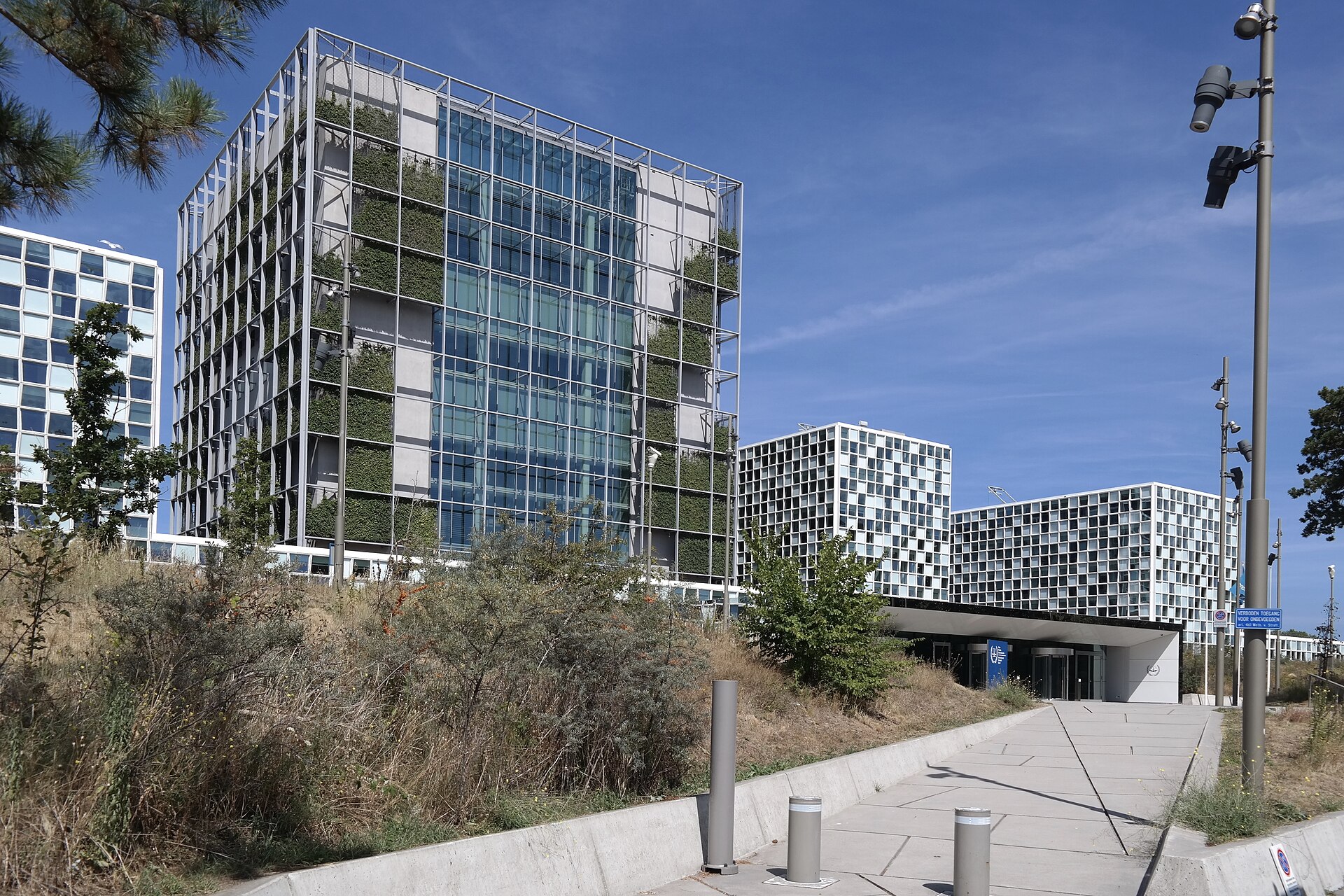
The European Parliament awarded its 2026 Sakharov Prize for Freedom of Thought to the International Criminal Court and its officials on Oct. 22, two weeks after the United States imposed sanctions on the court.
Parliament President Roberta Metsola announced the decision in Strasbourg, France, in a statement that followed a decision by the Conference of Presidents, the body of Parliament’s political group leaders. The court is based in The Hague, Netherlands.
“The European Union is built on respect for multilateralism and international institutions, and this prize recognises the important work of the Court in upholding international law and justice,” Metsola said.
The prize was contested. Euronews reported that the group leaders chose the court over two other shortlisted candidates, Tanzanian opposition lawyer Tundu Lissu and Iranian sisters Taraneh and Romina Rahimi. The Socialists and Democrats nominated the ICC. The centre-right European People’s Party and the European Conservatives and Reformists backed Lissu, while Renew Europe, the Greens and The Left backed the court.
The decisive move came from the far-right Patriots for Europe group. Its co-leader Kinga Gal had backed the Rahimi sisters but abstained, which let the ICC win a relative majority, Euronews reported. Without that abstention, a runoff between Lissu and the ICC would have followed. Vote totals were not published in the reports reviewed.
Metsola also named Lissu, who she said is imprisoned and has worked for free and fair elections in Tanzania, and the Rahimi sisters, who she said speak on behalf of all those persecuted by the Iranian regime. “They are all now part of our Sakharov family,” she said.
French Socialist member of the European Parliament Chloe Ridel, who nominated the court, called the choice “a message of hope and resistance sent to Donald Trump,” Euronews reported.
The award follows sanctions that U.S. Secretary of State Marco Rubio announced on Oct. 9. As Canada News Media reported, the measures target the court itself, freezing its assets in the United States and giving American companies and individuals six months to end dealings with it. “We will ban transactions with this rogue court,” Rubio said, according to Euronews. Euronews reported that the Trump administration has criticized the court over its arrest warrant for Israeli Prime Minister Benjamin Netanyahu and its investigation into U.S. troops in Afghanistan.
EU foreign policy chief Kaja Kallas said attacks or threats against the court “are not acceptable,” and the European Commission called the sanctions “deeply regrettable.” Euronews reported that the EU has yet to take concrete action, and that members of the European Parliament have urged Commission President Ursula von der Leyen to use the bloc’s Blocking Statute, a law that shields European companies from the effect of certain foreign sanctions.
For Canada, the award lands a week before the Canada-EU summit in Montreal, set for Oct. 29 and 30. Canada is a state party to the Rome Statute, the treaty that created the court. The sources reviewed contained no Canadian government statement on the prize or on the U.S. sanctions.
The award ceremony will take place in Strasbourg during Parliament’s December plenary session, Metsola said. The date has not been announced, and the amount of the prize money was not stated in the reports reviewed.
If you find reporting like this useful, consider supporting Canada News Media, an independent Canadian newsroom with no corporate parent.
Via the European Parliament and Euronews.
Follow Canada News Media
Get the day's top Canadian stories and our two daily 60-second news videos wherever you scroll.
X Threads Facebook Instagram LinkedIn TikTok YouTube Pinterest Reddit Substack Flipboard Newsletter RSS