
Josiah Henson, born into slavery in Maryland, crossed the Niagara River into Upper Canada on Oct. 28, 1830, ending an escape from Kentucky with his wife and four children, according to the Dictionary of Canadian Biography and The Canadian Encyclopedia.
The date falls two days from now, 196 years on. Henson is best remembered as the founder of the Dawn Settlement near present-day Dresden, Ont., but the record of his first years in the province is less often told.
Henson was born June 15, 1789, in Charles County, Md., The Canadian Encyclopedia says. He was separated from his family as a child and later became a farm supervisor for a master who moved him, and a group of enslaved people, to Kentucky in 1825.
By 1829, Henson was facing sale in New Orleans, the Dictionary of Canadian Biography says. The prospect of being separated from his wife and children pushed him to flee, according to the same account.
The family went on foot through Indiana and Ohio, the biography says. Henson later described the journey in his 1849 autobiography, and summaries of that account say they travelled at night and hid in the woods by day. A friendly ship captain then carried them to Buffalo, N.Y., from where they crossed the river into Upper Canada.
The sources reviewed for this article agree on the date of arrival, but they do not name the exact crossing point. They also differ on some details of the months before the escape, including how Henson came to be in Kentucky when he finally left.
Freedom did not bring an easy start. Henson worked for about four years as a farm labourer in the Waterloo area, the Dictionary of Canadian Biography says. He preached occasionally and began learning to read.
In 1834, he led about a dozen associates to Colchester, where they rented government land. The biography says the rent was waived because of a mistake in the allotment conditions, and the settlers stayed seven years.
In 1841, Henson and his partners bought 200 acres in Dawn Township, The Canadian Encyclopedia says. The settlement centred on the British-American Institute, a school founded in 1842 to provide teacher training, general education and trades. Our earlier report looked at how Dawn’s school paired classes with trades.
Dawn was one of several Black communities that took shape in what is now southwestern Ontario. Another, the Buxton Settlement, offered 50-acre lots to Black families. The region was also where John Anderson won his freedom in a Toronto court in 1861, a case that tested whether a fugitive could be returned to the United States.
Henson published his autobiography in 1849, partly to raise money for Dawn, the Canadian Encyclopedia says. Three years later, Harriet Beecher Stowe published Uncle Tom’s Cabin. Henson was long described as the model for its title character, and he later lectured as the “real life Uncle Tom.” Historians still debate that link. The encyclopedia calls the claim widely held but not settled, and the Dictionary of Canadian Biography calls him the putative prototype.
The institute closed in 1868, and its assets were used to found the Wilberforce Educational Institute in Chatham, the Dictionary of Canadian Biography says. After the U.S. Emancipation Proclamation of 1863, some Dawn residents moved or returned to the United States, though many stayed, according to The Canadian Encyclopedia.
Henson died May 5, 1883, in Dresden.
If you find reporting like this useful, consider supporting Canada News Media, an independent Canadian newsroom with no corporate parent.
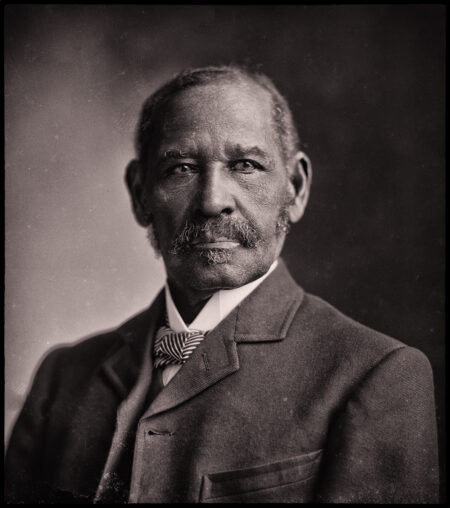
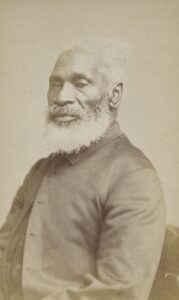
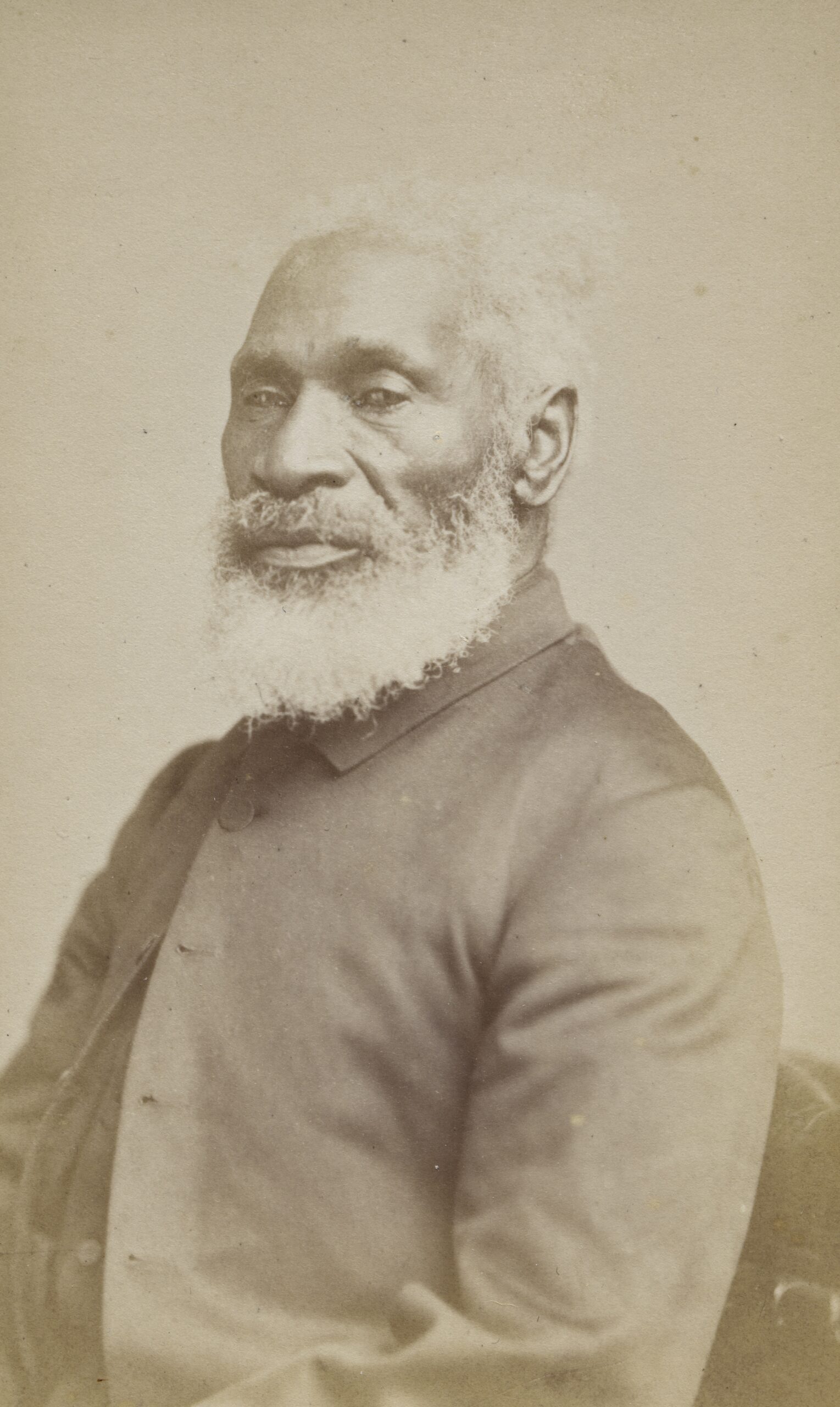
Sources: Dictionary of Canadian Biography entry on Josiah Henson (biographi.ca); The Canadian Encyclopedia entry on Josiah Henson (thecanadianencyclopedia.ca); Wikipedia summary of Henson’s 1849 autobiography. Image: Josiah Henson, undated portrait taken before his death in 1883, public domain, via Wikimedia Commons.
Follow Canada News Media
Get the day's top Canadian stories and our two daily 60-second news videos wherever you scroll.
X Threads Facebook Instagram LinkedIn TikTok YouTube Pinterest Reddit Substack Flipboard Newsletter RSS