

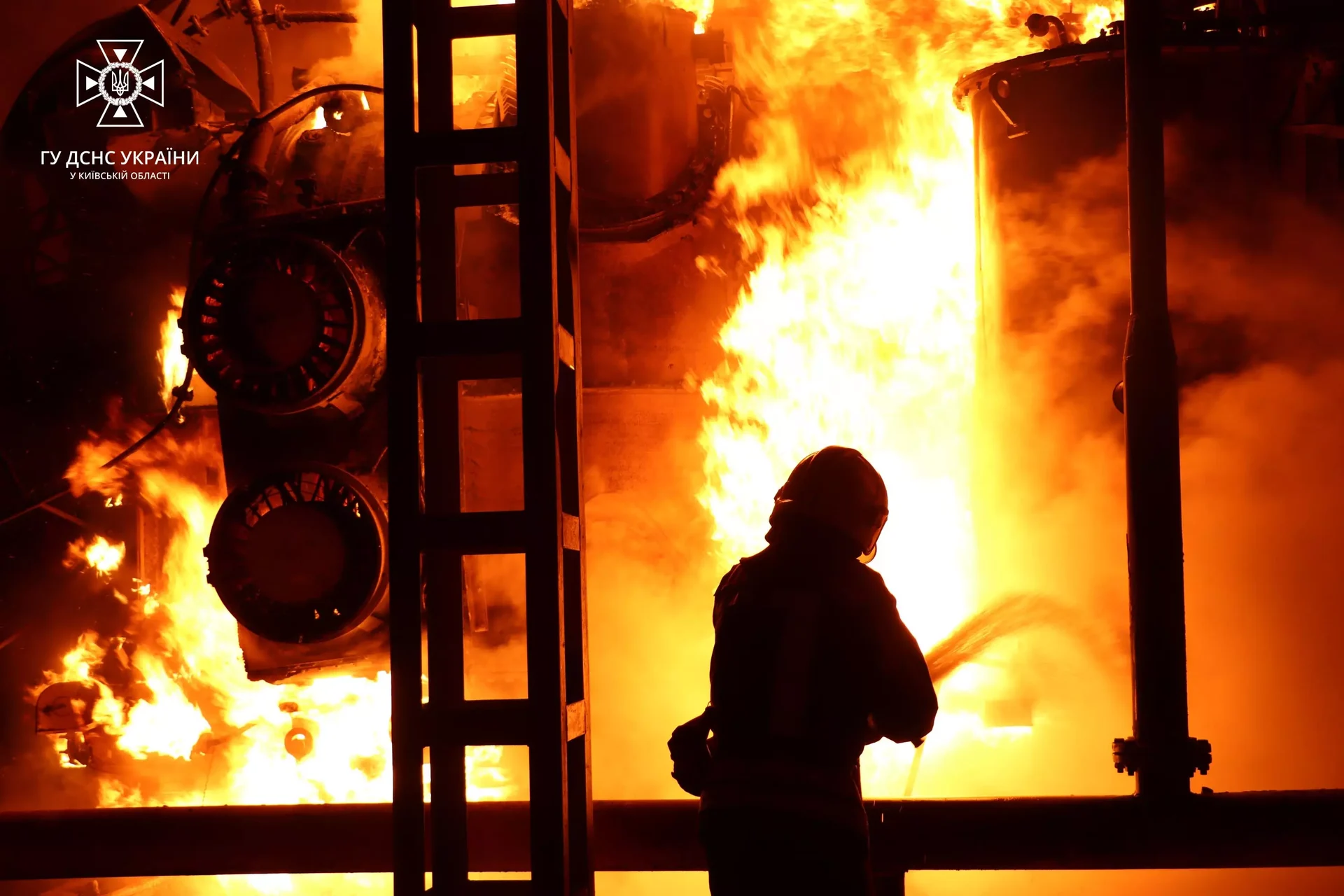
A UN-backed commission of inquiry told the General Assembly on Oct. 26, 2026, that Russia committed war crimes and crimes against humanity by deliberately attacking Ukraine’s energy infrastructure, leaving millions of civilians without heat and power in winter.
The finding comes as winter closes in again. Temperatures reached minus 21 C last winter while heating, electricity, water and gas were cut for long periods, the commission said in its first report focused on the energy attacks.
The Independent International Commission of Inquiry on Ukraine concluded that the strikes were directed at civilian objects, which it classed as a war crime. It also found the attacks followed a state policy of depriving civilians of electricity and other essential services, which it classed as the crime against humanity of “other inhumane acts,” according to the UN human rights office.
Commission chair Erik Mose, a former Norwegian judge, told a UN news conference by video that the attacks “have intensified once again, raising serious concerns about the threats to civilians’ lives and health,” the Associated Press reported.
Investigators drew on accounts from 255 people in nine regions, including Kyiv, Kharkiv, Odesa and Zaporizhzhia, as well as officials, doctors and civic groups. Older people and those with limited mobility were hit hardest. Some feared being trapped in elevators during blackouts, and some could not reach shelters during air raid alerts. Hospital patients lost power to life-sustaining equipment, the commission said.
The commission said Russian commanders knew heating facilities in large cities were indispensable to civilians in winter, and that Russian authorities made official statements about further attacks. It said it could not fully examine Ukrainian strikes on energy sites in Russia and occupied Ukraine because Russia denied access and did not answer its requests.
The report also said there is compelling evidence that Russian authorities recruited men from 29 countries into their armed forces through deception or coercion. The commission examined recruitment involving nationals of 48 countries. It said agents posed as legitimate, government-endorsed businesses, arranged visas and had recruits sign Russian-language Defence Ministry documents they did not understand. The AP said the men were between 18 and 60.
Russia’s UN mission said Moscow does not recognize the commission’s mandate and called its findings “falsified data,” the AP reported. Russia has long said its forces strike only military or military-related targets. Mose said Russia has not responded to the commission’s requests for comment.
The commission’s findings are not a court ruling. The International Criminal Court issued arrest warrants in June 2024 for Sergei Shoigu, then Russia’s defence minister, and Valery Gerasimov, the chief of the general staff, over alleged crimes linked to strikes on Ukraine’s energy system in 2022 and 2023.
For Canadians, the report lands in a country with about 1.3 million people of Ukrainian origin, one of the largest Ukrainian communities outside Ukraine. European allies have been pledging support for Ukraine’s power system before winter, as E5 defence ministers did in Paris on Oct. 26, and the war continues to shape European energy prices.
The commission’s report now goes to UN member states for debate. Mose said the intensifying attacks leave civilians facing another winter of risk.
If you find reporting like this useful, consider supporting Canada News Media, an independent Canadian newsroom with no corporate parent.
Via The Associated Press and the UN human rights office.
Follow Canada News Media
Get the day's top Canadian stories and our two daily 60-second news videos wherever you scroll.
X Threads Facebook Instagram LinkedIn TikTok YouTube Pinterest Reddit Substack Flipboard Newsletter RSS