
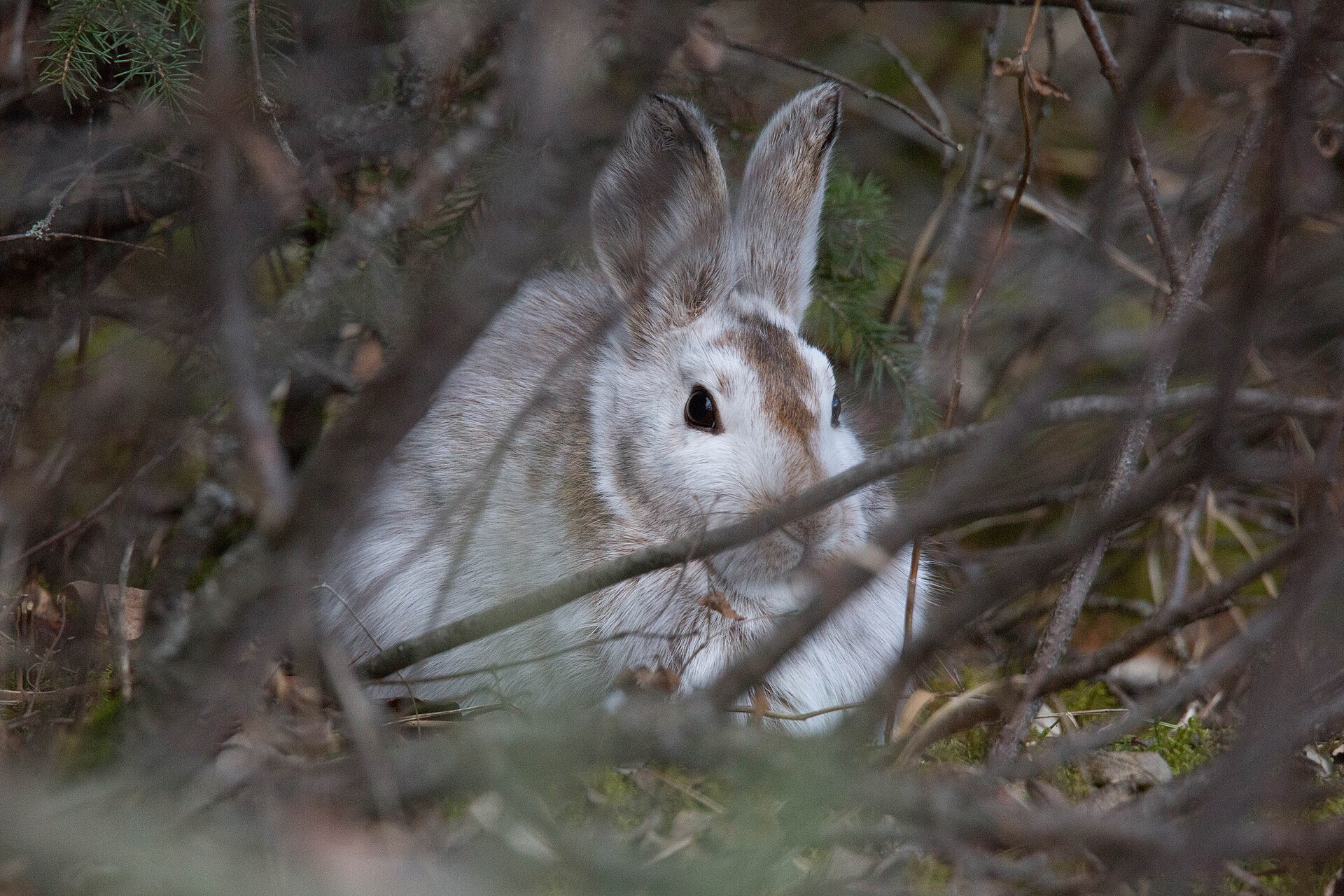
Rabbit hemorrhagic disease virus has been confirmed for the first time in dead snowshoe hares in the Northwest Territories, the territorial government said Wednesday.
The disease poses no risk to people, dogs, cats or other animals, but it is highly contagious and can kill rabbits and hares quickly, N.W.T. wildlife veterinarian Naima Jutha told CBC News.
The investigation began after the department received many reports from the public of dead snowshoe hares in the Dehcho and South Slave regions this fall. Jutha said hares of all ages were dying with no clear outward signs. Examinations found similarities such as enlarged spleens and livers and spots on the heart and lungs, and further testing confirmed the virus.
The virus spreads through direct contact between rabbits, but it can also travel through contaminated environments, predators, or people carrying it on clothing, boots or equipment, according to the government and Cabin Radio. Pet rabbits are also at risk. The government is asking trappers and other residents to avoid spreading it by handling infected animals, meat, fur or gear.
“This disease is really rampant, it seems to be moving really fast,” Jutha said. She said the department is working with officials in other jurisdictions and that large die-offs of hares have been reported in northern Alberta and northern B.C.
Richard Mercredi, who traps near Fort Smith, N.W.T., said he had never heard of the disease but had noticed a change in the hare population. “This summer we didn’t see one rabbit,” he said, adding that he normally sees dozens. Jutha said she could not say whether that was related to the virus, but that it could be.
Northern predators such as lynx depend on snowshoe hares for food, and lynx numbers are closely tied to hare numbers, Cabin Radio reported. The government said it is monitoring the outbreak and working with experts to understand how it may affect the northern ecosystem.
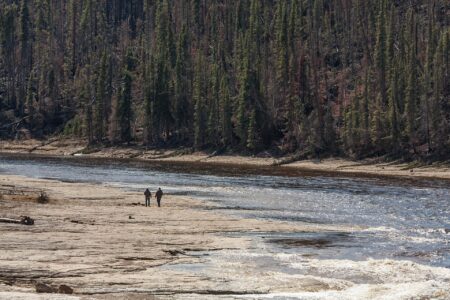
Residents can report sick or dead hares to their local wildlife office or share photos with the territory’s wildlife health program. The outbreak comes as other Dehcho communities deal with environmental pressures, including the Mackenzie River’s nomination as a Canadian Heritage River.
If you find reporting like this useful, consider supporting Canada News Media, an independent Canadian newsroom with no corporate parent.
Follow Canada News Media
Get the day's top Canadian stories and our two daily 60-second news videos wherever you scroll.
X Threads Facebook Instagram LinkedIn TikTok YouTube Pinterest Reddit Substack Flipboard Newsletter RSS