

To defrost a freezer, unplug it, empty it, leave the door open until the ice melts on its own, then wipe the inside with warm water and mild detergent and dry it completely before plugging it back in. Plan on a few hours, and up to a day if the ice is thick.
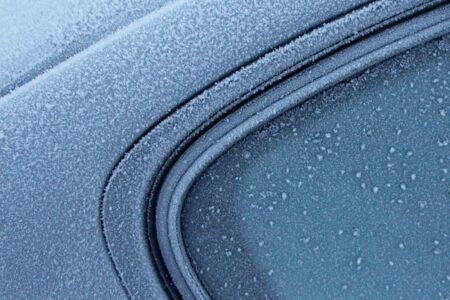
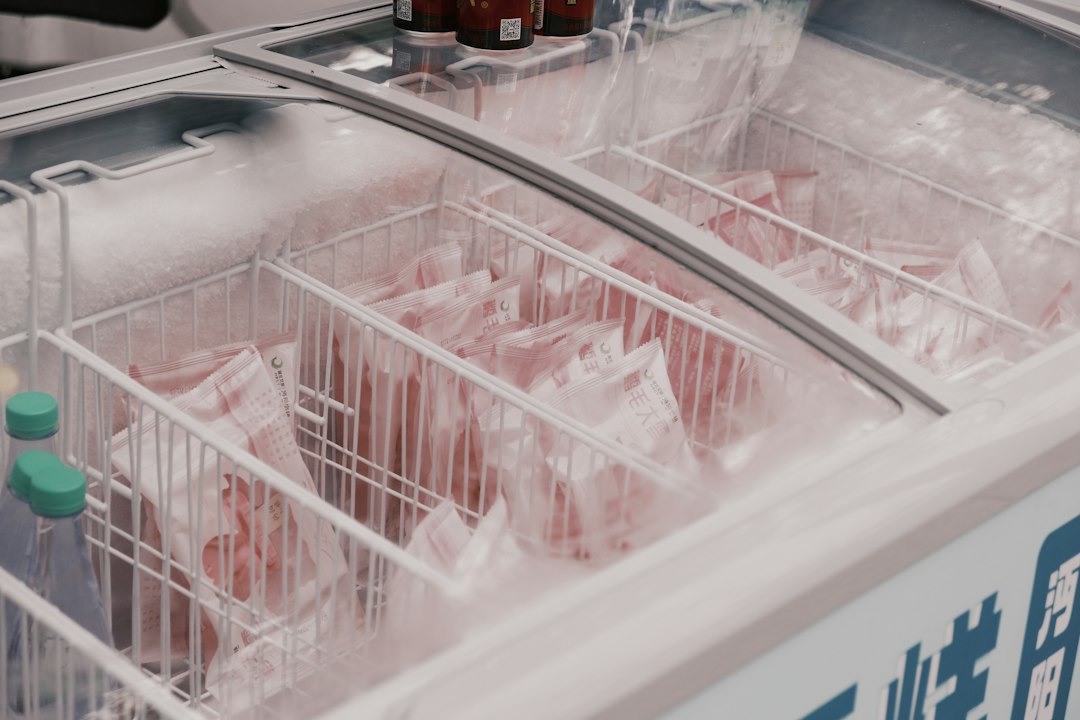
The job matters now because many Canadians stock the freezer with turkeys, holiday baking and bulk groceries at this time of year, and a thick layer of frost leaves less room and makes the appliance work harder. Appliance makers give slightly different advice on when to act. Coast Appliances says a good rule of thumb is to defrost when ice build-up reaches half an inch, while Beko director Vijay Bhardwaj told Homes & Gardens the target is about a quarter of an inch (7 millimetres), or twice a year. Either way, if you can no longer see the bottom of the freezer through the frost, it is time. Most modern freezers are self-defrosting and do not need this treatment, so check your manual first. This guide is for manual-defrost models, which are common in chest freezers.
Keep a few safety points in mind before you start. Water and electricity do not mix, so the freezer must be unplugged. Do not chip at the ice with a knife or scraper, because that can damage the inner walls and, according to Coast Appliances, potentially cause a refrigerant leak. Do not use a hair dryer or a heater to speed things up, since both can damage the appliance or create an electrical hazard.
Step 1: Plan around your food
Choose a day when you can leave the freezer empty for several hours. Gather coolers, and if you have room, ask a neighbour whether you can use their freezer for items that must stay frozen. Coast Appliances suggests both options. Pack food closely together in the cooler, because frozen items keep each other cold.
Step 2: Unplug the freezer and empty it
Unplug the freezer, then take out all the food and put it in the coolers. Remove shelves, drawers and trays if they come out easily. Do not force them, since that can cause breakage.
Step 3: Catch the water
Lay old towels or newspaper on the floor around the base, and put absorbent towels or a shallow tray inside. If your freezer has a drain hose, place the other end in a basin or bucket and empty it as it fills. Have extra towels nearby, because there is usually more water than you expect.
Step 4: Leave the door open and let the ice melt
Open the door fully and let the frost melt on its own. Coast Appliances says this typically takes between four and 24 hours, and most household freezers take a few hours. Homes & Gardens also says it can take a few hours. If you want to move things along, Coast Appliances says you can set a pan of hot water inside the freezer or use a fan to circulate warm room air. Replace towels as they soak through, and do not pick at the ice.
Step 5: Wipe out the loose ice and clean the inside
Once the ice has loosened or melted, remove the water and any ice pieces. Wipe the walls, shelves and door with warm water and a mild detergent, and avoid harsh chemicals. Homes & Gardens notes that vinegar or baking soda are options if you prefer to avoid commercial cleaners. Mop up any water that reached the floor.
Step 6: Dry everything completely
Dry the interior with a clean microfibre cloth or rag. Coast Appliances says to make sure the inside is completely dry before you turn the freezer back on, since leftover moisture will simply refreeze as new frost.
Step 7: Plug it in and restock
Plug the freezer back in and let it run for a few hours to reach its set temperature before you restock. Homes & Gardens, citing U.S. guidance, recommends keeping a freezer at -18 C (0 F) and checking it regularly with a freezer thermometer. Put the food back in, with the items you use most near the top or front.
Step 8: Check any food that thawed
Food in a cooler for a few hours should still be frozen if it was packed well. If any of it did thaw, Health Canada says completely defrosted food should not be refrozen, while partly defrosted food can be refrozen only if it still has ice crystals on its surface. Health Canada also says room-temperature thawing allows bacteria to grow, so use the refrigerator, the microwave or cold water in a sealed package instead. Our guides on how to thaw a turkey and how to keep food safe in a power outage cover those methods in more detail, and the winter power outage kit guide explains how to prepare if the power goes out while the freezer is full.
If frost returns quickly after you defrost, or builds up in a freezer that is supposed to defrost itself, the door seal or the defrost system may be faulty. Homes & Gardens says frost from a long door opening or a big restock should clear within 24 hours. If it does not, call a qualified appliance technician instead of trying to repair sealed cooling parts yourself.
If you find reporting like this useful, consider supporting Canada News Media, an independently owned Canadian newsroom.
Sources: Coast Appliances, “How to Defrost a Freezer Quickly and Effectively”; Homes & Gardens, “How to defrost a freezer”; Health Canada, “Safely defrosting foods.”
Follow Canada News Media
Get the day's top Canadian stories and our two daily 60-second news videos wherever you scroll.
X Threads Facebook Instagram LinkedIn TikTok YouTube Pinterest Reddit Substack Flipboard Newsletter RSS