

Halifax Regional Municipality issued 469 building permits for new single detached houses between Jan. 1 and Nov. 19, 2026, down 28% from 652 over the same period of 2025 and the fewest for those months in the city’s current permit records, which begin in 2021, according to an analysis of municipal open data by Canada News Media.
The decline is not limited to detached houses. The number of permits that add at least one home fell to 941 from 1,233 a year earlier, a drop of 24%. Because apartment buildings add many homes per permit, the total number of net new homes in issued permits fell less steeply, to 5,289 from 5,650, a decrease of 6.4%. That is still the lowest total for those months since 2022, when permits added 5,214 homes, but well above the 3,108 of 2021.
Apartment permits slowed sharply in number. The city issued 65 permits for new multiple-unit dwellings this year, down from 113 over the same months of 2025, covering 1,950 homes compared with 2,343. Townhouse permits fell to 41 from 60, covering 502 homes against 647, and mixed-use buildings with homes and other uses fell to nine permits from 14, covering 1,284 homes against 1,353. Backyard suites, which the city allows on many residential lots, dropped to 87 permits from 104, after growing from 12 over the same months of 2021.
One housing type grew. Permits for new semi-detached houses rose to 63 from 49, adding 194 homes compared with 120 a year earlier, the most for those months in the records.
Detached houses now make up a small part of what Halifax permits. The 469 detached-house permits this year added about 470 homes, less than 9% of all net new homes permitted. In 2021, the city issued 959 permits for detached houses in the same months, more than twice this year’s number.
Processing has also slowed slightly. For permits for new residential buildings that add homes, the median time from submission to issuance was 26 days for permits issued in 2026 so far, up from 18 days in 2025 and 13 days in both 2023 and 2024, though still shorter than the 28 days of 2021. The slowest tenth of those permits took 115 days or more this year.
For Halifax-area buyers and renters, permits are an early signal of supply: a permit issued this year is a home that could be finished in a year or two. Fewer permits now point to fewer completions later, unless builders who already hold permits speed up.
The records have limits. A permit is not a start or a completion, and some permitted projects are never built or are delayed for years. The data do not say why permits fell; interest rates, construction costs, sales conditions, the timing of large projects and changes to city rules could all play a part, and the dataset holds no information on those. Large apartment projects can move the yearly totals sharply depending on the week a single permit is issued. The city’s file contains repeated rows for many permits, so we counted each permit number once: 17,067 unique permits from 19,581 rows. Permits issued before the city moved to its current permitting system are kept in a separate legacy dataset and are not compared here.
How we checked: We downloaded every record in Halifax’s PPL&C Building Permits open dataset (feature service) on Nov. 21, 2026, removed duplicate permit numbers, and counted permits by date of issuance from Jan. 1 to Nov. 19 in each year from 2021 to 2026, using the city’s own fields for work type (new building), type of structure and net new units. The latest issuance date in the file was Nov. 19, 2026. Processing times compare each permit’s submission and issuance dates. We checked each total twice.
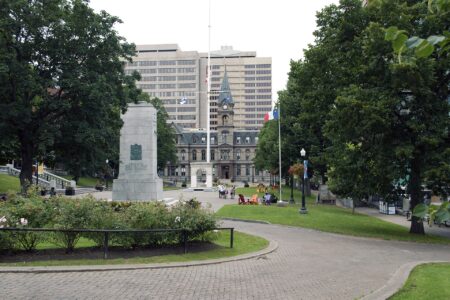
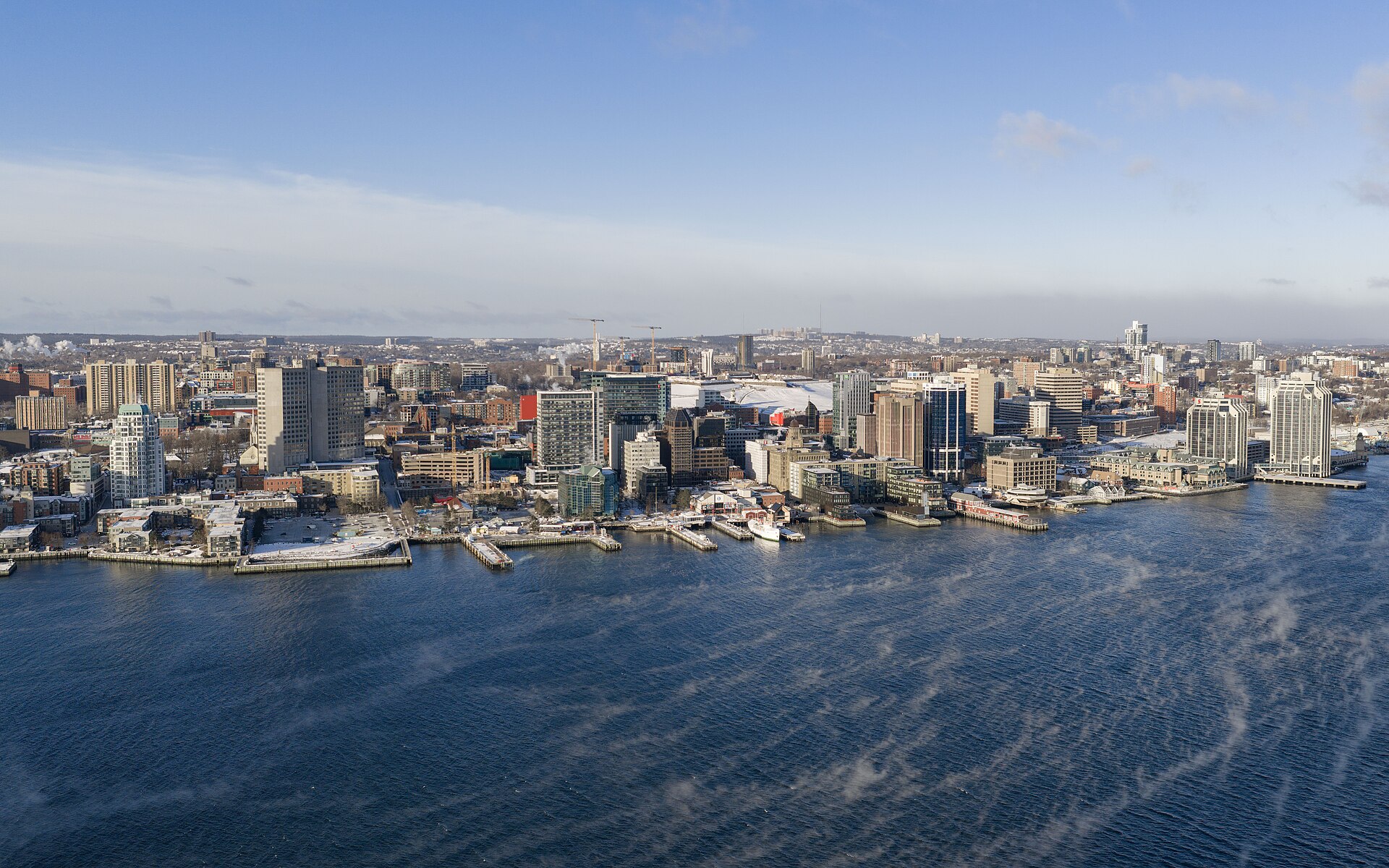
Photo: downtown Halifax from the air, Jan. 25, 2026. File photo: Quintin Soloviev via Wikimedia Commons, CC BY 4.0.
Follow Canada News Media
Get the day's top Canadian stories and our two daily 60-second news videos wherever you scroll.
X Threads Facebook Instagram LinkedIn TikTok YouTube Pinterest Reddit Substack Flipboard Newsletter RSS