


Property taxes in British Columbia have risen 57% since 2019, faster than in any other province and more than twice as fast as prices in general, our analysis of Statistics Canada’s consumer price index shows.
The index that tracks property taxes and other special charges paid by homeowners in B.C. stood at 302.1 in October 2026, up from 191.9 in October 2019. Over the same seven years, the index for all items in B.C. rose 23.6%. Nationally, property taxes rose 30.5%, against 24.7% for prices overall.
The increase came mostly in four big steps. Statistics Canada updates the property tax index once a year, in October, and the B.C. index rose 8.9% in 2022, 7.5% in 2023, 8.0% in 2024 and 8.5% in 2025. The 2022 increase was the largest in the province since 1992, and the 37.3% rise from October 2021 to October 2025 is the biggest four-year increase in B.C. since the early 1980s. This October the increase eased to 4.7%.
No other province comes close. Since October 2019, Ontario’s property tax index has risen 32.1%, Saskatchewan’s 31.0%, New Brunswick’s 29.5%, Alberta’s 29.2% and Nova Scotia’s 28.9%. Newfoundland and Labrador is up 26.7%, Prince Edward Island 23.8%, Manitoba 19.3% and Quebec 16.1%. From October 2021 to October 2025, when B.C.’s index rose 37.3%, the national index rose 21.6% and no other province topped 24.6%.
The index is set at 100 in 2002, so it also shows how much taxes have grown since then. B.C.’s 302.1 means property taxes and special charges have roughly tripled since 2002, the most of any province. Alberta is next at 284.3, and Quebec is lowest at 166.0. The national figure is 218.2.
For a homeowner, the change shows up on the annual tax bill. A B.C. household that paid $3,000 in property taxes and charges in 2019 would, at the pace of the index, now pay about $4,720, an increase of $1,720 a year. Bills vary widely by municipality and by the assessed value of each home, so actual changes will be larger or smaller.
Property taxes are set by municipalities, which have only a few ways to raise money, along with school and other levies collected on the same bill. Unlike most prices in the index, they are not set in a market, so homeowners cannot shop around. Competing explanations for B.C.’s faster rise include higher costs for policing, fire protection, wages and infrastructure, population growth that requires new services, and limits on other ways municipalities can raise money; the index cannot separate them. Our recent reporting found rent outpaced median pay in all 27 cities we checked since 2019, so tenants feel housing cost pressure too, even though they do not receive a tax bill.
The records do not say why B.C.’s property taxes rose faster than elsewhere, how much came from municipal tax rates and how much from school taxes or other levies, or which municipalities raised them most. The index does not show what any individual homeowner pays. It also does not show what residents received for the money in services or infrastructure. No municipality or government is accused of anything here.
Homeowners in B.C. can check whether they qualify to postpone their taxes under the province’s property tax deferment program, or to claim the provincial home owner grant on a principal residence.
How we checked: We used Statistics Canada’s consumer price index, table 18-10-0004-01 (monthly, not seasonally adjusted, 2002=100), with data to October 2026, and compared the “Property taxes and other special charges” and “All-items” components for each province. Because the property tax index changes once a year, in October, we compared October values; for B.C., 302.1 ÷ 191.9 − 1 = 57.4%. The comparisons with 1992 and the early 1980s come from the 12-month and four-year changes in every October since the B.C. series began in 1978. The household example multiplies $3,000 by the ratio of the index values and is an illustration only. Statistics Canada does not publish this index for the territories.
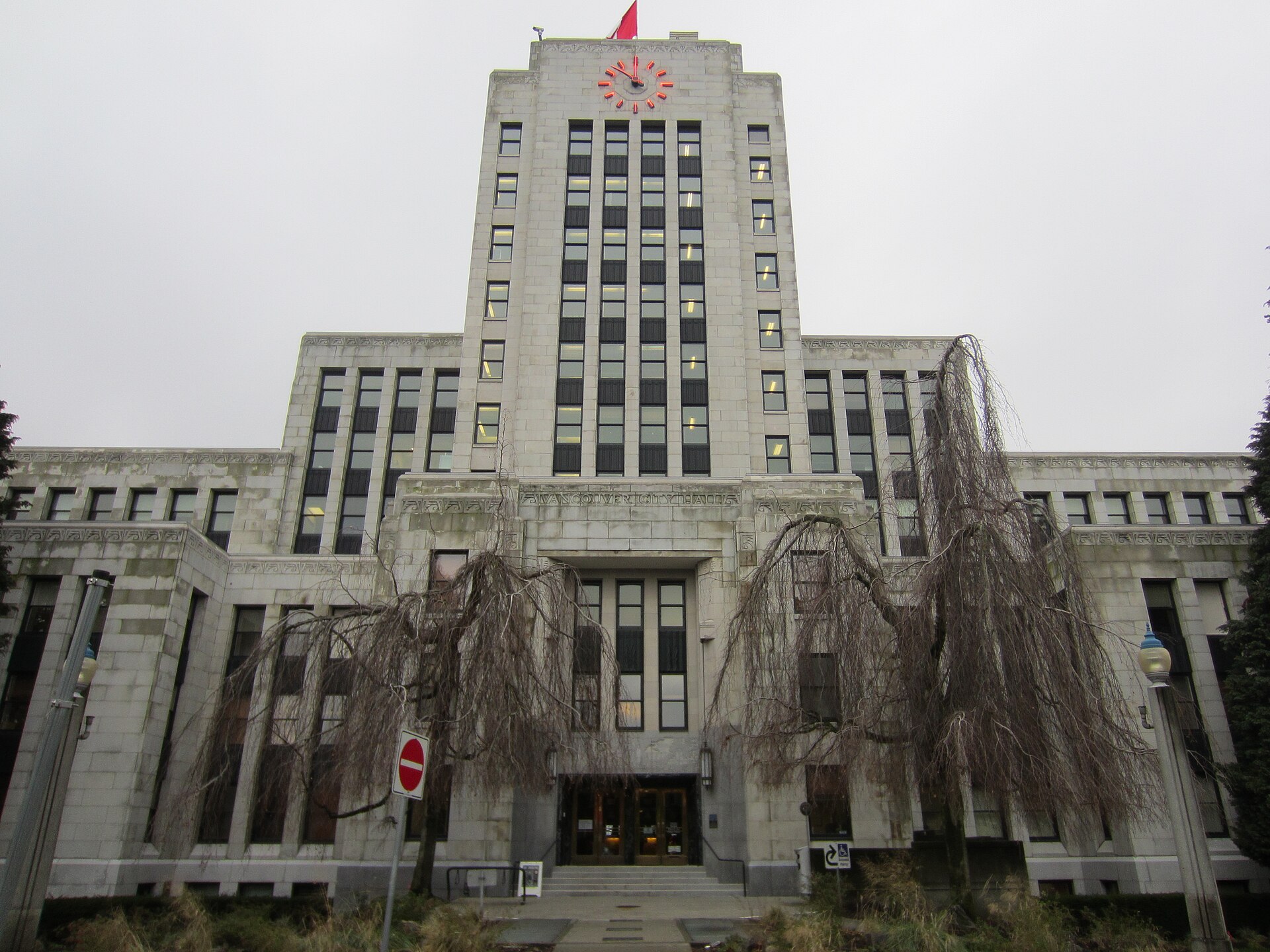
File photo: Vancouver City Hall (Another Believer, 2012, CC BY-SA 3.0, via Wikimedia Commons). It is shown for context.
Follow Canada News Media
Get the day's top Canadian stories and our two daily 60-second news videos wherever you scroll.
X Threads Facebook Instagram LinkedIn TikTok YouTube Pinterest Reddit Substack Flipboard Newsletter RSS