


Escalating fighting in eastern Congo has forced Ebola response workers to leave affected areas and disrupted efforts to contain the outbreak, health officials and humanitarian workers said Wednesday, Nov. 25, The Associated Press reported.
The outbreak has infected more than 11,700 people and killed more than 5,700 since it was declared in May, according to the latest government data cited by AP. It is the deadliest of Congo’s 17 Ebola outbreaks.
Clashes between government forces and an armed group, the Convention for the Popular Revolution, known as CRP, have intensified north of Bunia, the capital of Ituri province and a major hub for the response.
Dr. Catherine Smallwood, the World Health Organization’s Ebola incident manager, said the fighting has kept teams from reaching some communities, disrupted the monitoring of people exposed to the virus and left some treatment centres with fewer staff.
Smallwood said about a dozen people, including two WHO personnel and Congolese health officials, were evacuated to Bunia on Tuesday after three full days trapped in a hospital in Akwe, northeast of the city.
“They were caught really in the crossfire, very intense fighting, and we managed to evacuate them,” she said.
Earlier on Tuesday, WHO spokesperson Christian Lindmeier told reporters in Geneva that fighting and heavy rain had so far prevented a safe evacuation, UN News reported. The agency had verified more than 87 attacks on health care in Congo since Jan. 1, according to an earlier UN News report.
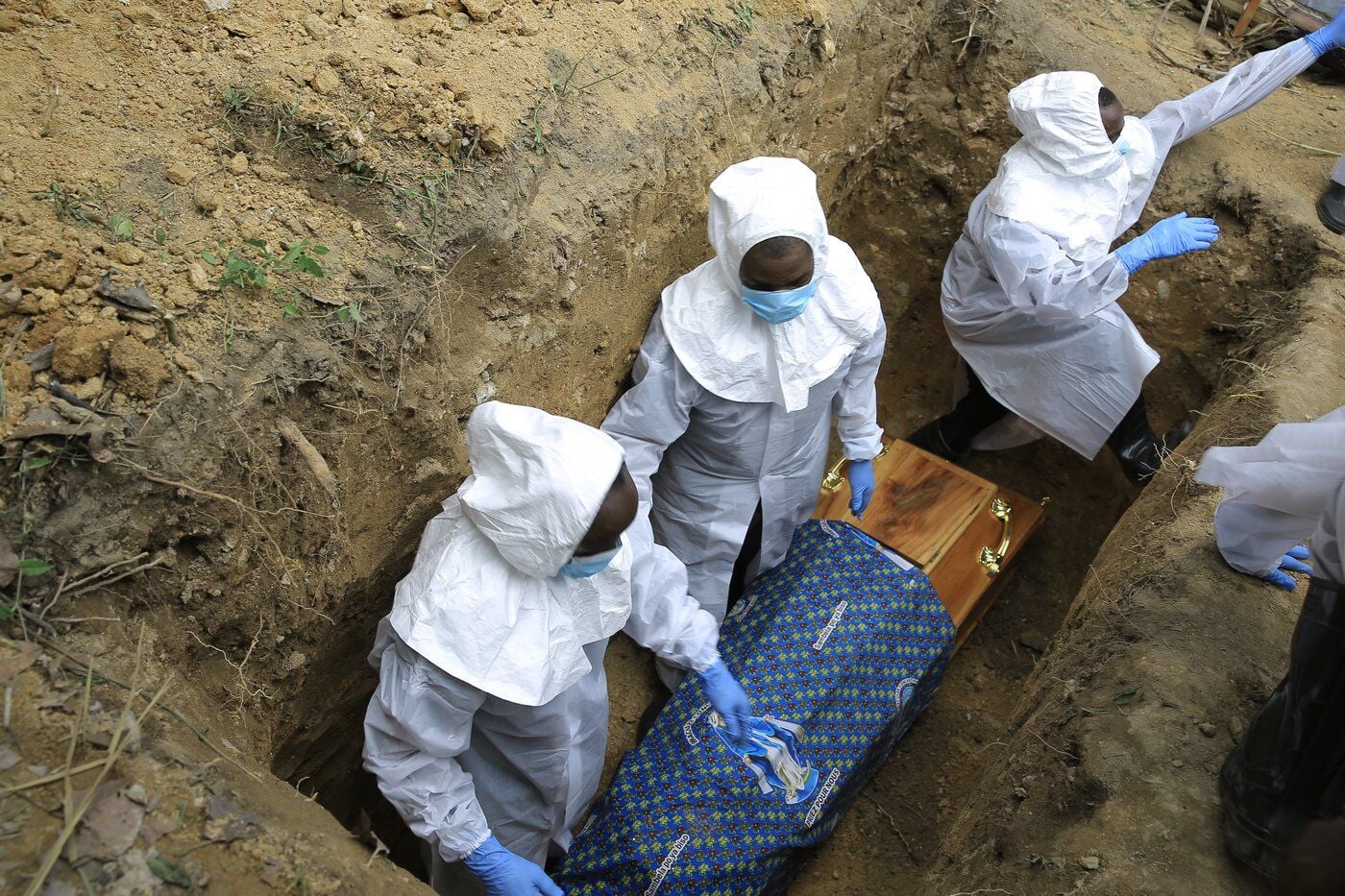
WHO has also temporarily moved its team and partner staff from Mongbwalu, the mining town where the outbreak was first detected, to Bunia because fighting disrupted road access, Smallwood said. Blocked roads make it harder to deliver supplies, move patients and send teams to bury victims safely.
In neighbouring North Kivu province, recent attacks by another armed group displaced more than 20,000 people, and health teams lost track of some who had been in contact with Ebola patients, she said. WHO chief Tedros Adhanom Ghebreyesus warned two weeks ago that attacks were slowing the response.
Some local teams were cautiously returning to work Wednesday, and WHO operations in Bunia continued normally, Smallwood said. AP reported that CRP said Tuesday it was suspending its advance toward Bunia, while Congolese authorities said government forces had pushed the rebels back. Residents said conditions in surrounding communities remained volatile.
Canada’s temporary Ebola border measures covering Congo, Uganda and South Sudan are listed to end Friday, Nov. 27, at 11:59 p.m. Eastern time. We found no announced extension on the Public Health Agency of Canada’s border page or in its news feed as of Wednesday afternoon.
Under the current rules, most foreign nationals who have been in Congo in the previous 21 days cannot enter Canada, although some exemptions apply. Canadian citizens, permanent residents and people registered under the Indian Act can return but must quarantine for 21 days unless exempt. Travellers should check the federal page for changes before booking or boarding.
Ottawa also advises Canadians to avoid all travel to Congo because of the security situation and the outbreak. We reported in October when deaths passed 5,000, and earlier this month on the six-month mark of the response.
If you find reporting like this useful, consider supporting Canada News Media, an independently owned Canadian newsroom.
Sources: The Associated Press; UN News; Public Health Agency of Canada; Government of Canada travel advice.
Follow Canada News Media
Get the day's top Canadian stories and our two daily 60-second news videos wherever you scroll.
X Threads Facebook Instagram LinkedIn TikTok YouTube Pinterest Reddit Substack Flipboard Newsletter RSS