

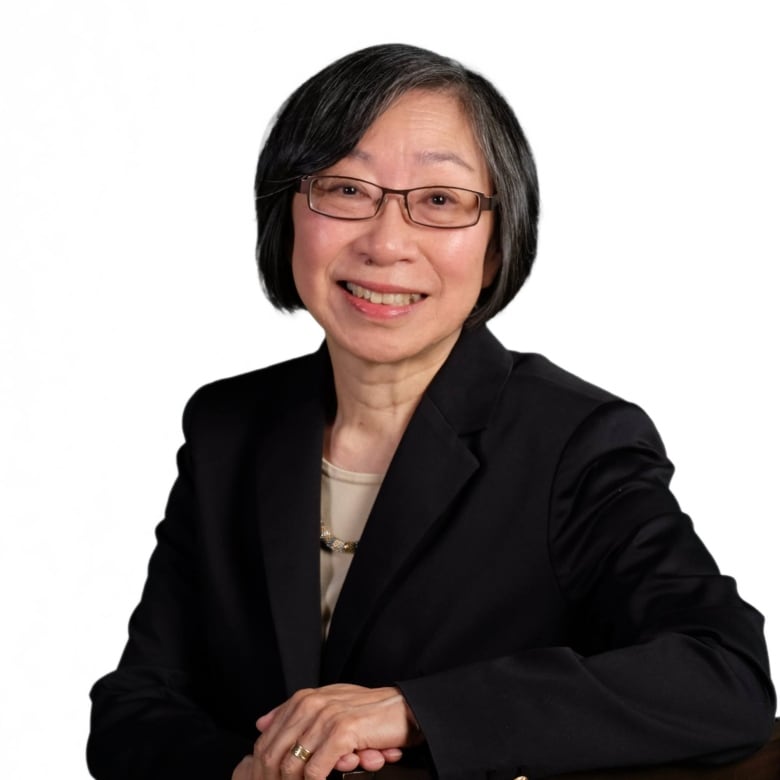
Grace Wong’s parents have an immigrant story not unlike many others.
Her father came to Canada from China in the early 1920s and, after a few trips back and forth, he married her mother in China and they had a son. He returned to Vancouver, but he was unable to bring his new family to Canada for many years because of anti-Asian immigration policies.
It wasn’t until the early 1950s, after Canada amended its laws, that Wong’s mother and brother could come to Vancouver. Soon after, Grace was born.
“This is part of my history but then it’s [also] part of something that helped to build British Columbia and our community. So to share that with more people, I think it’s very meaningful,” she said.
Wong is heading up the new Chinese Canadian Museum Society of British Columbia, which will oversee the development and operation of a new museum in Vancouver’s Chinatown. Earlier this week, the B.C. government announced a $10-million investment into the establishment of the museum.

“For the families that have stories like [mine], I think it’s a wonderful affirmation of the places that people came from,” she said.
Wong, who is a former senior advisor in UBC’s office of the international vice-provost, says these immigrant stories are important to highlight, especially in light of a recent spike in anti-Chinese racism related to COVID-19.
Lisa Beare, B.C.’s minister of tourism, arts and culture agrees.
“Now more than ever, we need to come together and learn from each other,” Beare said in a news release. “People told us they want a museum to showcase the diversity of Chinese-Canadian history and culture, past and present. This museum will help foster a more inclusive society.”
Museum will cover community’s past and its present
The new museum’s central location will be in Vancouver’s Chinatown — in the Hon Hsing building at 27 East Pender Street — but the plan is to have several regional hubs through the province, and an interactive online component as well.
The society plans to not only explore the history of the province’s Chinese-Canadian community but also document the ongoing Chinese-Canadian experience, delving into current events and visions of the future.
It will also be interactive. Visitors will get a chance to tell their Chinese-Canadian story on camera or place pins on a map to indicate their family’s migration.

Wong remembers as a young girl sitting on the stools in her father’s restaurant on Granville Street while he worked. Despite the intolerance experienced by many early Chinese immigrants, it’s the friendships her father made at his restaurant that have stayed with Wong years later.
One non-Chinese customer her father befriended gave Wong her first name.
“You have these stories, and people sometimes will grow up and not necessarily share them because they’re too busy establishing their lives […or feel] either a combination of embarrassed that [their family’s story] is different than maybe other people’s stories or they just think, ‘Oh, well, who’s interested?'” she said.
“But to actually show that this is meaningful, and the more people understand about each other’s backgrounds, the better the society, the more we’re going to hopefully reduce the kind of racism and other things that we see.”
B.C.’s new investment follows $1 million the province gave to the City of Vancouver last year to support the initial planning behind the museum.
In mid-August, the museum will officially kick off with a temporary exhibition called A Seat at the Table at the Hon Hsing building. The exhibit will explore the pivotal role of food and restaurant culture in the evolution of the Chinese-Canadian community in B.C.
The museum plans to unveil a larger sister exhibit at the Museum of Vancouver (MOV) in the fall.
Source:- CBC.ca