



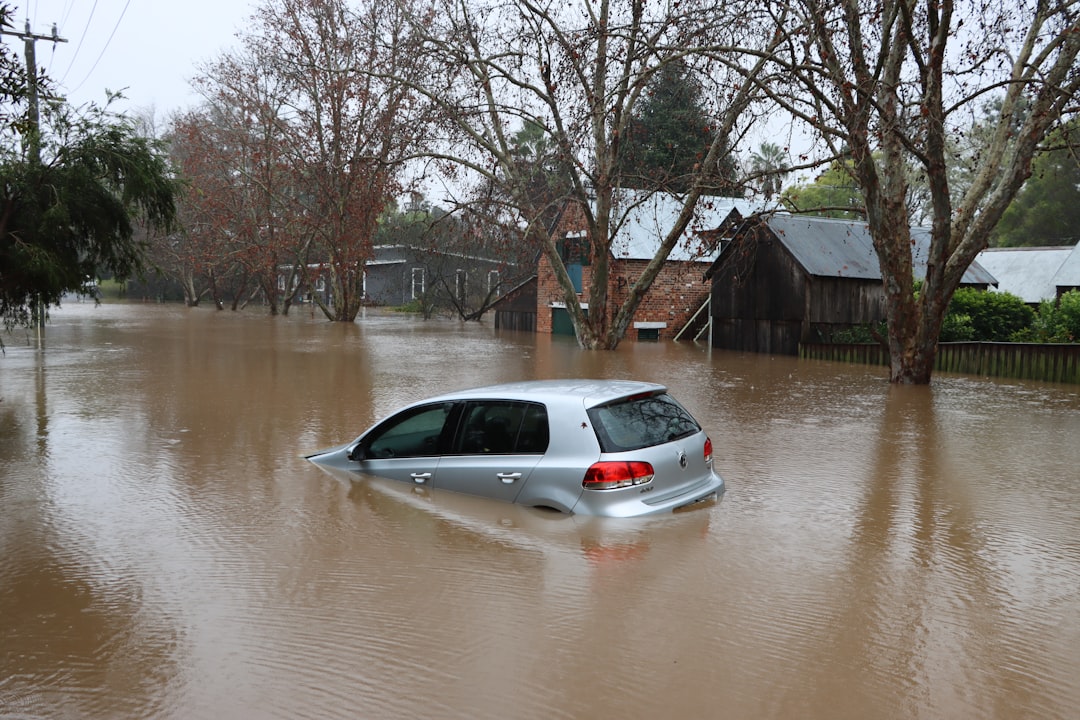
Inverness, Richmond and Victoria counties declared states of local emergency late Saturday afternoon, CBC News reported, after floodwaters closed roads and left several communities cut off. Parts of Richmond County recorded up to 250 millimetres of rain by Saturday afternoon, and the heaviest infrastructure damage was concentrated there, around Bras d’Or Lake, where washouts took out numerous roads, bridges and driveways.
Nova Scotia RCMP said a 46-year-old woman reported missing on Saturday morning was found dead later the same day in a flooded area of Richmond County. Her vehicle had been parked near her home in Cleveland, N.S., on the far side of a flooded bridge, and first responders located her body in the area at about 2:30 p.m. AT, according to CBC News. RCMP said the death is not believed to be suspicious. The woman has not been publicly identified.
Premier Tim Houston confirmed the death on Sunday. “Nova Scotians are mourning the loss of a woman who died during the flooding in our province,” Houston said, according to Global News. “My thoughts are with her loved ones and everyone who is grieving this tragic loss.”
Nova Scotia Power reported that outages peaked at nearly 40,000 customers on Saturday afternoon before falling to roughly 7,000 by Saturday evening, The Globe and Mail reported. The utility attributed most of the Cape Breton outages to a combination of high winds and sustained heavy rain.
The damage was not confined to the three counties that declared emergencies. Cape Breton Regional Municipality reported several road closures in the Sydney and Glace Bay areas because of flooding, and washouts were reported on routes in parts of mainland Nova Scotia as well, stranding drivers over a long weekend when traffic across the province is typically heavy. Authorities repeatedly warned residents against non-essential travel while the water was still rising.
Representatives from the three counties and the province met at an emergency response co-ordination centre on Sunday as municipal leaders began assessing the scale of the infrastructure damage. CBC News reported that concerns over flood-compromised roads persisted into Sunday, and that is the part of this event most likely to outlast the headlines. A road that looks passable can have been scoured out from underneath, and culverts that have shifted or collapsed are not visible from a car window.
Local officials described the storm as without precedent in the area. A municipal chief administrative officer in one of the affected communities told CBC News, “We really weren’t prepared for that,” and residents in several communities said they had never experienced rainfall of that size or effect.
What happens next is largely a question of accounting. States of local emergency in Nova Scotia are declared by municipalities and run for a fixed period unless they are renewed, and the damage assessments now underway across Inverness, Richmond and Victoria counties will determine both how long the declarations stay in force and whether the province seeks a federal contribution through the Disaster Financial Assistance Arrangements, the cost-sharing program Ottawa uses when a natural disaster exceeds what a province can reasonably carry on its own.
The rainfall total is the number that has travelled furthest, but it is not the number that will decide how this event is remembered on the island. That will be the number of kilometres of road, and the count of bridges and culverts, that have to be rebuilt before school buses, ambulances and fuel trucks can run their normal routes again. In rural Cape Breton, where a single washed-out crossing can isolate a whole community, that work is measured in months rather than days.
Sources: CBC News, Global News, The Globe and Mail and The Canadian Press.
Follow Canada News Media
Get the day's top Canadian stories and our two daily 60-second news videos wherever you scroll.
X Threads Facebook Instagram LinkedIn TikTok YouTube Pinterest Reddit Substack Flipboard Newsletter RSS