



Two federal executives were found this year to have misused public money by directing contract work outside what their contracts allowed, and one of them retired before he or she could be disciplined, according to findings of wrongdoing the government posted in 2026.
The cases are two of three findings of founded wrongdoing posted so far in 2026 in the government’s open data on the Public Servants Disclosure Protection Act, the federal whistleblower law. Our review of every record in that dataset shows how rare these public findings are, and how often the person responsible has already left by the time a finding is made.
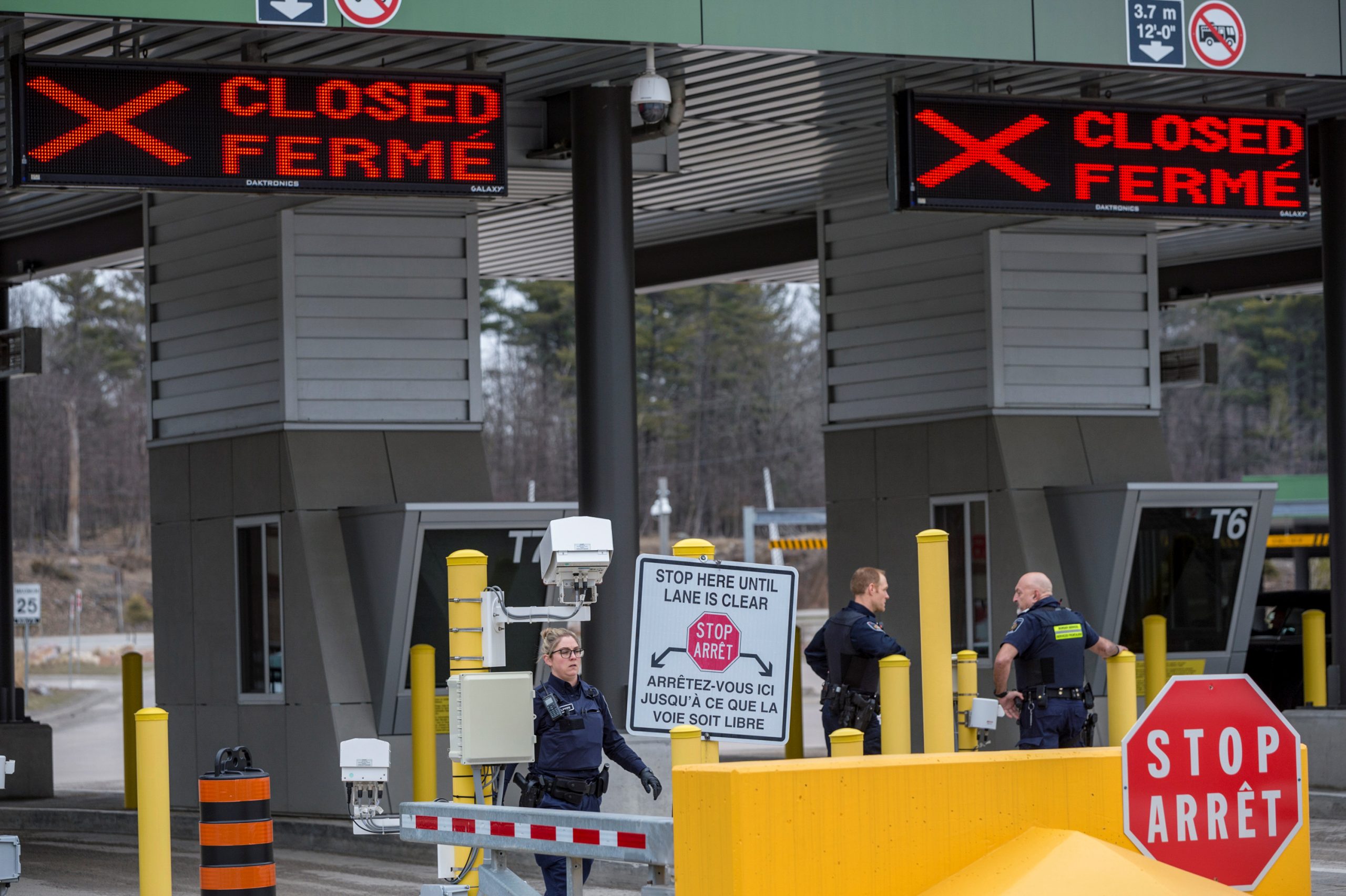
At the Canada Border Services Agency, an internal investigation found that a member of the agency’s executive cadre “knowingly” directed the hiring of a specific consultant, directed the consultant’s work beyond the scope of the task authorizations and approved payment for it, and directed and paid for work with no task authorization at all. The finding, dated May 25, 2026, says the executive misused public funds, “knowingly misled management” about the nature, volume and duration of the consultant’s work, and was in a conflict of interest with that consultant and with a firm providing coaching services. It also found the executive created a “stressful, toxic, and unsupportive work environment” by isolating, harassing and belittling employees. The agency’s president accepted the recommendations, and the executive was terminated.
At the Department of Justice, a finding dated June 17, 2026, says an executive misused public funds by authorizing work under a contract that was not aligned with the contract, and that the work and invoiced services were not sufficiently supported by accurate contract documents. The department found this was a misuse of public funds, gross mismanagement and a serious breach of a code of conduct. The executive was told the matter would go to a disciplinary process, but “retired from the public service before any administrative measures could be considered or implemented,” the record says.
The third 2026 finding, posted by National Defence on June 23 under the Canadian Armed Forces disclosure process, found systemic problems in one unit’s management of fuel cards. “Multiple parties, from drivers to finance officers,” did not consistently follow the rules, which amounted to a misuse of public property. The commanding officer has put in new controls, and the department says it will tighten oversight of fuel payment cards.
None of the records name the people involved, and none says how much money was misspent.
Across the whole dataset, federal institutions have posted 72 findings of founded wrongdoing, with case dates going back to 2007. They come from just 13 institutions. Global Affairs Canada has posted the most, 22, followed by Public Services and Procurement Canada with 15 and National Defence with 14. Immigration, Refugees and Citizenship Canada has five; Employment and Social Development Canada, Environment and Climate Change Canada and the Canada Border Services Agency have three each; and six other organizations have one or two.
Most findings are about conduct rather than money. Of the 72 records, 58 include a serious breach of a code of conduct, 19 gross mismanagement, 15 a misuse of public funds or assets and six a breach of an act of Parliament or a regulation. A finding can include more than one. The word “executive” appears in 20 of the records.
In at least six cases, the person found responsible had retired or left before discipline could be applied, according to the corrective-measures section of each record. Besides the Justice case, they include an Environment and Climate Change Canada executive who did not take part in the investigation and left before it ended, an IRCC employee who accepted a $625 gift from a supplier during a procurement process, and older cases at Global Affairs and National Defence.
The number of findings posted each year has fallen. Based on the dates in the records, 11 cases were dated in 2021 and 11 in 2022, then five in 2023, four in 2024, two in 2025 and three so far in 2026. The records do not explain the drop. It could reflect fewer disclosures, fewer founded cases, slower investigations or how departments date their files, and the dataset covers only findings that institutions post publicly. The Public Sector Integrity Commissioner reports its own cases separately, and they are not in this count.
Federal law requires institutions to make founded wrongdoing public, and the dataset is where they post it. For public servants who see wrongdoing, the law lets them report to a supervisor, to their organization’s senior officer for internal disclosure or directly to the Public Sector Integrity Commissioner, and it protects them from reprisal.
How we checked: We downloaded the full Proactive Disclosure – Acts of Founded Wrongdoing dataset from the Government of Canada open data portal on Nov. 21, 2026 (file updated that day; individual records are searchable at search.open.canada.ca/wrongdoing). We read every record, excluded one placeholder row with no finding, and counted the 72 remaining findings by institution, by the year in the file date and by the finding codes the government uses (a: breach of an act or regulation; b: misuse of public funds or assets; c: gross mismanagement; e: serious breach of a code of conduct). Quotations are from the records. We counted a case as “left before discipline” only where the record says the person retired, left or departed before measures could be applied. All counts were checked twice. These are findings already made by the institutions themselves; this story adds no new allegation.
Follow Canada News Media
Get the day's top Canadian stories and our two daily 60-second news videos wherever you scroll.
X Threads Facebook Instagram LinkedIn TikTok YouTube Pinterest Reddit Substack Flipboard Newsletter RSS