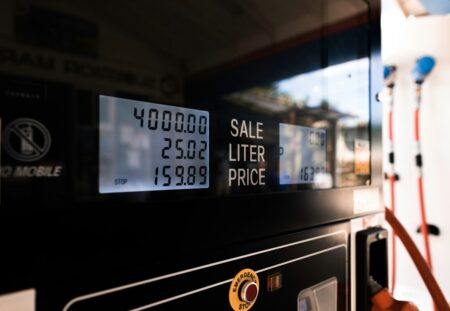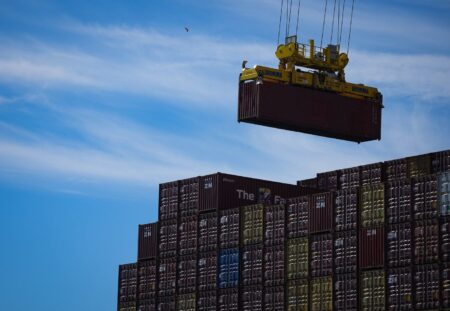


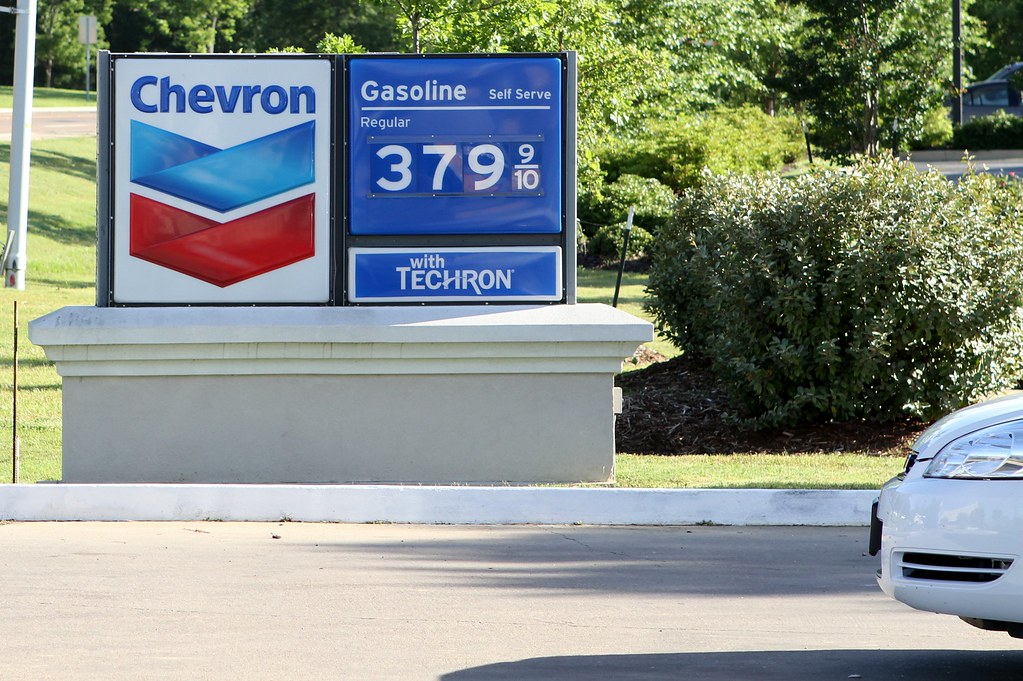
Two federal decisions made for completely unrelated reasons, months apart, are set to land on Canadian household budgets on the exact same day. On September 8, the federal fuel excise tax comes back into force after a four-and-a-half-month suspension, adding roughly 10 to 11 cents per litre back onto the price of gasoline. That same Tuesday, Canada’s retaliatory tariffs on close to $20 billion of U.S. goods — steel, dairy, appliances, agricultural equipment, pulp and paper, and electronics — also take effect, the countermeasure to the 50% U.S. tariffs that followed the collapse of trade talks in late August. Coverage of each has run on a separate track. Nobody covering the gas tax story has flagged that it shares a launch date with the tariff war, and nobody covering the tariffs has flagged the gas tax.
Why the Tax Is Coming Back Now
Prime Minister Mark Carney suspended the federal excise tax on gasoline and diesel on April 20, cutting the gas rate from 10 cents per litre to zero and the diesel rate from four cents to zero, after what he called a sharp price spike tied to the Iran conflict and fears over the Strait of Hormuz. Ottawa estimated the pause would deliver more than $2.4 billion in relief, worth roughly $6 per fill-up for a sedan, $7 for a minivan, and $10 for a pickup, according to the Canadian Taxpayers Federation. Both rates have been untouched since well before most drivers on the road today got their licence — the gas excise tax has sat at 10 cents a litre since 1995, and the diesel rate at four cents since 1987. The pause was always temporary, tied to a Labour Day end date, and Ottawa has given no indication it will extend it.
A Timing Quirk the Gas Tax Coverage Missed
What’s been largely absent from reporting on the tax’s return is that it lands just before gas prices would otherwise be heading down. Retailers typically switch to winter-grade gasoline in mid-September, a cheaper butane-heavier blend that Dan McTeague of Canadians for Affordable Energy says usually shaves 8 to 9 cents off a litre. Instead of that seasonal relief showing up at the pump, drivers get the tax increase first — meaning the September 8 to September 15 window could see prices rise on the tax change and then only partially retreat once the winter blend kicks in, rather than falling the way it normally would this time of year. Statistics Canada data adds another layer: gasoline was already the single biggest driver of the July Consumer Price Index increase, up 25.7% year over year, which the agency attributed directly to Strait of Hormuz supply uncertainty — the same conflict that justified the tax pause in the first place. In other words, the tax is returning at a moment when pump prices are already elevated for the identical reason Ottawa cited when it suspended the tax.
What Actually Stacks on Top of What
The tariffs and the tax hit different goods, so there’s no single receipt where both charges appear together. But they hit the same households in the same week, through the same channel: higher costs on things that are hard to avoid buying. A family driving to a grocery store where dairy and other tariff-exposed goods have gotten pricier is paying more for both trips, because of decisions made on unrelated timelines — one a wartime relief measure expiring on schedule, the other a trade retaliation measure launched in response to Washington. Nothing so far suggests the two dates were coordinated rather than a genuine coincidence of two policy clocks running out the same week.
The Open Question
Neither piece of coverage so far has asked whether Ottawa considered staggering the two changes, or whether the overlap adds to the political pressure Carney already faces from the Canadian Taxpayers Federation and from polling showing most Canadians oppose the tax’s return. That answer likely won’t come until September 8 itself, when both changes show up at the till and the pump on the same day.
via Daily Hive (dailyhive.com/canada/fuel-excise-tax-pause-ends-sept-7)
Follow Canada News Media
Get the day's top Canadian stories and our two daily 60-second news videos wherever you scroll.