



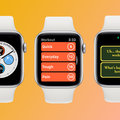
Smartwatches are revolutionizing patient health monitoring. In 2021, spending on smartwatches surpassed $81 billion and is expected to rise by close to 20% this year. Fifty-nine percent of the United States population have used the devices to measure their tracks, according to research data from Delitte and 37% measured their heart health. Around 42% tracked their workouts.
Wearables help doctors and healthcare practitioners monitor patients from afar, a need that was realized during the pandemic. From tracking blood pressure to early diagnosis, the devices are a godsend in the medical realm.
Even senior citizens are getting in the smart device groove with 60% of all Medicare-age individuals saying they have tried tech equipment. British senior consumers are raving about smartwatches too with 40% on board for using them for health-related purposes, such as alarms that warn of impending medical issues such as rising blood pressure of increase or decrease of blood sugar.
Features Available on Smartwatches
It goes without saying that smartwatches display the time and date, but these days, they do a slew of other things too. Here are some of the most fascinating and useful health-related applications and feature options available:
Music
A study conducted by John Hopkins proved that music stimulates the brain and even lights up certain areas during MRI scans. Not only is music therapeutic to listen to, it helps gauge exercise. You can set your music app to play your favorite song or round of songs and workout to a set number of tunes. You can also pick which type of music you’d like to do your workout, jog, or stretches too such as 60s, heavy metal, or rock.
GPS
Smartwatches come equipped with Global Positioning System, or GPS, that determine the location of the user and can also give directions to other locations. A runner can get specific details about a location in question including the exact distance it will take to reach it. Those who walk, run, or hike can also feel more secure because they can let others know exactly where they are going and can have trackability of their device in case they get lost.
Goals
Smartwatches help users set health and fitness goals and notifies them when they have met the goals. This is very rewarding and motivating. There are apps and programs that take goal setting to heart and have incentives and suggestions for users.
Calories Burned
By keeping track of steps and other exercises, apps are available to let the user know how many calories have been burned. There are also apps that add another useful feature – sedentary time. Some even sound an alarm when the user has been in one spot too long.
Sleep
Smartwatch devices can be synced with EEG leads to track deep sleep patterns (or lack of) and other important sleep characteristics. The data can be used to improve sleep and to diagnose sleep conditions.
Information
Information is available through smartwatch aps such as equipment that is needed. An ad might be placed about a dialysis chair for sale which the user can follow to purchase the chair. The user can go onto trusted sites and apps to fill such needs securely with purchases through legitimate, upstanding companies.
Direct Patient Monitoring
Smartwatch devices help healthcare workers keep track of patients too. Here’s how:
Heart Rate
Smartwatches can send notifications when heart rates are too high or low, sounding an alarm to both the patient and a healthcare team. This lifesaving technology can alert medics that attention is needed and can also work preventively to let the user know they have reached an unhealthy limit while exercising.
Glucose Levels
Smartwatches also have the capability to monitor blood sugar levels. A medical team can keep track of highs and lows as can the patient.
Seizures
Apps are also able to detect seizures in patients and to alarm emergency crews as to the condition and location of the patient.
Diagnosis
Smartwatches have some capability to diagnose diseases and medical conditions already. Advancements are in the making so in this vital area.
Huge strides are being made daily in smartwatch technology. Gone are the days where a watch was worn for looks or simply to tell time. Smartwatches are definitely trending for medical and personal care technology.
Follow Canada News Media
Get the day's top Canadian stories and our two daily 60-second news videos wherever you scroll.
X Threads Facebook Instagram LinkedIn TikTok YouTube Pinterest Reddit Substack Flipboard Newsletter RSS