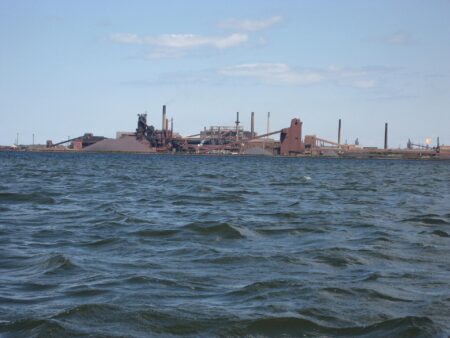



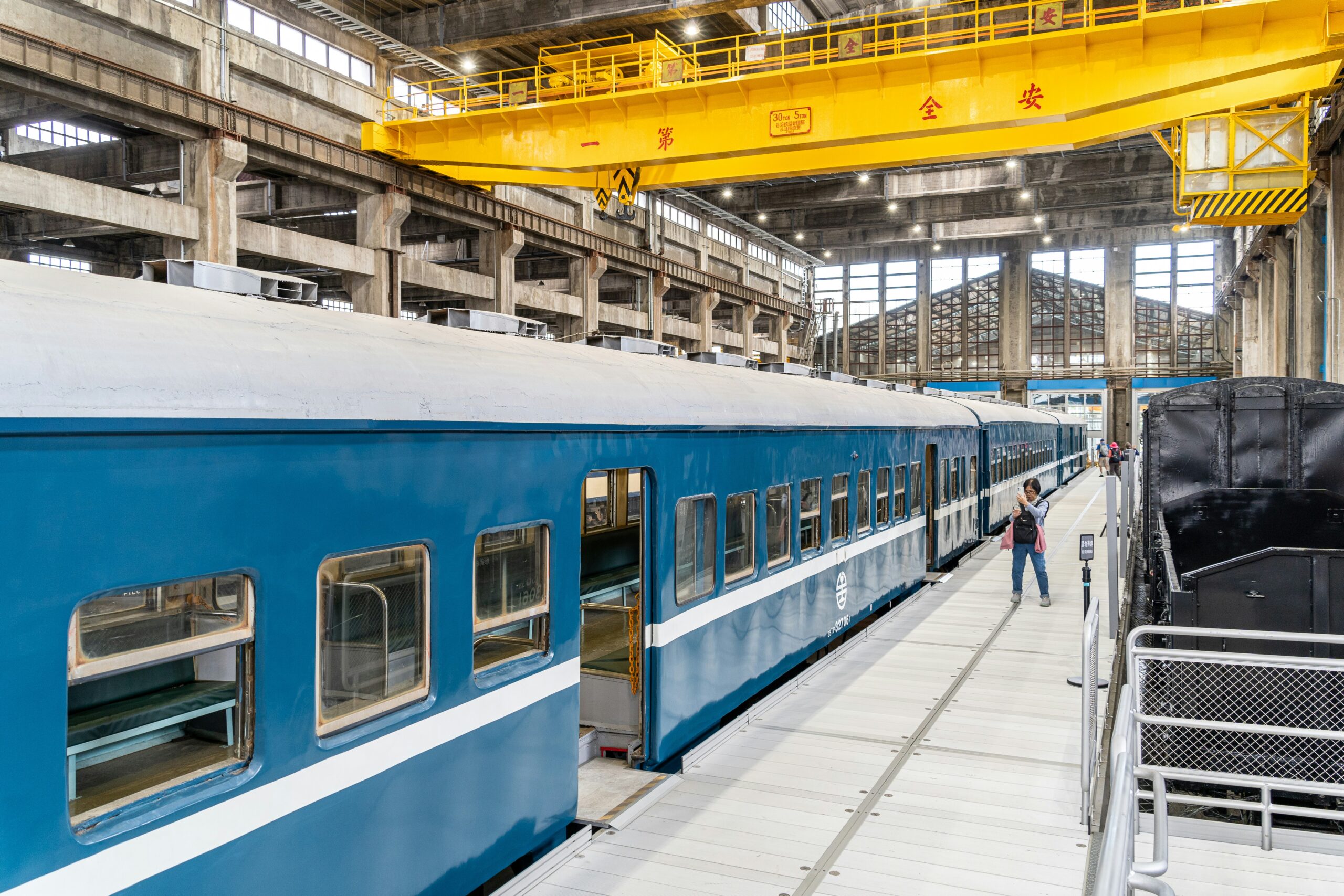
The Thunder Bay, Ont., plant that will build Via Rail’s new passenger cars under a $4.7-billion federal contract laid off roughly 200 of its unionized manufacturing workers this spring, a fact that sharpens what Prime Minister Mark Carney’s announcement actually restores.
Carney announced Sept. 3, 2026, that Ottawa will spend more than $4.7 billion for Via Rail to acquire and maintain 313 new passenger cars from Alstom Canada, assembled in Thunder Bay and La Pocatière, Que., with design and engineering work in Saint-Bruno-de-Montarville, Que. The Prime Minister’s Office said the order will support nearly 700 jobs in Ontario and Quebec and generate more than $1.6 billion in economic benefits. It covers nine car types, according to a Transport Canada backgrounder: 78 sleepers, 58 coaches, 38 panorama cars, 29 baggage cars, 26 accessible sleepers, 25 dome cars, 20 dining cars, 20 prestige sleepers and 19 berth cars.
What most of the coverage moved past is which trains those cars replace. This is not the Quebec City to Windsor corridor. It is Via’s long-distance, regional and remote fleet, serving eight routes and close to 400 communities on lines linking Montreal, Halifax, Gaspé, Jonquière, Senneterre, Toronto, Vancouver, Churchill, Prince Rupert, Jasper, Sudbury and White River. Those cars average about 77 years old. Much of the equipment consists of Budd stainless-steel cars delivered to Canadian Pacific in 1954 and 1955 for the launch of The Canadian, and inherited by Via when it took over the service in 1978.
That leads to a timeline nobody announced from the podium. The first new cars are expected in commercial service in 2031, with full deployment by 2035. The oldest Budd cars turn 72 this year by build date and, on the government’s own averaging, the fleet is already near 77. By the time the last replacement arrives, the equipment coming off the rails will be pushing 80. Passengers on the Canadian, the Ocean and the northern remote services face at least five more winters on 1950s rolling stock, and neither the Prime Minister’s Office nor Via has said publicly what carries those routes in the interim or what happens if delivery slips.
The award is also a deliberate reversal of the last big Via procurement. In December 2018, Via selected Siemens Canada for a $989-million contract to replace the corridor fleet, and those trainsets were built at the company’s North American hub in Sacramento, Calif., under an agreement that carried no local content requirement. CBC News reported at the time that the decision, which passed over Bombardier, drew resentment in Quebec, where the La Pocatière plant was short of work. Eight years later the same plant is named in the contract. Alstom said the deal falls under Ottawa’s Buy Canadian policy and will draw on more than 900 Canadian suppliers while maximizing Canadian steel in structural assemblies. The timing is not incidental: Canada’s counter-tariffs on roughly $27.6 billion in U.S. goods take effect Sept. 8, with the top 50 per cent rate applied to steel and aluminum.
For Thunder Bay, the contract reads less like expansion than like a reprieve. Justin Roberts, president of Unifor Local 1075, which represents about 250 manufacturing workers at the plant, told CBC News the order means job security after years of uncertainty. Those years were not abstract. Layoffs affecting about 200 workers began in mid-May 2026 as a Toronto Transit Commission streetcar contract wound down, with the final round expected at the end of August. The federal announcement came days later.
The riders with the most at stake are the least visible in the announcement. On the Churchill, Prince Rupert, Senneterre and White River services, including stops serving Indigenous and remote communities, the train is not a heritage excursion. It is the only scheduled ground link, used to reach medical appointments, groceries and family. Those passengers have been riding equipment built before most of their communities had road access, and under the announced schedule they will keep doing so until at least 2031.
The question left open is what Via does about reliability between now and then, on a fleet the government has just formally described as approaching the end of its useful life.
via CBC News. Additional reporting from the Prime Minister’s Office, Transport Canada, Alstom, The Globe and Mail and CBC News archives.
Follow Canada News Media
Get the day's top Canadian stories and our two daily 60-second news videos wherever you scroll.
X Threads Facebook Instagram LinkedIn TikTok YouTube Pinterest Reddit Substack Flipboard Newsletter RSS