


Industrial releases of sulphur dioxide, the gas behind acid rain and a trigger for asthma attacks, fell to 510,699 tonnes in 2024, almost half the 987,685 tonnes facilities reported in 2015, according to a Canada News Media analysis of the National Pollutant Release Inventory. With Alberta’s coal plants converted or closed, two Saskatchewan coal-fired power stations are now among the country’s four biggest single sources.
The inventory, run by Environment and Climate Change Canada, holds the releases that industrial facilities above set thresholds must report each year. Sulphur dioxide releases to air fell in every year but one from 2015 to 2024, including a 7 per cent drop from 547,362 tonnes in 2023. The decline happened even though the number of facilities reporting the gas rose from 765 in 2015 to 2,432 in 2024, after reporting rules for upstream oil and gas sites were widened in 2018.
Two things account for most of the fall. The first is smelters. Vale’s Thompson operations in Manitoba reported 151,154 tonnes in 2015 and no sulphur dioxide releases from 2019 on, after its smelter closed, and Vale’s Copper Cliff smelter in Sudbury, Ont., went from 146,728 tonnes in 2015 to 15,293 in 2024. Manitoba’s total fell from 152,169 tonnes to 689. The second is coal power. Fossil-fuel power plants reported 250,607 tonnes in 2015 and 107,832 in 2024, down 57 per cent. In Alberta, TransAlta’s Sundance and Keephills plants each reported one to three tonnes in 2023 and 2024, after reporting 26,379 and 13,198 tonnes in 2015, and Capital Power’s Genesee station fell to 2,654 tonnes in 2024 from 14,677 a year earlier.
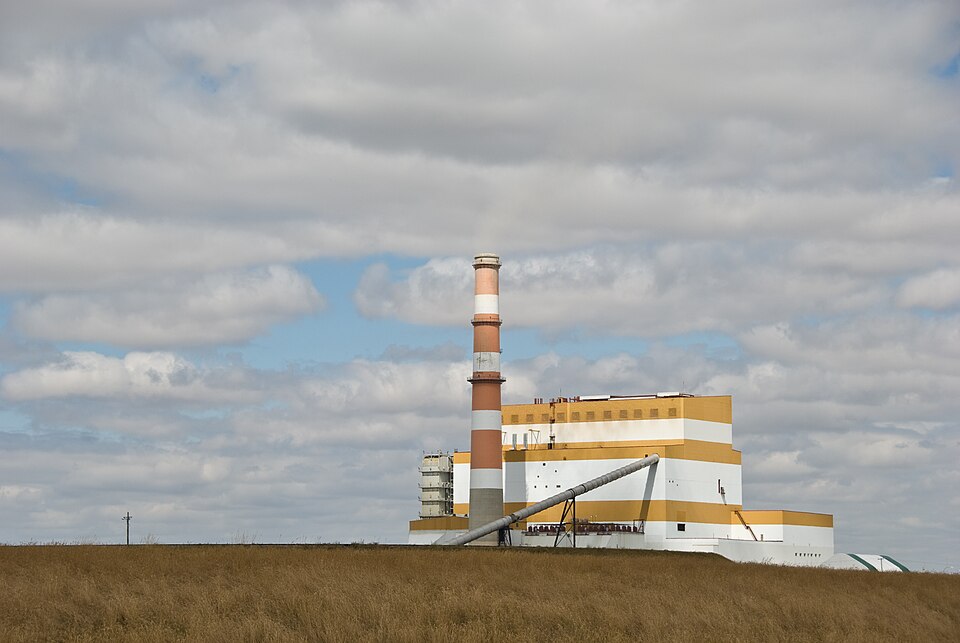
The biggest reported source in 2024 was SaskPower’s Poplar River Power Station near Coronach, Sask., at 36,352 tonnes, slightly below its 41,116 tonnes in 2015. Next came Syncrude’s oil sands operations north of Fort McMurray, Alta., at 31,549 tonnes, Glencore’s Sudbury nickel smelter at 24,090, SaskPower’s Boundary Dam Power Station near Estevan, Sask., at 20,431, and Glencore’s Horne smelter in Rouyn-Noranda, Que., at 19,022, up from 9,852 tonnes in 2023. SaskPower’s stations together reported 67,524 tonnes, about 13 per cent of the national total and nearly two-thirds of all sulphur dioxide reported by power plants. Nova Scotia Power’s Lingan station reported 15,853 tonnes.
By province, Alberta reported the most in 2024 at 136,197 tonnes, down from 228,802 in 2015, followed by Saskatchewan at 97,474 (114,037), Quebec at 97,300 (108,001) and Ontario at 91,083 (248,758). British Columbia was the only large province where the total rose, to 39,447 tonnes from 33,800.
The figures are what each facility estimated and reported; a jump or drop at a single site can reflect a change in operations, in production, or in how the facility measures its releases, and the inventory does not say which. Nothing in the inventory shows that any facility broke a permit or a law, and none is accused of doing so here. The inventory also leaves out small sources below its thresholds and vehicles, so it is not a full count of sulphur dioxide in the air Canadians breathe. Federal regulations require the remaining conventional coal units to stop burning coal by 2030.
How we checked: We downloaded the National Pollutant Release Inventory’s bulk releases file from Environment and Climate Change Canada’s NPRI data service, kept the 2015 to 2024 reporting years (476,000 rows), and added up releases to air of sulphur dioxide in tonnes by year, facility, industry code and province. Facility names and owners are as reported. Totals are rounded to the nearest tonne.
Follow Canada News Media
Get the day's top Canadian stories and our two daily 60-second news videos wherever you scroll.
X Threads Facebook Instagram LinkedIn TikTok YouTube Pinterest Reddit Substack Flipboard Newsletter RSS