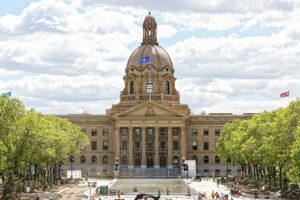


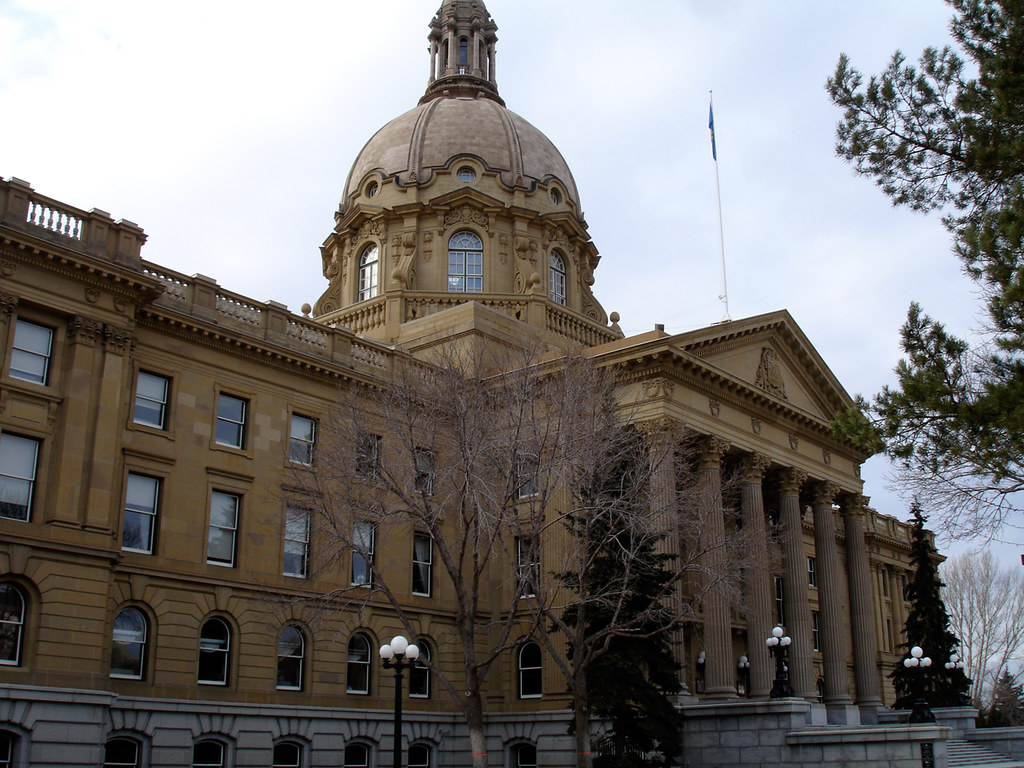
On September 1, 1905, Alberta and Saskatchewan formally entered Confederation as Canada’s eighth and ninth provinces, carved out of the North-West Territories under the Alberta Act and the Saskatchewan Act, according to Library and Archives Canada. Edmonton became Alberta’s capital and Regina became Saskatchewan’s, with inauguration ceremonies held in both cities that day. But the way the two provinces were created — and who was denied credit for it — is a messier story than the anniversary usually gets.
Prime Minister Sir Wilfrid Laurier introduced the “autonomy bills” creating the two provinces in the House of Commons on February 21, 1905. Debate over borders, federal control of public lands, and school funding ran long enough that the effective date of provincehood was pushed back roughly two months, to September 1, according to the Canadian Encyclopedia’s account of the negotiations.
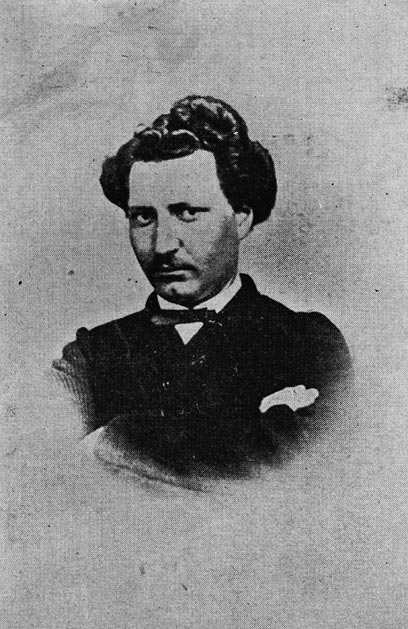
The man most responsible for pushing Ottawa toward provincial status does not appear on either province’s list of founding premiers. Frederick W.A.G. Haultain had served as premier of the North-West Territories since 1897 and spent years pressing the federal government for full provincial status and a fair funding formula, according to the Encyclopedia of Saskatchewan. Haultain wanted a single large western province rather than two, believing one unit would carry more weight in Ottawa. Laurier’s government disagreed and split the territory instead. Haultain also refused to soften his opposition to the bills’ land and education clauses, and had aligned himself with the federal Conservatives in the 1904 election — a move Laurier reportedly read as partisan. When the two provinces were inaugurated, Haultain, the politician who had built the case for their existence, was passed over for premier and lieutenant-governor of both. He spent the rest of his career as leader of the opposition in Saskatchewan.
The other lasting asterisk on 1905 involves land and money. Unlike Ontario, Quebec, and the Maritime provinces, Alberta and Saskatchewan did not receive control over their own Crown lands and natural resources when they joined Confederation. Ottawa kept that authority, arguing the resources were needed to fund continued settlement and railway construction across the West, according to the Canadian Encyclopedia’s entry on the Natural Resources Transfer Acts. That arrangement lasted 25 years. Only in 1930, after negotiations that ran from 1925 to 1929, did Ottawa transfer resource jurisdiction to Alberta, Saskatchewan, and Manitoba on the same terms already enjoyed by other provinces.
The 1905 settlement still echoes in prairie politics. Alberta’s recurring arguments about federal overreach into provincial jurisdiction — most visibly in disputes over energy and resource policy — trace back to a founding grievance: the province spent a quarter-century as a Confederation partner without full control of what was under its own ground. Saskatchewan’s political culture carries a similar memory, one CBC News has described as a “continuing sensitivity” over provincial resource control that dates directly to how the province was born.
Sources vary on some secondary details of the story, but Library and Archives Canada, the Canadian Encyclopedia, and the Encyclopedia of Saskatchewan agree on the core facts: two provinces created on September 1, 1905, a premier’s political career sacrificed in the process, and a resource-control dispute that took another quarter-century to resolve.
Follow Canada News Media
Get the day's top Canadian stories and our two daily 60-second news videos wherever you scroll.