

The Saskatoon Tribal Council and the federal government signed a $269-million, seven-year agreement on Oct. 7 to reform child and family services for seven First Nations in Saskatchewan, the first deal of its kind outside Ontario, according to Indigenous Services Canada.
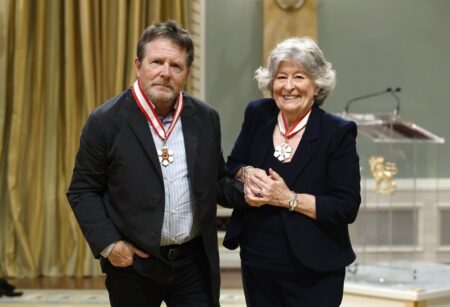
Tribal Chief Mark Arcand and Indigenous Services Minister Mandy Gull-Masty signed the regional agreement, named Māmowōhkamātowin, a Cree word meaning “working together,” at a news conference in Saskatoon, the department said.
The seven participating nations are Kinistin Saulteaux Nation, Muskeg Lake Cree Nation, One Arrow First Nation, Yellow Quill First Nation, Mistawasis Nehiyawak First Nation, Muskoday First Nation and Whitecap Dakota Nation.
Global News reported that $190 million of the total goes directly to the communities for programming, while $79 million goes to a family service agency. Indigenous Services Canada said the money is meant to be stable, predictable and flexible.
It can pay for prevention and housing supports, First Nation representative services for families in the child welfare system, and capital projects such as building or renovating service facilities. It also covers supports for youth leaving care and young adults moving toward independence.
Saskatoon Tribal Council Health and Family Services Inc., a delegated child and family services agency, will coordinate programs and service delivery, the department said. Implementation will follow the nations’ own priorities.
“Today is another significant milestone for the seven nations,” Arcand said, according to Global News. He also said: “We don’t want to see our children, our grandchildren, in addictions.”
Gull-Masty said the government is “targeting systemic change to ensure there are fewer children in care, ideally none,” Global News reported. In the department’s release, she said: “First Nations know what their children and families need to thrive.”
The deal comes out of a long fight over how Canada funds child welfare on reserve. In 2016, the Canadian Human Rights Tribunal found that the federal First Nations Child and Family Services Program discriminated against First Nations children and families, and ordered long-term reform.
The first completed regional agreement under that reform was in Ontario. The tribunal approved the Ontario Final Agreement on March 30, 2026, after nearly a decade of negotiations, according to law firm Olthuis Kleer Townshend, which acted in the process. Under that deal, First Nations decide how to allocate funding across key services, including prevention.
The Saskatoon agreement is the first regional agreement under Canada’s proposed approach to long-term reform of the program outside Ontario, Indigenous Services Canada said. It gives the seven nations more control over how money is spent, rather than leaving those choices to federal program rules.
Several questions remain. Neither source reviewed by Canada News Media said how many children and families the money will serve, or how the funding compares with what the nations received before. Canada News Media has not seen the full agreement text, so details on accountability measures, reporting and what happens after the seven years end are not confirmed. The story is developing.
For the many First Nations in Saskatchewan and across the Prairies that are not part of the Saskatoon Tribal Council, the question is whether similar regional agreements will follow, and on what timeline. Indigenous Services Canada has not said, in the material reviewed, which regions are next.
The agreement also puts a spotlight on a basic measure of success. Gull-Masty has said the goal is fewer children in care. Whether that happens will depend on how prevention money is used on the ground and whether housing supports reach families before a crisis.
If you find reporting like this useful, consider supporting Canada News Media, an independent Canadian newsroom with no corporate parent.
Via Global News and Indigenous Services Canada: Global News, Indigenous Services Canada release. Ontario background: Olthuis Kleer Townshend.
Follow Canada News Media
Get the day's top Canadian stories and our two daily 60-second news videos wherever you scroll.