



The U.S. Senate passed a bipartisan bill on Thursday, Nov. 19, 2026, by a vote of 62 to 33 that would shorten federal permitting reviews for power plants, transmission lines and other energy projects and require data centres to pay for the energy they use.
It is the first major action by Congress since the midterm elections. The Senate’s own roll call record lists the vote (No. 270) as passage of H.R. 2347, the House bill that senators used as the vehicle, as amended by a substitute from Republican Sen. Shelley Moore Capito. The measure, called the Bipartisan American Affordability and Jobs Act of 2026, now goes back to the House, which passed a narrower, industry-friendly bill last year, The Associated Press reported.
Fifteen Democrats, including Senate Minority Leader Chuck Schumer, voted yes. Republican Sens. Josh Hawley of Missouri and Mike Rounds of South Dakota voted no. The Senate had advanced the bill 73-25 on Nov. 9, according to the same roll call record, as we reported in our earlier story on the Senate permitting bill’s first test.
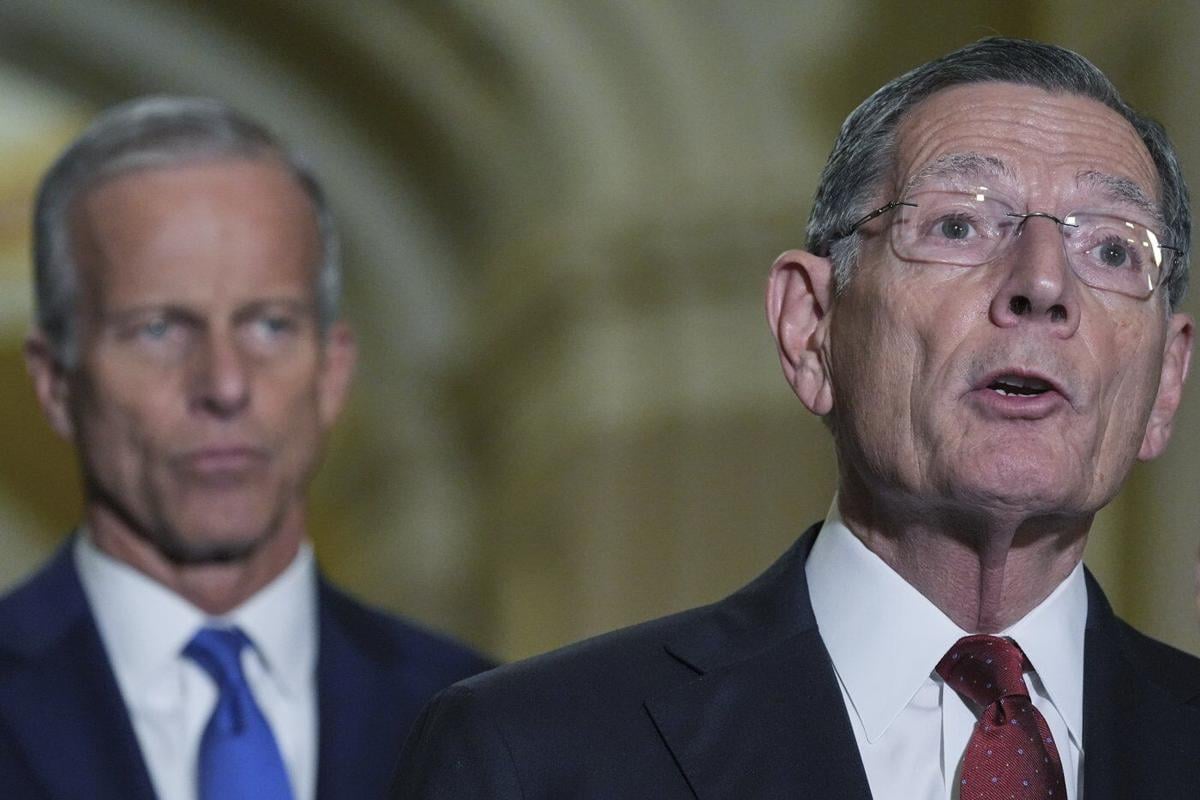
The bill would change how several environmental laws apply to energy projects, including the National Environmental Policy Act, the Clean Water Act and the Endangered Species Act, and would limit judicial review of approvals. Supporters say reviews that now often take five years or more are driving up costs. Sen. John Barrasso, R-Wyo., the No. 2 Republican, said that “it takes too long and costs too much to build” in the United States. Sen. Mike Lee, R-Utah, one of four senators who negotiated the deal, said it would “make it easier to build in America again.” President Donald Trump urged the Senate to approve it, calling it a “BIG WIN for U.S. ENERGY INDEPENDENCE and DOMINANCE.”
Sen. Sheldon Whitehouse, D-R.I., another negotiator, called the bill “the floor, not the ceiling” of Democrats’ climate ambitions. Other Democrats and several environmental groups oppose it. Sen. Jeff Merkley, D-Ore., said it would promote burning more fossil fuels and that sponsors had broken promises of a robust amendment process. Sen. Maria Cantwell, D-Wash., said the bill was rushed and would weaken protections for tribal nations, water and wildlife. The Environmental Integrity Project called it a gift to polluters. Industry groups representing clean energy developers and oil and gas companies back the bill.
The data centre provision reflects public anger over rising electricity bills and the power demands of artificial intelligence facilities, a theme in the midterm campaigns, AP reported. A Merkley-Wyden amendment to ban data centres on public lands did not get a vote, because no amendments from rank-and-file senators were adopted.
For Canadians, the stakes are in energy trade. Canada is the largest foreign supplier of crude oil to the United States, and faster approvals for pipelines, LNG terminals and transmission lines on the U.S. side could affect demand for Canadian energy. The reports we reviewed do not describe provisions aimed specifically at Canadian projects, so the practical effect on Canadian exporters will depend on the final text.
What happens next: the House must pass the Senate version or negotiate changes before the bill can reach the president. No House vote date has been announced.
Sources: U.S. Senate roll call votes, 119th Congress, 2nd session, Nov. 9 and Nov. 19, 2026; The Associated Press, Nov. 19, 2026, via The Canadian Press.
If you find reporting like this useful, consider supporting Canada News Media, an independently owned Canadian newsroom.
Follow Canada News Media
Get the day's top Canadian stories and our two daily 60-second news videos wherever you scroll.
X Threads Facebook Instagram LinkedIn TikTok YouTube Pinterest Reddit Substack Flipboard Newsletter RSS